Category Physics

The Coolest LEGO in the universe

the Lego
The LEGO ® figure and block used in the experiment

For the first time, LEGO has been cooled to the lowest temperature possible in an experiment which reveals a new use for the popular toy. Its special properties mean it could be useful in the development of quantum computing.

A world leading team of ultra-low temperature physicists at Lancaster University decided to place a LEGO figure and four LEGO blocks inside their record-breaking dilution refrigerator.

This machine – specially made at the University – is the most effective refrigerator in the world, capable of reaching 1.6 millidegrees above absolute zero (minus 273.15 Centigrade), which is about 200,000 times colder than room temperature and 2,000 times colder than deep space.

The results – published in the journal Scientific R...

Read More
Researchers produce First Laser Ultrasound Images of Humans

A new ultrasound technique uses lasers to produce images beneath the skin, without making contact with the skin as conventional ultrasound probes do. The new laser ultrasound technique was used to produce an image (left) of a human forearm (above), which was also imaged using conventional ultrasound (right).
Image courtesy of the researchers

Technique may help remotely image and assess health of infants, burn victims, and accident survivors in hard-to-reach place...

Read More

Solar Power from ‘the dark side’ Unlocked by a new formula

alam-triangle
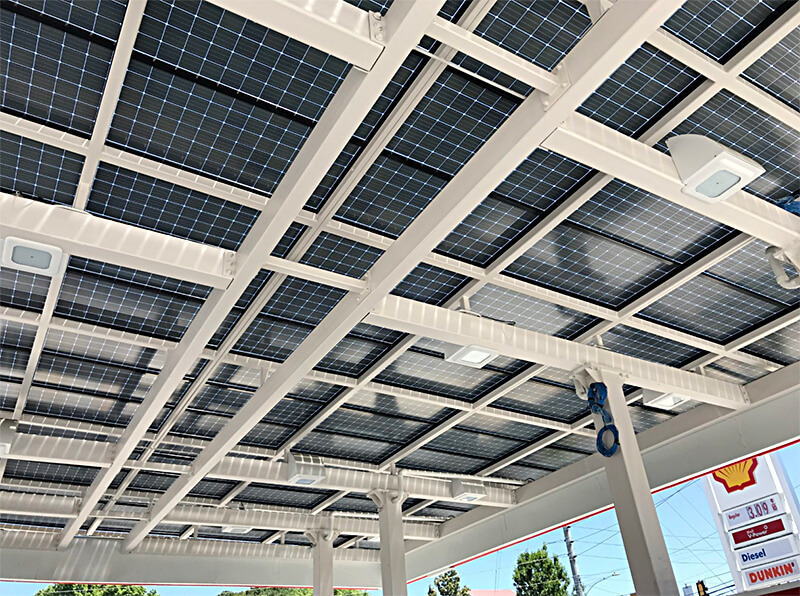
Companies are moving toward installing more double-sided solar panels, such as this one functioning as the canopy of a Shell gas station in Atlanta, Georgia. A new formula reveals exactly how much more electricity double-sided panels can generate compared to conventional single-sided panels, helping to better inform how the panels are designed. (Lumos Solar photo)

Engineers calculate the ultimate potential of next-generation solar panels. Most of today’s solar panels capture sunlight and convert it to electricity only from the side facing the sky. If the dark underside of a solar panel could also convert sunlight reflected off the ground, even more electricity might be generated.

Double-sided solar cells are already enabling panels to sit vertically on land or rooftops and even ho...

Read More

Creating a Nanoscale On-Off Switch for Heat

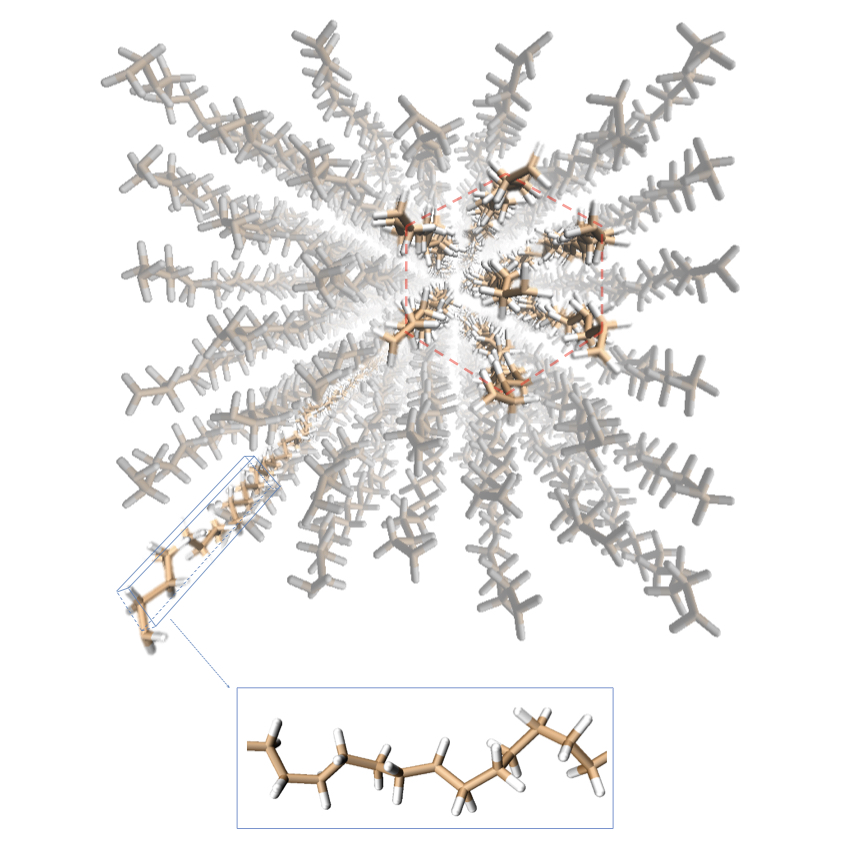
Microscopic view of a highly-ordered crystalline structure
Source: College of Engineering
Research assistant Wei Gong, master’s student Xiao Luo, and Associate Professor Sheng Shen of the Department of Mechanical Engineering at Carnegie Mellon University.

Researchers create a polymer thermal regulator that can quickly transform from a conductor to an insulator, and back again. This control of heat flow at the nanoscale opens up new possibilities in developing switchable thermal devices, solid-state refrigeration, waste heat scavenging, thermal circuits, and computing. This is the first time that this work has been demonstrated experimentally.

Polymers are used to develop various materials, such as plastics, nylons, and rubbers...

Read More