
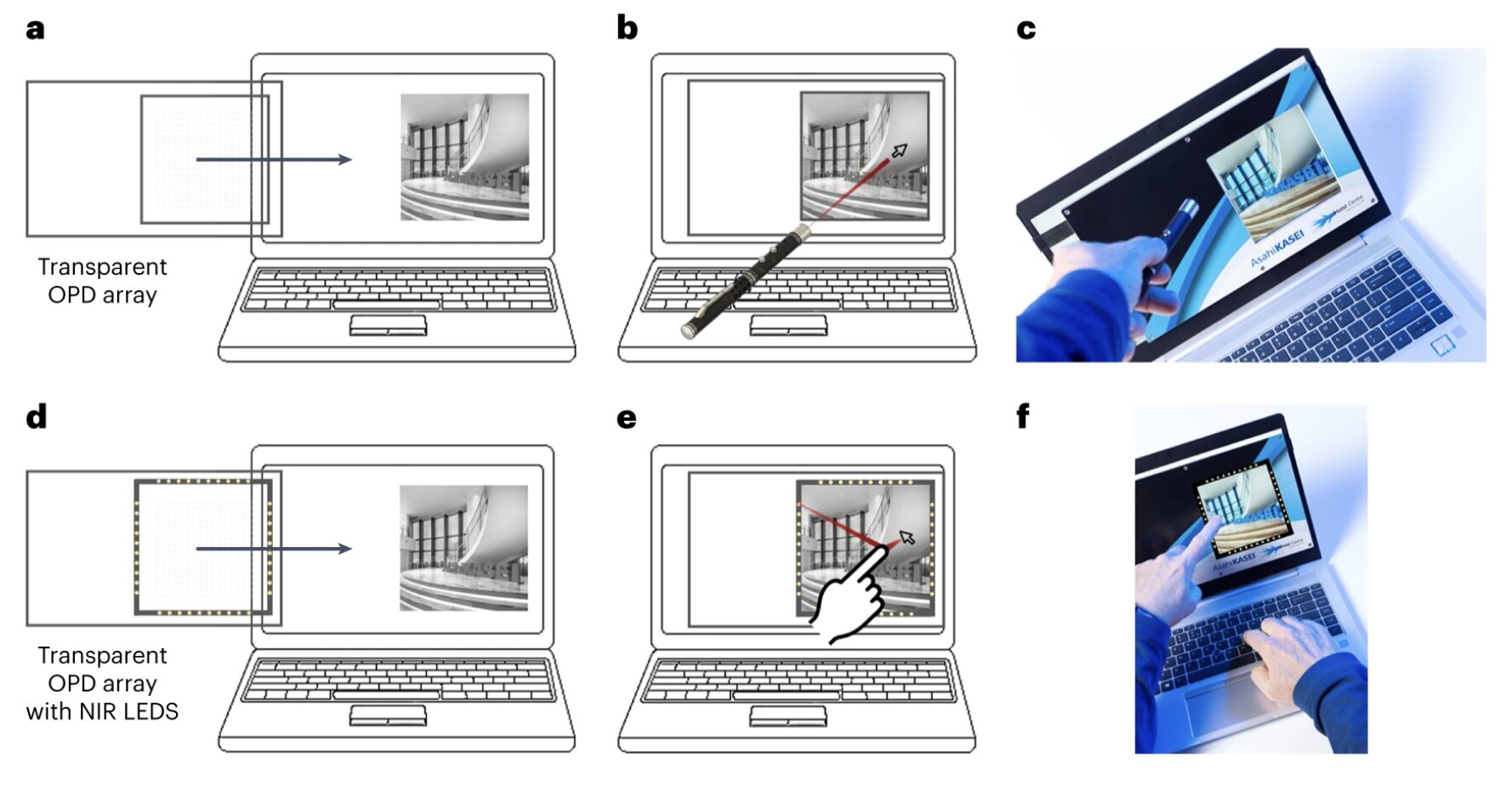
Most existing devices are operated via the sense of touch,...
Read More

July 18, 2023,
 Physics, Technology/Electronics
Most existing devices are operated via the sense of touch,...
Read More
July 15, 2023,
Physics, Technology/Electronics

A University of Minnesota Twin Cities team has, for the first time, synthesized a thin film of a unique topological semimetal material that has the potential to generate more computing power and memory storage while using significantly less energy. The researchers were also able to closely study the material, leading to some important findings about the physics behind its unique properties.
The study is published in Nature Communications.
As evidenced by the United States’ recent CHIPS and Science Act, there is a ...
Read More
July 13, 2023,
Physics, Technology/Electronics

When an electric vehicle is parked outside, its temperature can swing wildly from day to night and season to season, which can lead to deterioration of the battery. To dampen these fluctuations and extend the battery’s lifespan, researchers have designed an all-season thermal cloak that can cool an electric vehicle by 8°C on a hot day and warm it by 6.8°C at night...
Read More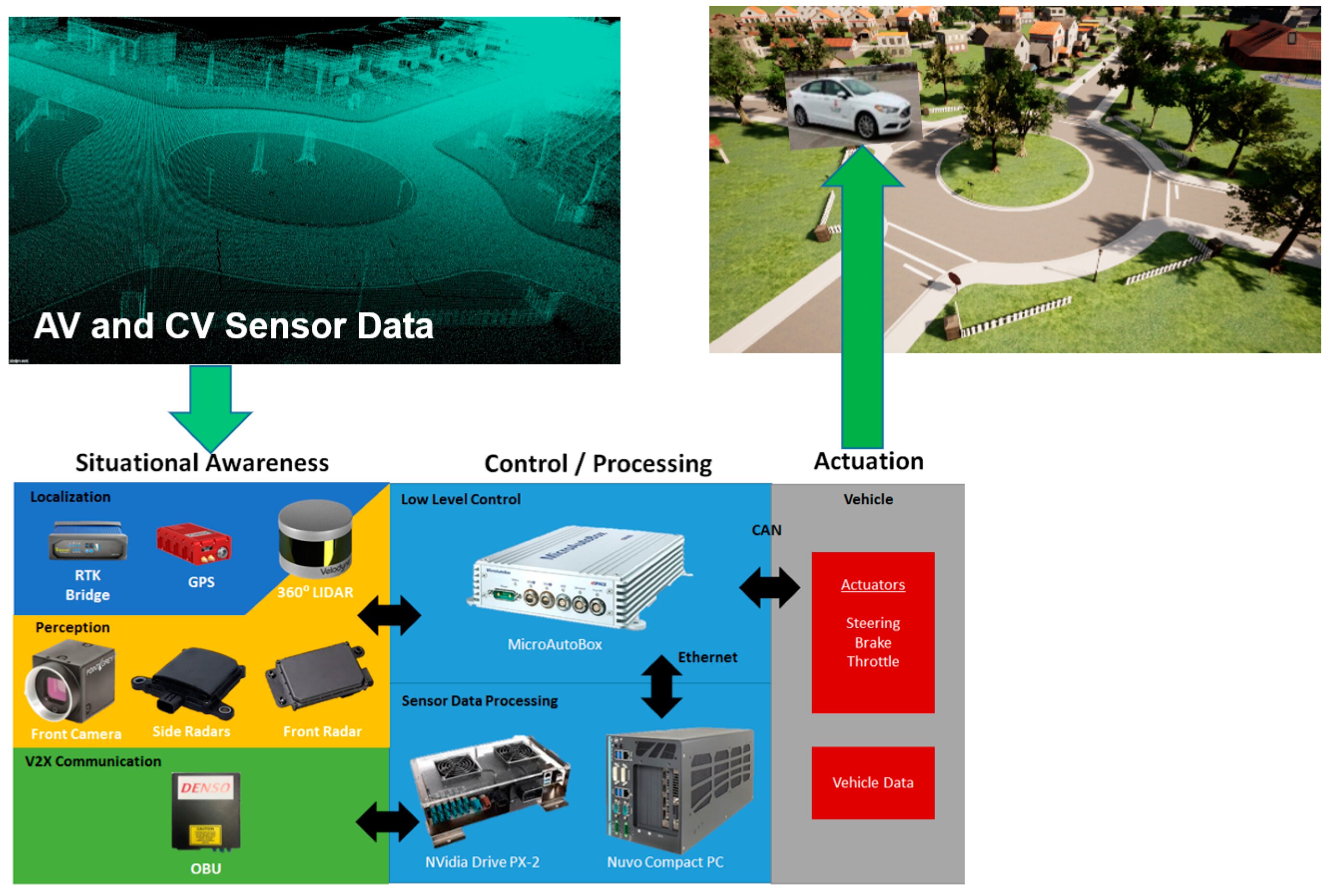
In an empty parking lot, a car ‘thinks’ it is on a real road.
Researchers at The Ohio State University have developed new software to aid in the development, evaluation and demonstration of safer autonomous, or driverless, vehicles.
Called the Vehicle-in-Virtual-Environment (VVE) method, it allows the testing of driverless cars in a perfectly safe environment, said Bilin Aksun-Guvenc, co-author of the study and a professor of mechanical and aerospace engineering at Ohio State.
Imagine a driverless car is placed in the middle of an empty parking lot...
Read More
Recent Comments