


- Machine learning detects bacterial invasion and DNA damage in human cells
- Earth and Mars: Built from different cosmic recipes
- A molecular switch syncs fat burning to the body clock, our diet and the temperature around us
- Ions help electrons hop through porous material with potential for brain-inspired computing
Category Technology/Electronics
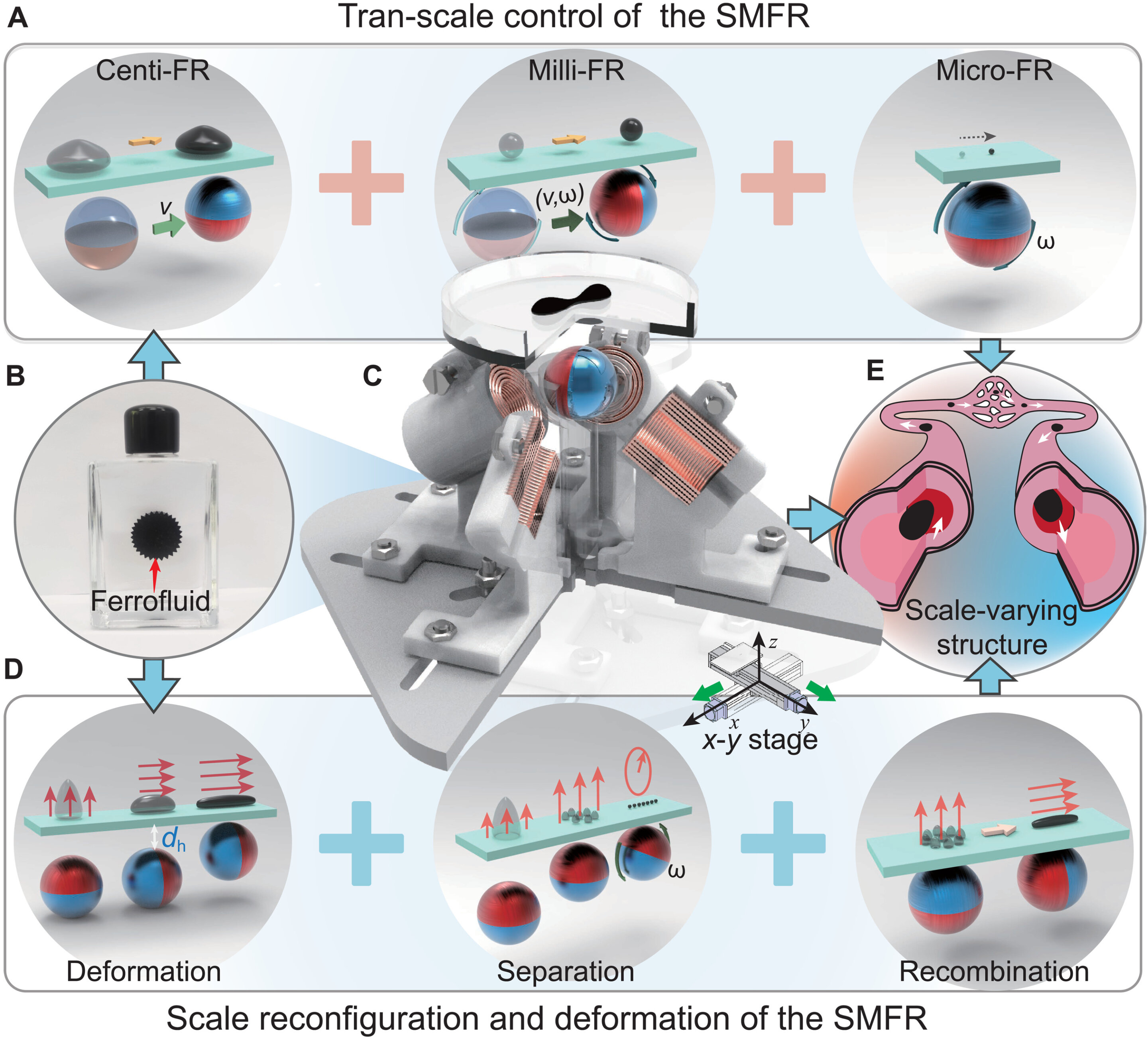
Tiny Soft Robot can Split into Tinier Bits then Reassemble after Passage Through Small Spaces
September 21, 2022,
 Physics, Technology/Electronics
Physicists Generate New Nanoscale Spin Waves
September 16, 2022,
Physics, Technology/Electronics
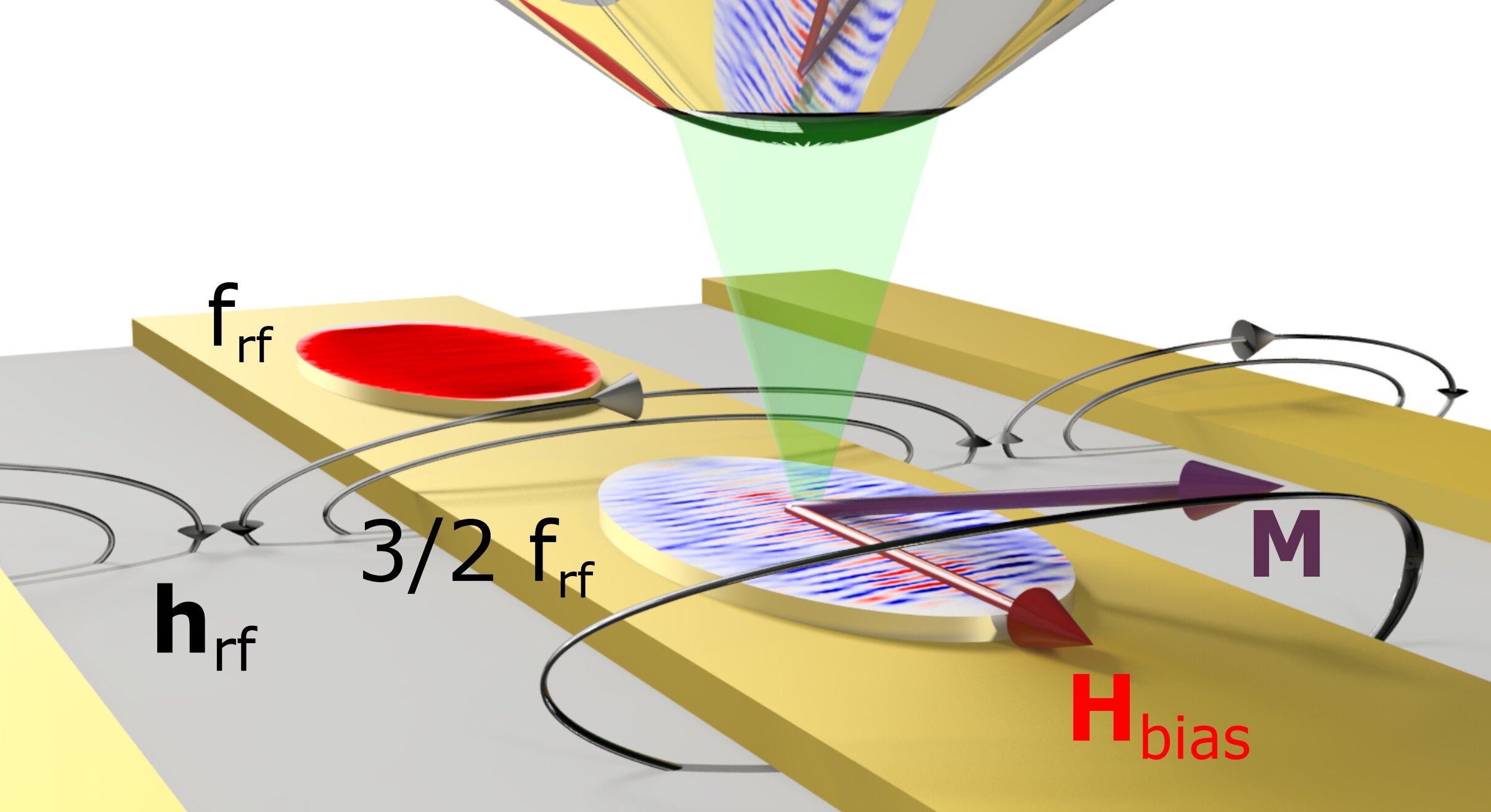
Strong alternating magnetic fields can be used to generate a new type of spin wave that was previously just theoretically predicted. This was achieved for the first time by a team of physicists from Martin Luther University Halle-Wittenberg (MLU). They report on their work in the scientific journal Nature Communications and provide the first microscopic images of these spin waves.
The basic idea of spintronics is to use a special property of electrons – spin – for various electronic applications such as data and information technology. The Spin is the intrinsic angular momentum of electrons that produces a magnetic moment...
Read MoreThe Laser Breakthrough that could make Tech even Faster
September 14, 2022,
Physics, Technology/Electronics
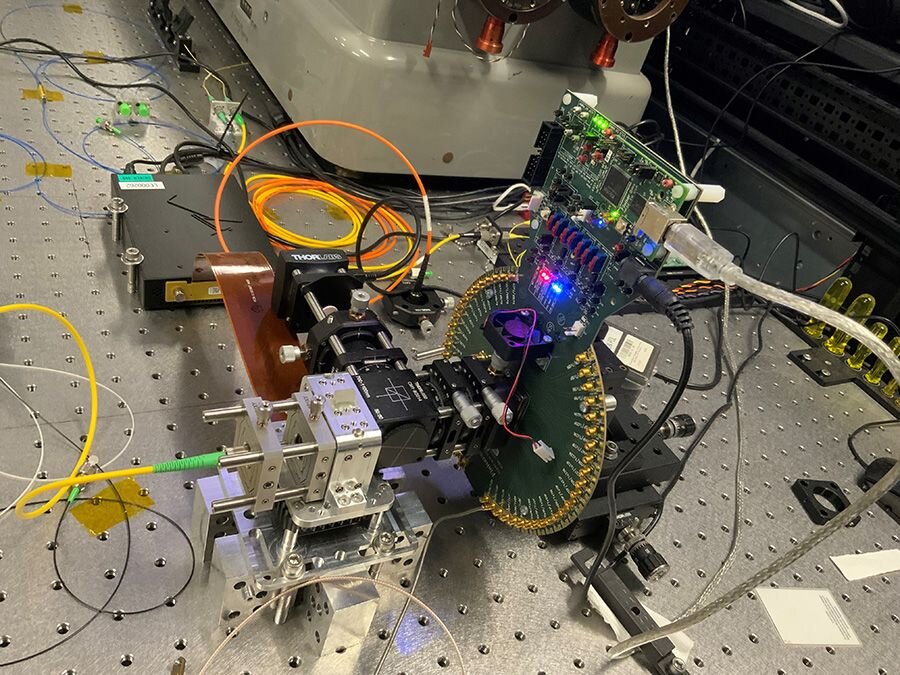
Lasers have become a major part of our day-to-day lives. From phones and tablets to self-driving cars and data communication—even the information you’re reading right now is likely being delivered to you via lasers.
The technology’s applications are so broad even the researchers who deal with lasers daily are continuously amazed.
Among them is University of Queensland Research Fellow Dr. Martin Plöschner from the School of Information Technology and Electrical Engineering (ITEE).
“I’ve been working with lasers for the past 15 years and yet I’m often surprised to find them in the most unexpected places,” Dr. Plöschner said.
“In many of their applications, lasers operate in part of the spectrum which is...
Read MoreThrough the Quantum Looking Glass
September 13, 2022,
Physics, Technology/Electronics

A thin device triggers one of quantum mechanics’ strangest and most useful phenomena. An ultrathin invention could make future computing, sensing and encryption technologies remarkably smaller and more powerful by helping scientists control a strange but useful phenomenon of quantum mechanics, according to new research recently published in the journal Science.
Scientists at Sandia National Laboratories and the Max Planck Institute for the...
Read More
Recent Comments