Category Technology/Electronics

Graphene and an Intense Laser open the door to the extreme


A research team has developed a large-area suspended graphene and irradiated the thinnest graphene target with an ultra-intense laser to realize high-energy ion acceleration. Their findings will be applied to the development of compact, efficient ion accelerators used for cancer treatment, nuclear fusion and so on.

Laser-driven ion acceleration has been studied to develop a compact and efficient plasma-based accelerator, which is applicable to cancer therapy, nuclear fusion, and high energy physics...

Read More

Liquid Electronics: Wrapping droplets in graphene for printed microchips and wearable sensors

Graphene-wrapped emulsion droplets deposited onto electrodes for single-droplet thin-film electronic devices

New research from physicists at the University of Sussex will ‘significantly advance’ the new technology area of liquid electronics, enhancing the functionality and sustainability of potential applications in printed electronics, wearable health monitors and even batteries.

In their research paper published in ACS Nano, the Sussex scientists have built on their previous work to wrap emulsion droplets with graphene and other 2D materials by reducing the coatings down to atomically-thin nanosheet layers. In doing so they were able to create electrically-conducting liquid emulsions that are the lowest-loading graphene networks ever reported — just 0.001 vol%.

This means that ...

Read More

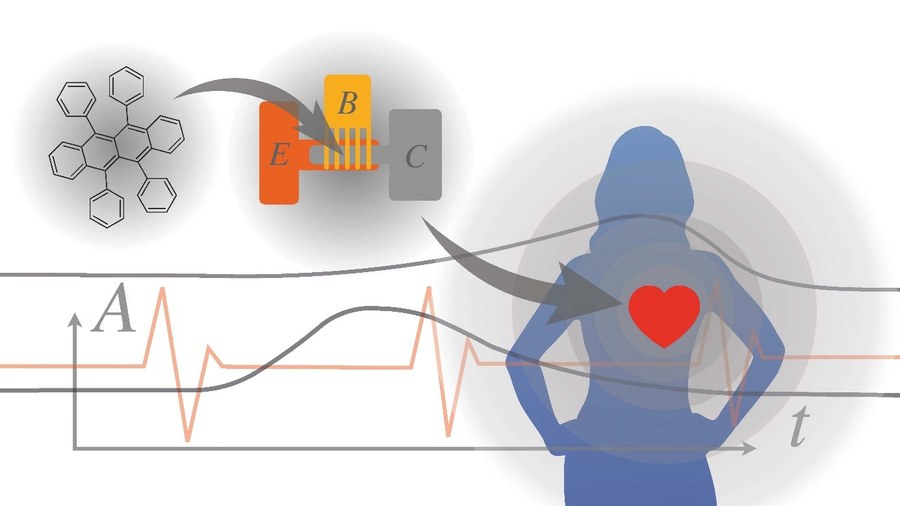
Researchers Create Molecule that can pave way for Mini-Transistors

Illustration of of electrons transferred between aromatic and non-aromatic rings in a hydrocarbon molecule (Illustration: DANIEL STRAND/JONAS AHLSTEDT)

Researchers at Lund University in Sweden have succeeded in developing a simple hydrocarbon molecule with a logic gate function, similar to that in transistors, in a single molecule. The discovery could make electric components on a molecular scale possible in the future. The results are published in Nature Communications.

Manufacturing very small components is an important challenge in both research and development. One example is transistors – the smaller they are, the faster and more energy efficient our computers become...

Read More

Disorder-Engineered Inorganic Nanocrystals set a New Efficiency Record for Ultrathin Solar Cells

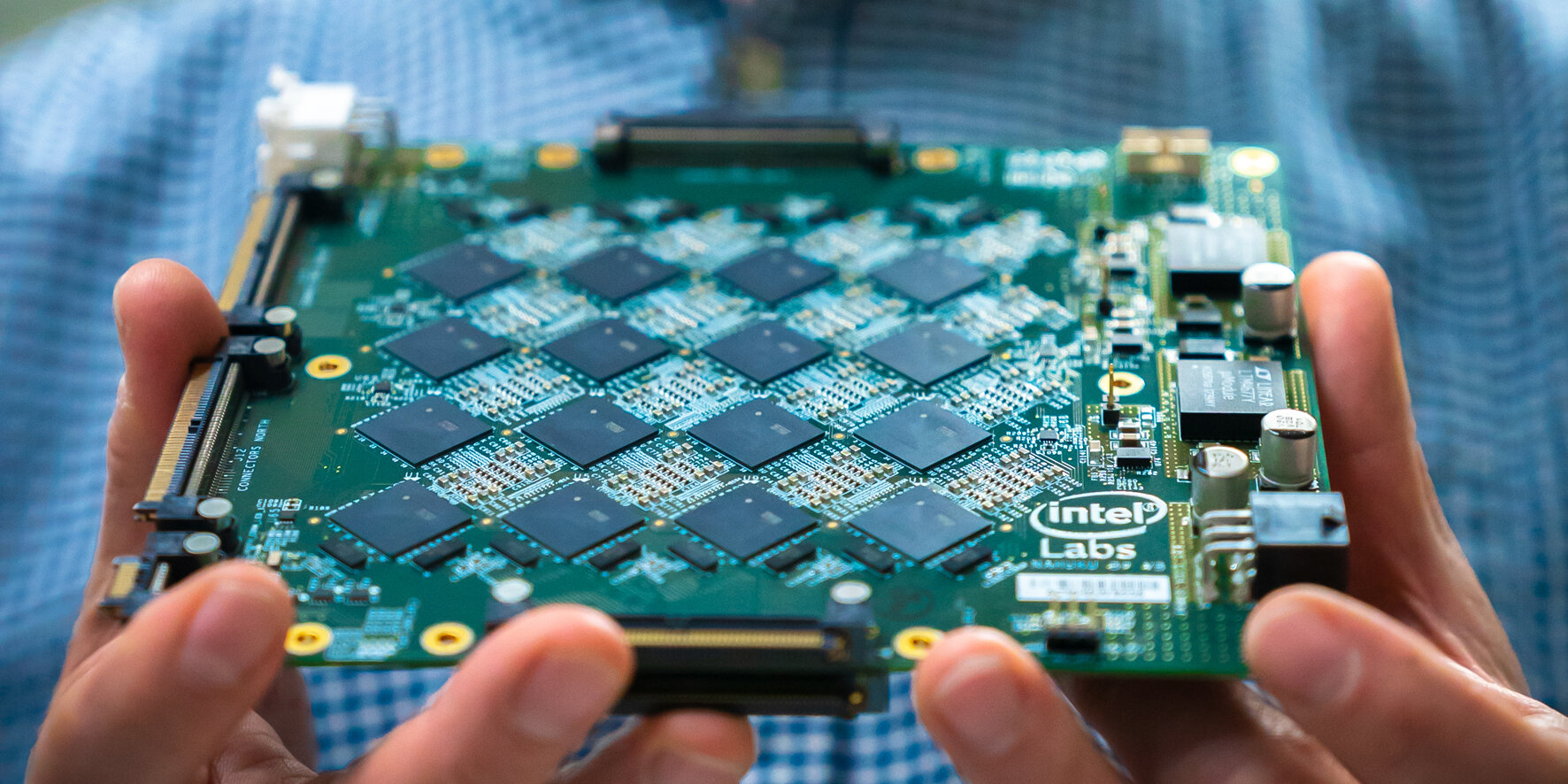
ICFO researcher Yongjie Wang holding the device in his hand with ICREA Prof. at ICFO Gerasimos Konstantatos in the back. ©ICFO

Displayed over roof tops and in solar farms, silicon-based solar cells are, so far, one of the most efficient systems in generating electricity from sunlight, but their fabrication can be expensive and energy demanding, aside from being heavy and bulky. The alternative solution of lower-cost thin film solar cells also brings the caveat of being mainly composed of toxic elements such as lead or cadmium, or containing scarce elements such as indium or tellurium.

In the search for new technologies for thin photovoltaic systems, solar cells based on AgBiS2 nanocrystals have emerged as a star player in the game, consisting of nontoxic, earth-abundant elements, p...

Read More