Category Technology/Electronics

New Molecular Device has unprecedented Reconfigurability reminiscent of Brain-Plasticity

Decision trees within a molecular memristor | Nature
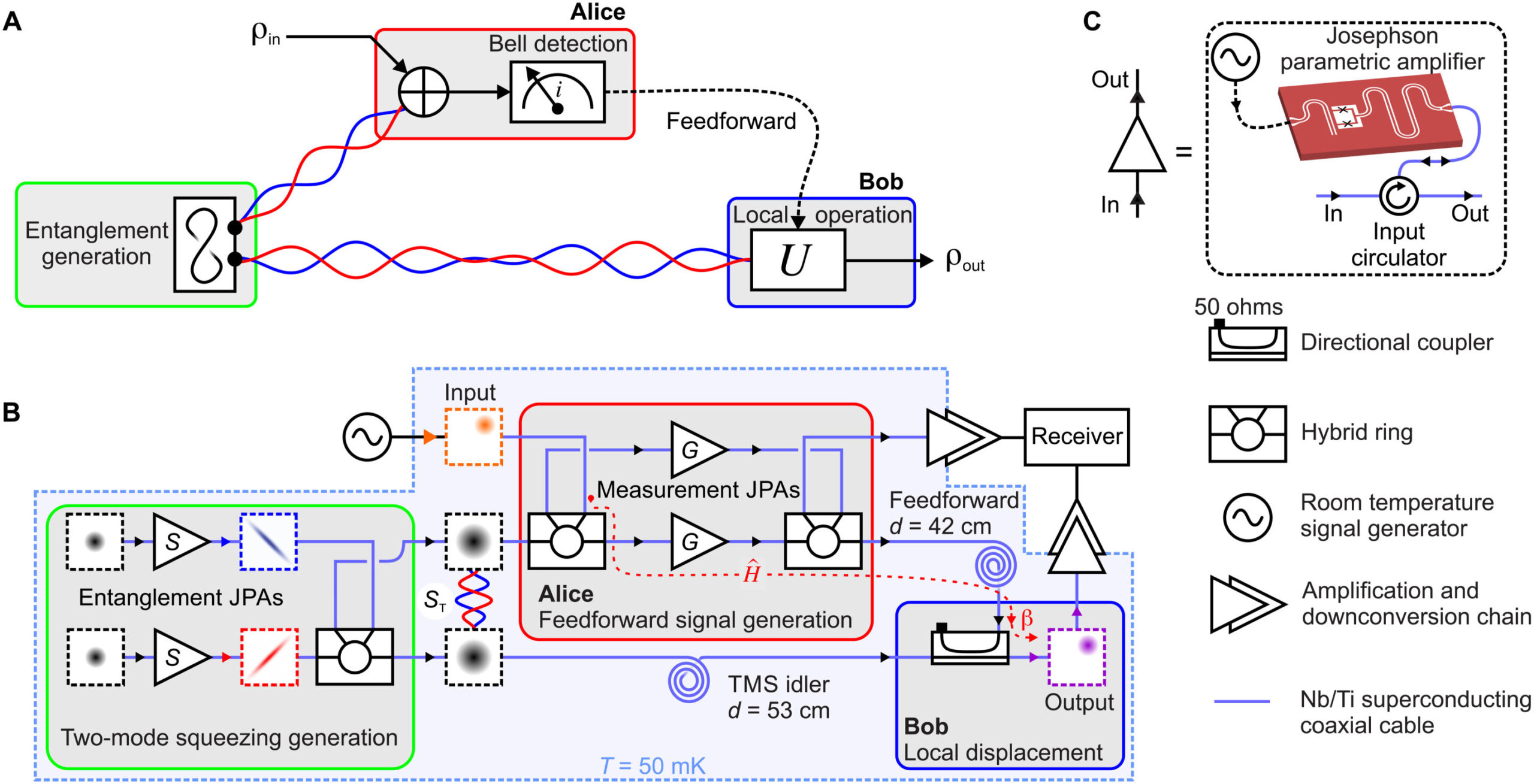
Fig. 1: Circuit element structure and I(V) characteristics

Device can be reconfigured multiple times simply by changing applied voltage. In a discovery published in the journal Nature, an international team of researchers has described a novel molecular device with exceptional computing prowess.

Reminiscent of the plasticity of connections in the human brain, the device can be reconfigured on the fly for different computational tasks by simply changing applied voltages. Furthermore, like nerve cells can store memories, the same device can also retain information for future retrieval and processing.

“The brain has the remarkable ability to change its wiring around by making and breaking connections between nerve cells...

Read More

Ferroelectrics everywhere? New family of ferroelectric materials Raises Possibilities for Improved Information and Energy Storage

Three images showing production of ferroelectric magnesium-substituted zinc oxide thin films
Part of the process of creating ferroelectric magnesium-substituted zinc oxide thin films include: (left) Image showing thin film being sputter-deposited from metal sources; (center) ferroelectric hysteresis loops of thin-film capacitors showing two remanent polarization states at zero field; (right) atomic force microscope image showing a smooth surface at the nanometer scale and a very fine-grained and fiber-textured microstructure.
 IMAGE: PENN STATE MATERIALS RESEARCH INSTITUTE

A new family of materials that could result in improved digital information storage and uses less energy may be possible thanks to a team of Penn State researchers who demonstrated ferroelectricity in magnesium-substituted zinc oxide.

Ferroelectric materials are spontaneous electricly polarized bcause nega...

Read More

Turning Thermal Energy into Electricity

With the addition of sensors and enhanced communication tools, providing lightweight, portable power has become even more challenging. Army-funded research demonstrated a new approach to turning thermal energy into electricity that could provide compact and efficient power for Soldiers on future battlefields.

Hot objects radiate light in the form of photons into their surroundings. The emitted photons can be captured by a photovoltaic cell and converted to useful electric energy. This approach to energy conversion is called far-field thermophotovoltaics, or FF-TPVs, and has been under development for many years; however, it suffers from low power density and therefore requires high operating temperatures of the emitter.

The research, conducted at the University of Michigan and p...

Read More

Promising Candidates revealed for Next-Generation LED-based Data Communications

LED_devices

A new paper from the University of Surrey and the University of Cambridge has detailed how two relatively unexplored semiconducting materials can satisfy the telecommunication industry’s hunger for enormous amounts of data at ever-greater speeds.

Light-emitting diode (LED)-based communications techniques allow computing devices, including mobile phones, to communicate with one another by using infrared light. However, LED techniques are underused because in its current state LED transmits data at far slower speeds than other wireless technologies such as light-fidelity (Li-Fi).

In a paper published by Nature Electronics, the researchers from Surrey and Cambridge, along with partners from the University of Electronic Science and Technology of China, examine how organic semicond...

Read More