
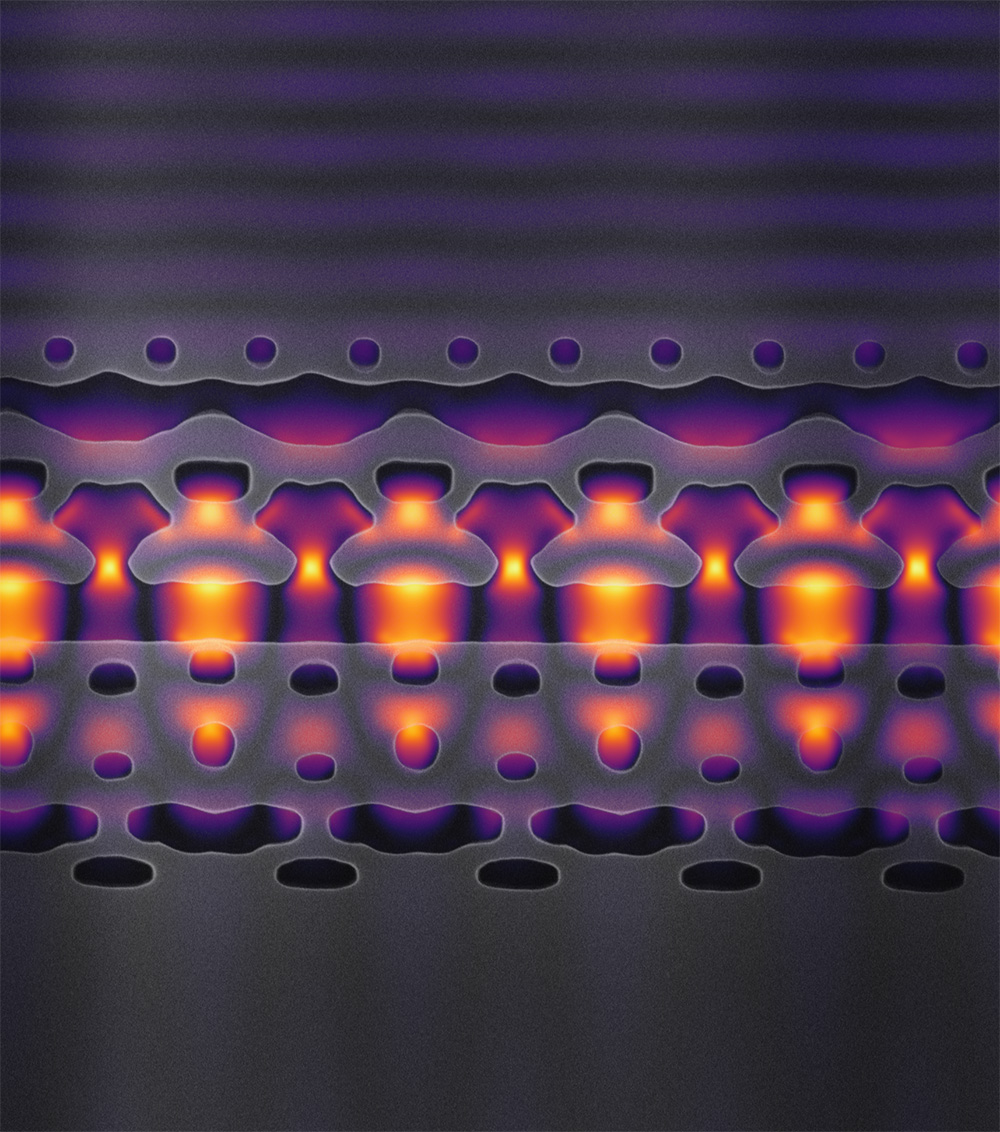
On a hillside above Stanford University, the SLAC National Accelerator Laboratory operates a scientific instrument nearly 2 miles long...
Read More

January 2, 2020,
 Physics, Technology/Electronics, Health/Medical
On a hillside above Stanford University, the SLAC National Accelerator Laboratory operates a scientific instrument nearly 2 miles long...
Read More
January 2, 2020,
Physics, Technology/Electronics
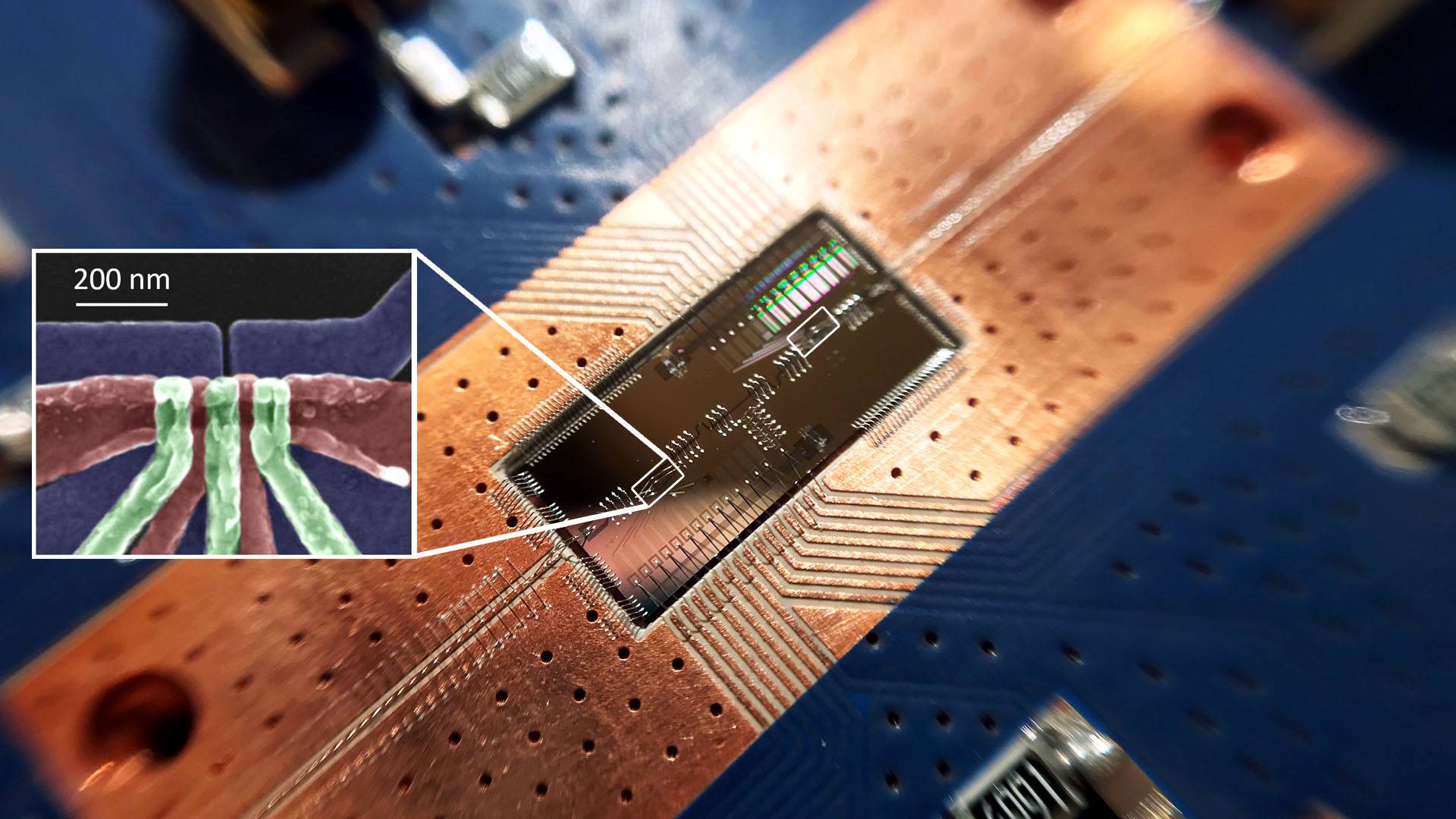
In an important step forward in the quest to build a quantum computer using silicon-based hardware, researchers have succeeded in making possible the exchange of information between two qubits located relatively far apart – about the length of a grain of rice, which is a considerable distance on a computer chip. Connecting two silicon qubits across this distance makes possible new and more complex silicon-based quantum computer circuits.
Imagine a world where people could only talk to their next-door ne...
Read More
January 1, 2020,
Physics, Technology/Electronics
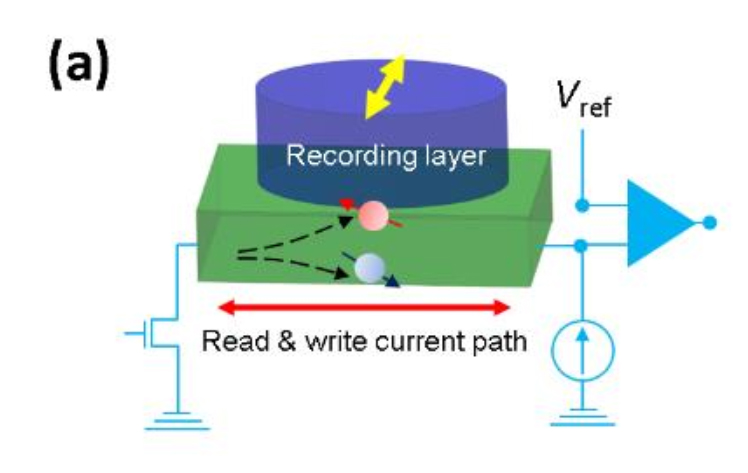
Scientists at Tokyo Institute of Technology (Tokyo Tech) explore a new material combination that sets the stage for magnetic random access memories, which rely on spin – an intrinsic property of electrons – and could outperform current storage devices...
Read More
December 30, 2019,
Physics, Technology/Electronics
A device that can separate and recombine pairs of electrons may offer a way to study an unusual form of superconductivity, according to RIKEN physicists. This superconducting state would involve exotic particles, Majorana fermions that could prove useful in developing quantum computers.
In conventional superconductors, electrical current flows with no resistance due to electrons teaming up to make ‘Cooper pairs’. A superconductor touching a normal conductor can sometimes induce superconductivity in that conductor through Cooper pairs from the superconductor penetrating the normal conductor.
Now, Sadashige Matsuo of the RIKEN Center for Emergent Matter Science and collea...
Read More
Recent Comments