
Category Technology/Electronics

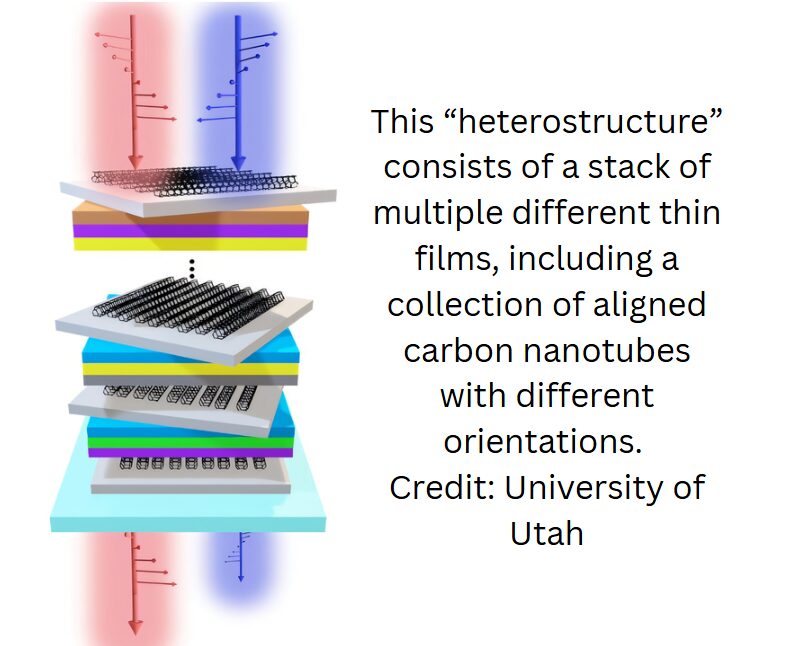
Twisting light for memory: New chiral photonic device enables real-time control of light polarization and data storage

As fast as modern electronics have become, they could be much faster if their operations were based on light, rather than electricity. Fiber optic cables already transport information at the speed of light; to do computations on that information without translating it back to electric signals will require a host of new optical components.

Researchers at the John and Marcia Price College of Engineering have now developed such a device: one that can be adjusted on the fly to give light different degrees of circular polarization. Because information can be stored in this chiral property of light, the researchers’ device could serve as a multifunctional, reconfigurable component of an optical computing system.

Led by Weilu Gao, assistant professor in the Department of Electrical & C...

Read More
‘Intercrystals’ pave the way for greener electronics and quantum technologies

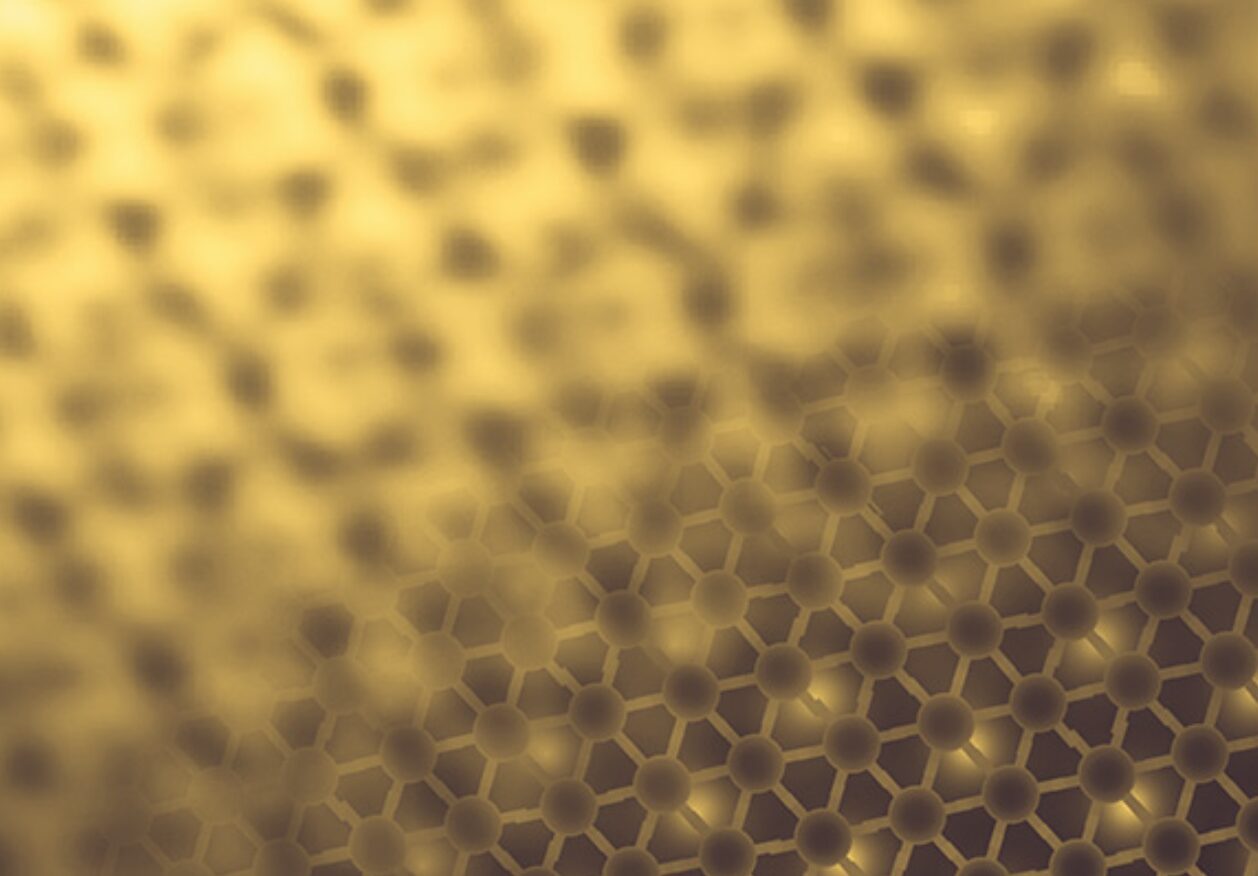
An intercrystal formed by overlaying twisted graphene on hexagonal boron nitride.
Andrei Lab

Rutgers University–New Brunswick researchers have discovered a new class of materials—called intercrystals—with unique electronic properties that could power future technologies.

Intercrystals exhibit newly discovered forms of electronic properties that could pave the way for advancements in more efficient electronic components, quantum computing and environmentally friendly materials, the scientists said.

As described in a report in the science journal Nature Materials, the scientists stacked two ultrathin layers of graphene, each a one-atom-thick sheet of carbon atoms arranged in a hexagonal grid...

Read More

Robots learning without us? New study cuts humans from early testing

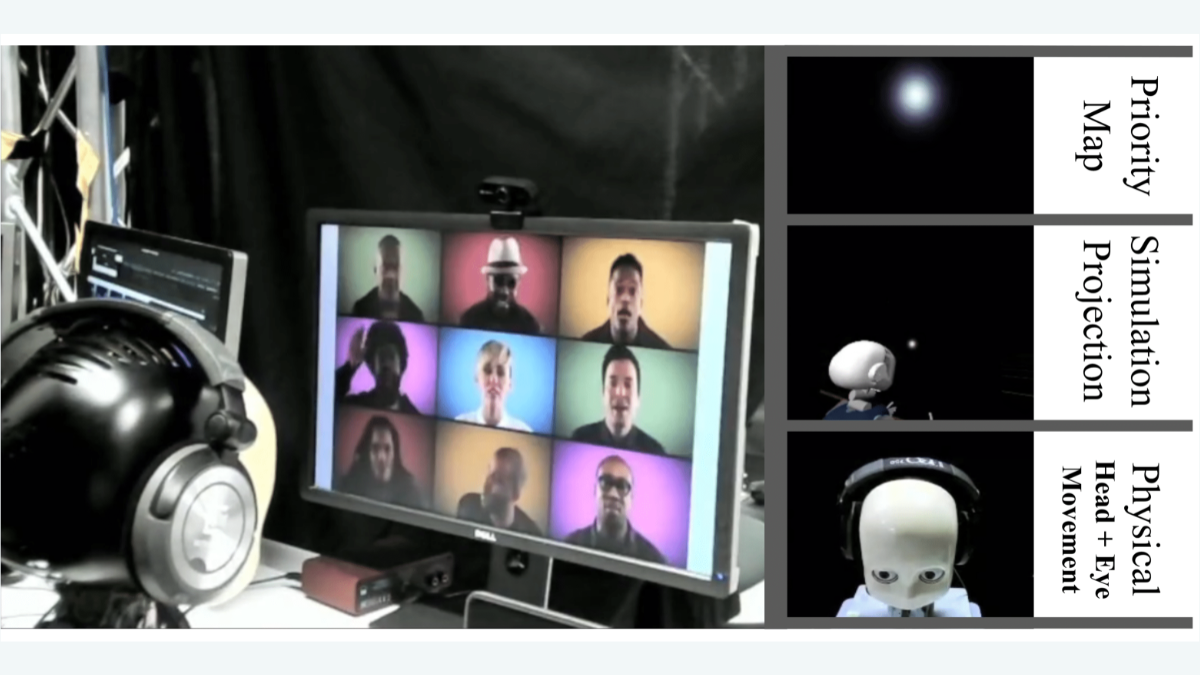
Humans no longer have exclusive control over training social robots to interact effectively, thanks to a new study from the University of Surrey and the University of Hamburg.

The study, which will be presented at this year’s IEEE International Conference on Robotics and Automation (ICRA), introduces a new simulation method that lets researchers test their social robots without needing human participants, making research faster and scalable.

Using a humanoid robot, the research team developed a dynamic scanpath prediction model to help the robot predict where a person would look in a social setting.

The model was tested using two publicly available datasets, and the researchers demonstrated that humanoid robots were capable of mimicking human-like eye movements.

Dr Di Fu, ...

Read More

Algorithm based on LLMs doubles lossless data compression rates

A powerful lossless data compression algorithm based on LLMs
Image comparing the lossless compression rates of LMCompress with the traditional state-of-the-art methods and the large-model-based method that was proposed independently by a DeepMind-Meta&INRIA team. The comparison is done on four types of data: image, video, audio, and text. It shows that LMCompress consistently outperforms the others on all data types. Note that the DeepMind result on video is not available. Credit: Li et al.

People store large quantities of data in their electronic devices and transfer some of this data to others, whether for professional or personal reasons. Data compression methods are thus of the utmost importance, as they can boost the efficiency of devices and communications, making users less reliant on cloud data services and external storage devices.

R...

Read More