Category Technology/Electronics

A New, Low-Cost, High-Efficiency Photonic Integrated Circuit

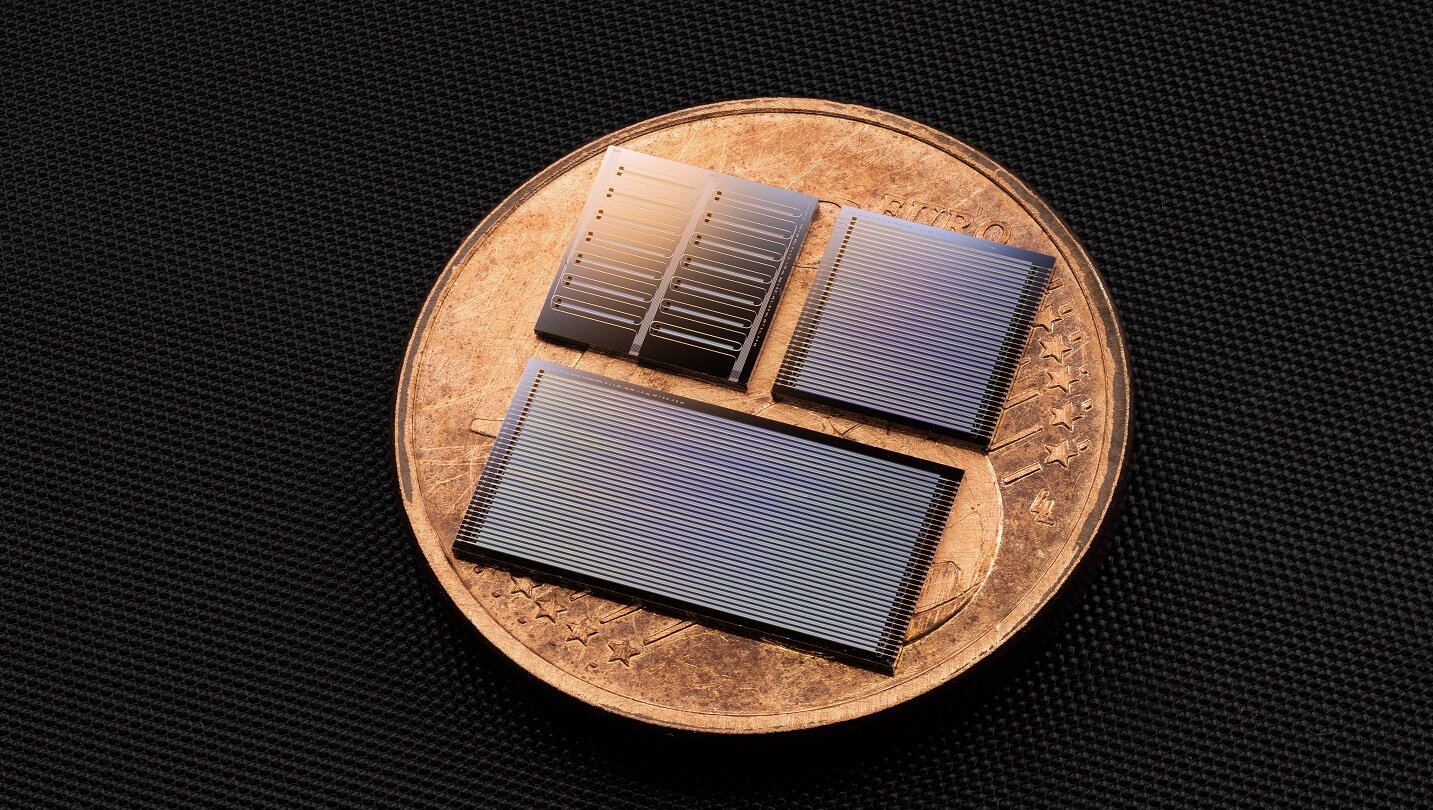
A new, low-cost, high-efficiency photonic integrated circuit

The rapid advancement in photonic integrated circuits (PICs), which combine multiple optical devices and functionalities on a single chip, has revolutionized optical communications and computing systems.

For decades, silicon-based PICs have dominated the field due to their cost-effectiveness and through their integration with existing semiconductor manufacturing technologies, despite their limitations with regard to their electro-optical modulation bandwidth. Nevertheless, silicon-on-insulator optical transceiver chips were successfully commercialized, driving information traffic through millions of glass fibers in modern data centers.

Recently, the lithium niobate-on-insulator wafer platform has emerged as a superior material for photonic integrated electro-optical modulators d...

Read More

Computer scientists discover Vulnerability in Cloud Server Hardware used by AMD and Intel Chips

cloud computing
Credit: Pixabay/CC0 Public Domain

Public cloud services employ special security technologies. Computer scientists at ETH Zurich have now discovered a gap in the latest security mechanisms used by AMD and Intel chips. This affects major cloud providers.

Over the past few years, hardware manufacturers have developed technologies that ought to make it possible for companies and governmental organizations to process sensitive data securely using shared cloud computing resources.

Known as confidential computing, this approach protects sensitive data while it is being processed by isolating it in an area that is impenetrable to other users and even to the cloud provider...

Read More

Stretchable E-Skin could give Robots Human-Level Touch Sensitivity

Stretchable e-skin could give robots human-level touch sensitivity
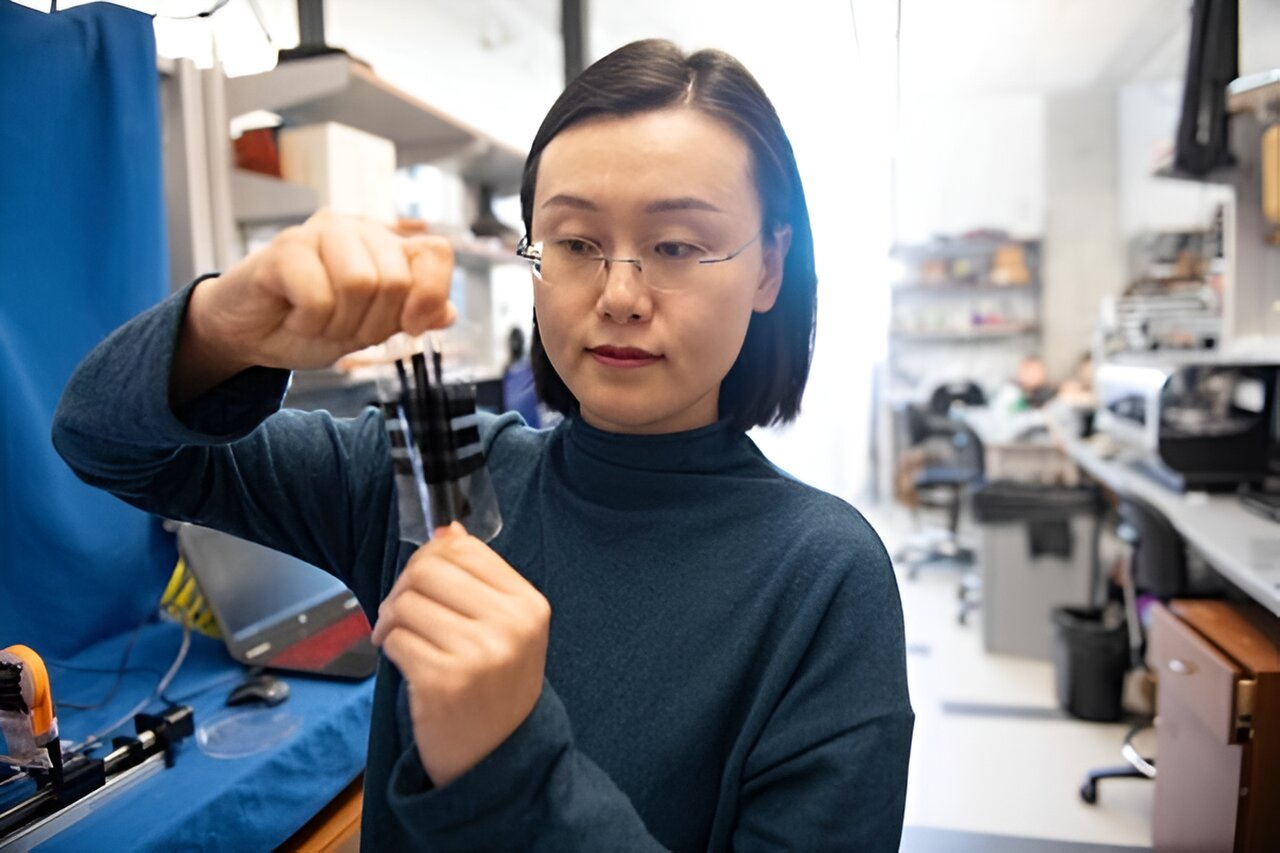
Nanshu Lu. Credit: University of Texas at Austin

A first-ever stretchy electronic skin could equip robots and other devices with the same softness and touch sensitivity as human skin, opening up new possibilities to perform tasks that require a great deal of precision and control of force.

The new stretchable e-skin, developed by researchers at The University of Texas at Austin, solves a major bottleneck in the emerging technology. Existing e-skin technology loses sensing accuracy as the material stretches, but that is not the case with this new version.

“Much like human skin has to stretch and bend to accommodate our movements, so too does e-skin,” said Nanshu Lu, a professor in the Cockrell School of Engineering’s Department of Aerospace Engineering and Engineering Mechanics wh...

Read More

Bacteria ‘Nanowires’ could help Develop Green Electronics

Bacteria 'nanowires' could help develop green electronics
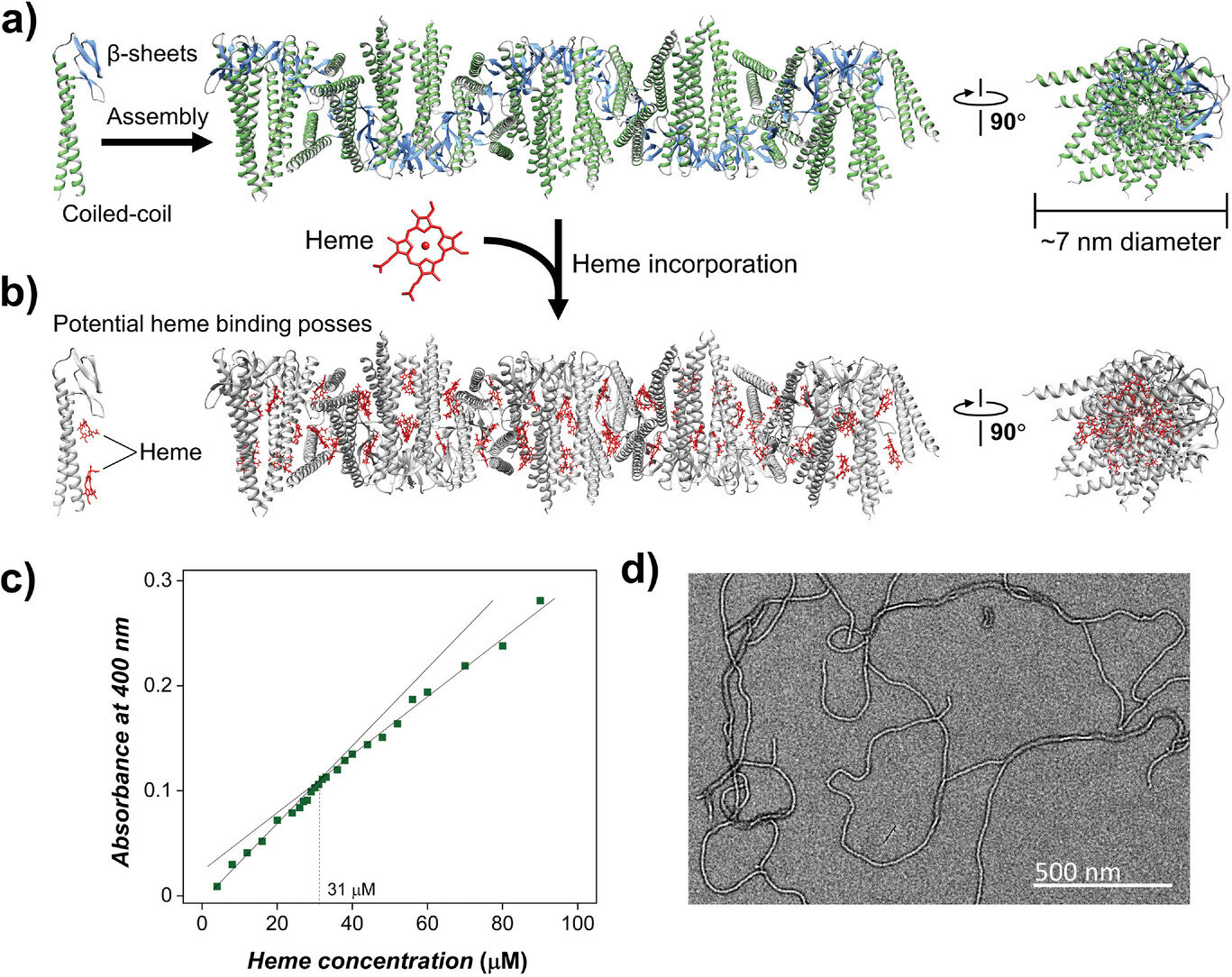
Structure of γPFD filaments and incorporation of heme to make conductive nanowires. a) Filament assembly of γPFD through β-sheet domains, and b) proposed binding of heme molecules to the coiled-coil domains to form γPFD-heme nanowires. c) Protein-ligand binding isotherm with 30 µm of γPFD and varying concentration of heme, which indicates a stochiometric ratio of ≈1 heme per γPFD subunit in filaments. d) TEM image of the γPFD-heme nanowires. Credit: Small (2024). DOI: 10.1002/smll.202311661

Engineered protein filaments originally produced by bacteria have been modified by scientists to conduct electricity...

Read More