
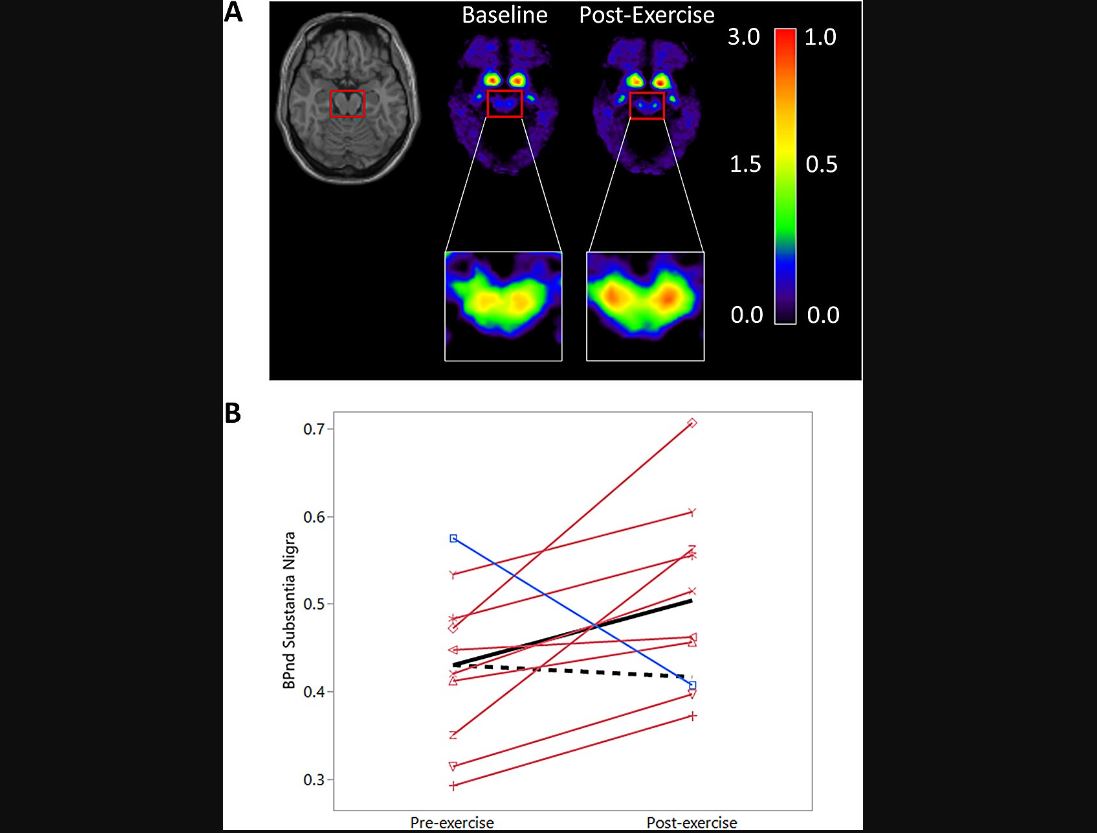
High-intensity exercise induces brain-protective effects that have the potential to not just slow down but possibly reverse the neurodegeneration associated with Parkinson’s disease, a new pilot ...
Read More

February 29, 2024,
 Uncategorized
High-intensity exercise induces brain-protective effects that have the potential to not just slow down but possibly reverse the neurodegeneration associated with Parkinson’s disease, a new pilot ...
Read More
February 29, 2024,
Uncategorized
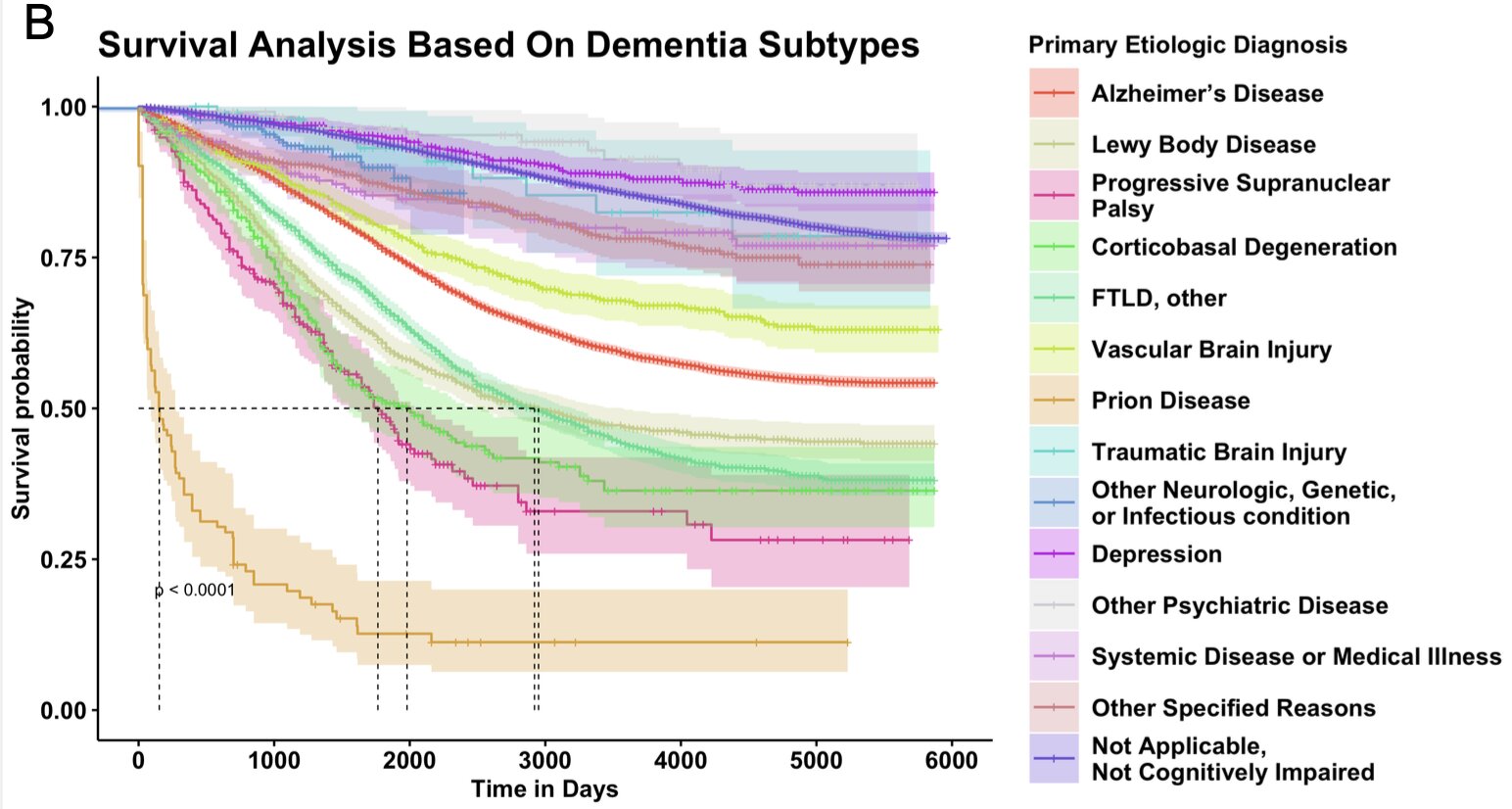
Researchers at the Icahn School of Medicine at Mount Sinai and others have harnessed the power of machine learning to identify key predictors of mortality in dementia patients.
The study, published in the February 28 online issue of Communications Medicine, addresses critical challenges in dementia care by pinpointing patients at high risk of near-term death and uncovers the factors that drive this risk.
Unlike previous studies that focused on diagnosing dementia, this research delves into predicting patient prognosis, shedding light on mortality risks and contributing factors in various kinds of dementia.
Dementia has emerged as a major cause of death in societies with increasin...
Read More
February 29, 2024,
Uncategorized
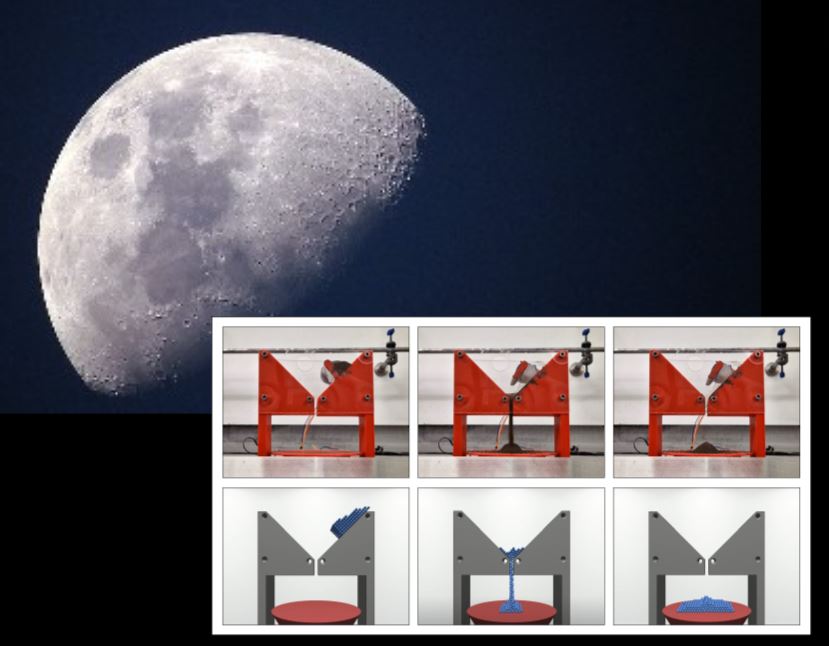
A new computer model mimics Moon dust so well that it could lead to smoother and safer Lunar robot teleoperations. The tool, developed by researchers at the University of Bristol and based at the Bristol Robotics Laboratory, could be used to train astronauts ahead of Lunar missions. Working with their industry partner, Thales Alenia Space in the UK, who has specific interest in creating working robotic systems for space applications, the team investigated a virtual version of regolith, another name for Moon dust.
Lunar regolith is of particu...
Read More
February 28, 2024,
Uncategorized

Gas stoves emit nanocluster aerosol that may get deep into your respiratory system, study shows. Cooking on your gas stove can emit more nano-sized particles into the air than vehicles that run on gas or diesel, possibly increasing your risk of developing asthma or other respiratory illnesses, a new Purdue University study has found.
Combustion remains a source of air pollution across the world, both indoors and outdoors...
Read More
Recent Comments