




‘Bad Fat’ Suppresses Killer T cells from Attacking Cancer

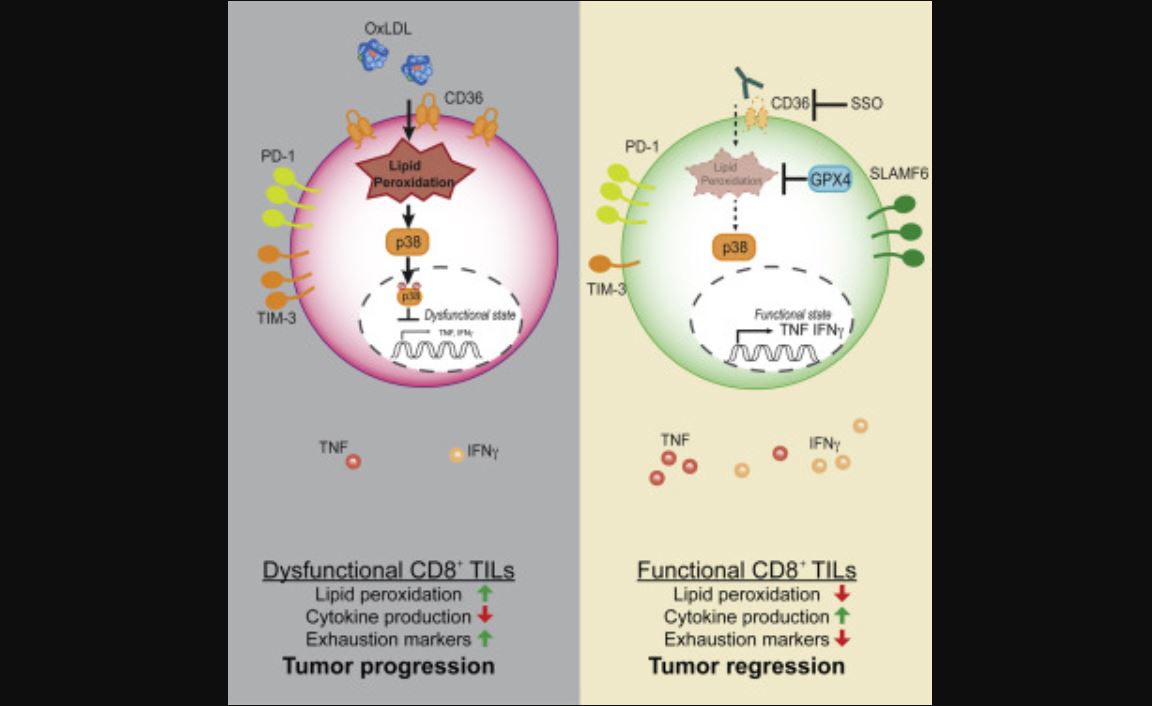
In order for cancer to grow and spread, it has to evade detection by our immune cells, particularly specialized “killer” T cells. Salk researchers led by Professor Susan Kaech have found that the environment inside tumors (the tumor microenvironment) contains an abundance of oxidized fat molecules, which, when ingested by the killer T cells, suppresses their ability to kill cancer cells. In a vicious cycle, those T cells, in need of energy, increase the level of a cellular fat transporter, CD36, that unfortunately saturates them with even more oxidized fat and further curtails their anti-tumor functions.

The discovery, published online in Immunity on June 7, 2021, suggests new pathways for safeguarding the immune system’s ability to fight cancer by reducing the oxidative lipid dama...

Read More

ALMA discovers Earliest Gigantic Black Hole Storm

figure: Artist’s impression of a galactic wind driven by a supermassive black hole located in the center of a galaxy
Artist’s impression of a galactic wind driven by a supermassive black hole located in the center of a galaxy. The intense energy emanating from the black hole creates a galaxy-scale flow of gas that blows away the interstellar matter that is the material for forming stars. Credit: ALMA (ESO/NAOJ/NRAO)

Researchers using the Atacama Large Millimeter/submillimeter Array (ALMA) discovered a titanic galactic wind driven by a supermassive black hole 13.1 billion years ago. This is the earliest example yet observed of such a wind to date and is a telltale sign that huge black holes have a profound effect on the growth of galaxies from the very early history of the universe.

At the center of many large galaxies hides a supermassive black hole that is millions to billions of times more mas...

Read More

Rapamycin changes the way our DNA is Stored

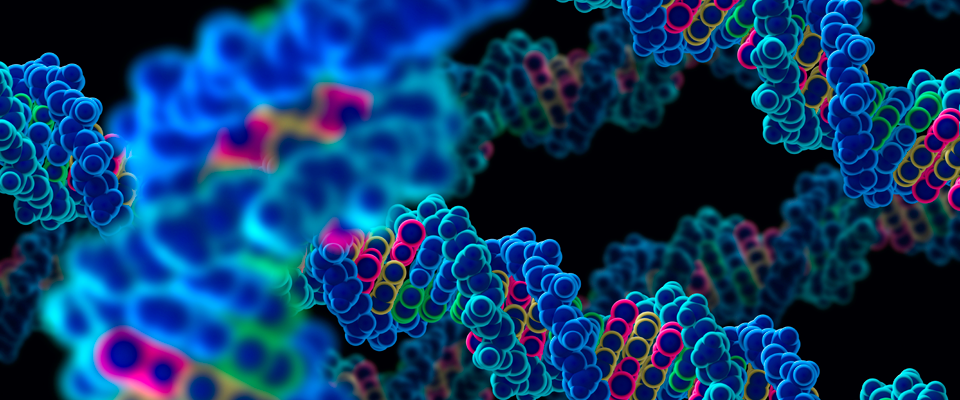
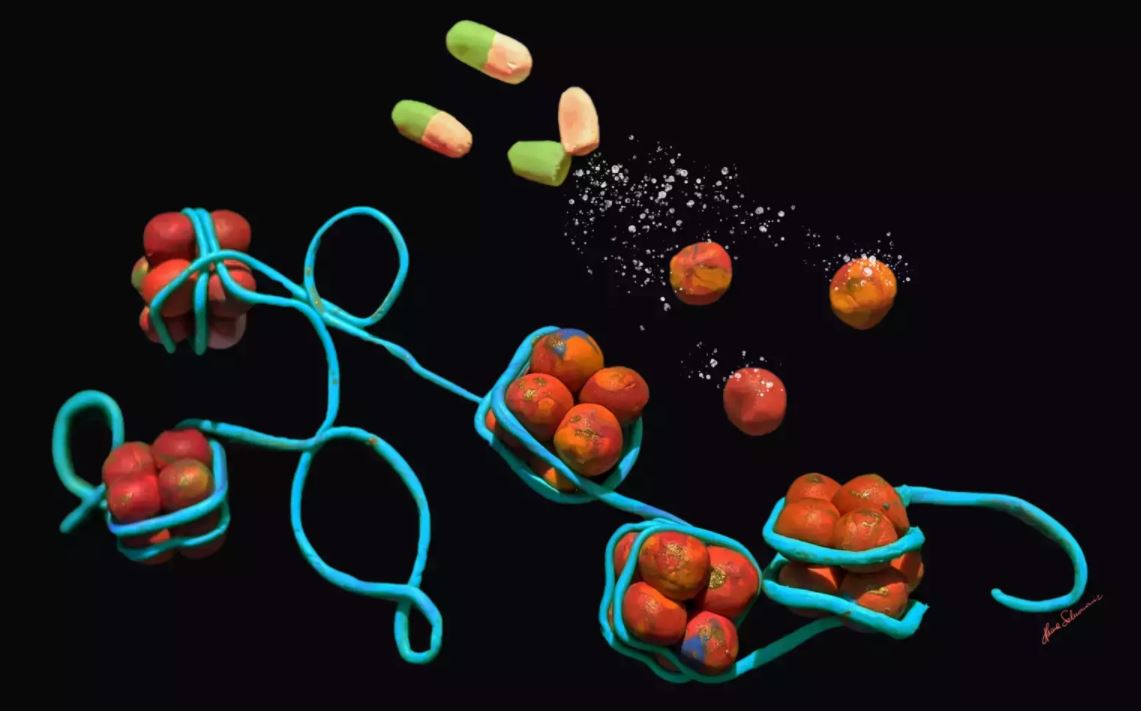
The anti-ageing compound rapamycin influences DNA winding.
© Hanna Salmonowicz, Monney Medical Media, 2021

Researchers discover an unexpected link between DNA winding and metabolism in the gut to ameliorate aging. Our genetic material is stored in our cells in a specific way to make the meter-long DNA molecule fit into the tiny cell nucleus of each body cell...

Read More

New way to 3D print custom Medical Devices to boost Performance and Bacterial Resistance

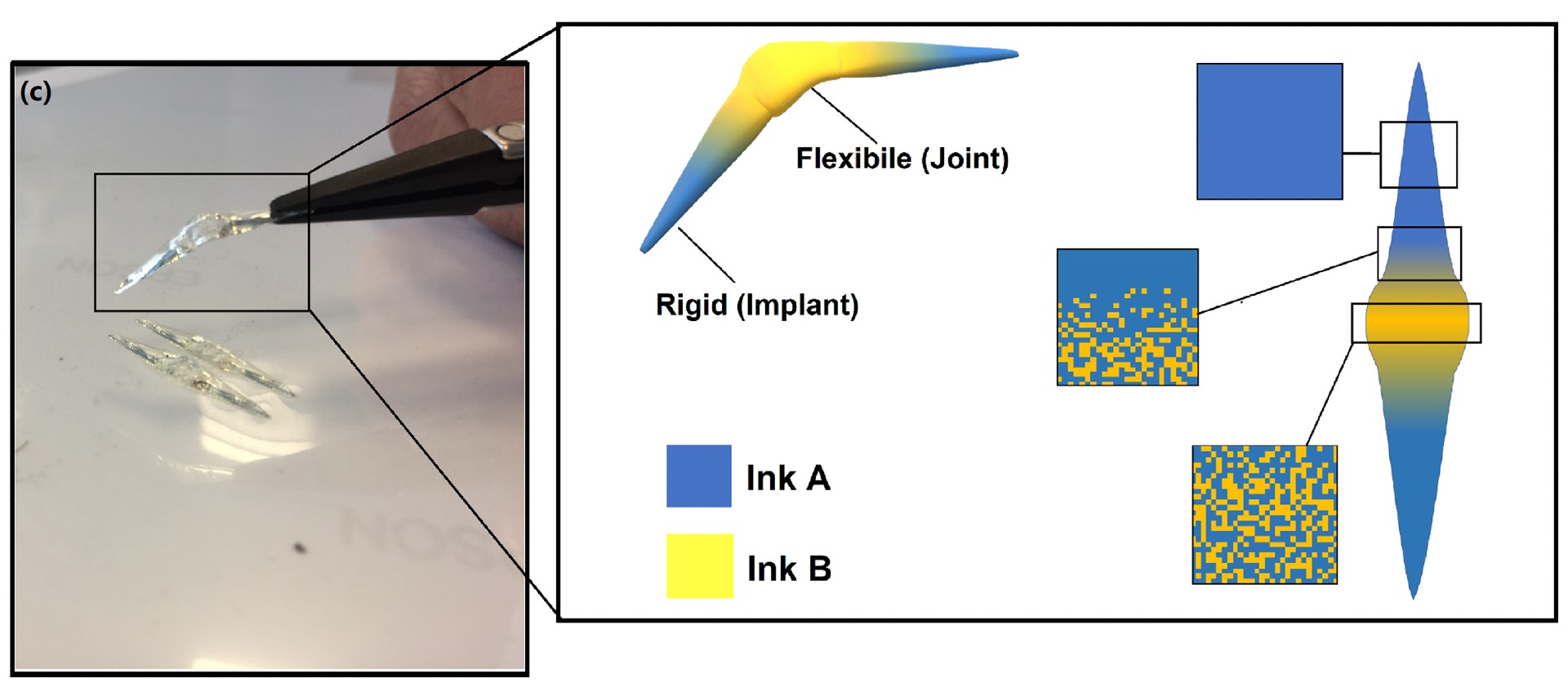
A bacteria-repelling artificial finger joint with customised strength distribution made with the multi-material 3D print process

Using a new 3D printing process, University of Nottingham researchers have discovered how to tailor-make artificial body parts and other medical devices with built-in functionality that offers better shape and durability, while cutting the risk of bacterial infection at the same time.

Study lead, Dr Yinfeng He, from the Centre for Additive Manufacturing, said: “Most mass-produced medical devices fail to completely meet the unique and complex needs of their users. Similarly, single-material 3D printing methods have design limitations that cannot produce a bespoke device with multiple biological or mechanical functions.

“But for the first time, using ...

Read More