Human Lung and Brain Organoids respond differently to SARS-CoV-2 Infection in Lab Tests

brain and lung organoids
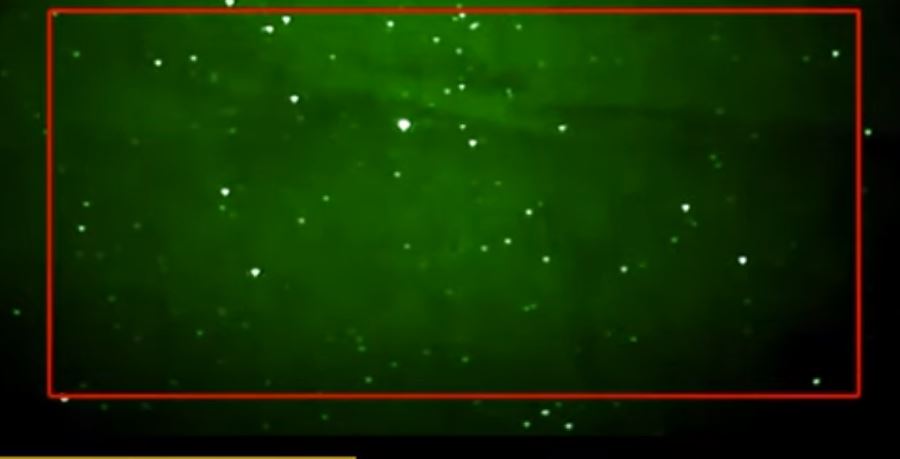
UC San Diego School of Medicine researchers found approximately 10-fold higher SARS-CoV-2 infection (green) in lung organoids (left), compared to brain organoids (right).

Findings may help explain the wide variety in COVID-19 symptoms and aid search for therapies. COVID-19, the disease caused by the pandemic coronavirus SARS-CoV-2, is primarily regarded as a respiratory infection. Yet the virus has also become known for affecting other parts of the body in ways not as well understood, sometimes with longer-term consequences, such as heart arrhythmia, fatigue and “brain fog.”

Researchers at University of California San Diego School of Medicine are using stem cell-derived organoids — small balls of human cells that look and act like mini-organs in a laboratory dish — to study how the ...

Read More

Spintronics: New production method makes Crystalline Microstructures universally usable

Coloured electron microscopy image (pink: YIG-bridge, green: glue, gray: sapphire)
Foto: AIP Applied Physics Letters

New storage and information technology requires new higher performance materials. One of these materials is yttrium iron garnet, which has special magnetic properties. Thanks to a new process, it can now be transferred to any material. Developed by physicists at Martin Luther University Halle-Wittenberg (MLU), the method could advance the production of smaller, faster and more energy-efficient components for data storage and information processing. The physicists have published their results in the journal Applied Physics Letters.

Magnetic materials play a major role in the development of new storage and information technologies...

Read More

Evidence of dynamic Seasonal Activity on a Martian Sand Dune

Ariel image of airborne plumes of dusty material located on the downwind slope of the Martian megadune
Courtesy of NASA/JPL/University of Arizona The airborne plumes of dusty material located on the downwind slope of this Martian megadune were an important clue, allowing an SwRI scientist to deduce that chunks of frozen CO2, or dry ice, slide down the gullies in the spring, kicking up sand and dust. While actively sliding CO2 ice blocks cannot be observed conclusively in this image, dense clouds of debris likely conceal mobile ice blocks.

Research finds that airborne dust plumes are produced by sliding blocks of dry ice each spring. A Southwest Research Institute® (SwRI®) scientist examined 11 Mars years of image data to understand the seasonal processes that create linear gullies on the slopes of the megadune in the Russell crater on Mars...

Read More

Last-itch effort: Fighting the Bacteria that exacerbate Eczema with bacteria

Researchers at UC San Diego School of Medicine use bacteriotherapy to improve symptoms of atopic dermatitis. Image: CDC, Unsplash

In a new study out of University of California San Diego School of Medicine, researchers have identified a universal strain of bacteria derived from healthy human skin that can treat the most common type of eczema, also known as atopic dermatitis.

In the paper published Feb. 22, 2021, in Nature Medicine, the research team investigated the safety and mechanisms of this certain bacteria in a first-in-human, Phase I, double-blinded clinical trial looking to treat people living with eczema. Of the 54 participants, two-thirds reported improvements in their symptoms, including fewer complaints of itchiness and inflammation.

“The main question we wanted to an...

Read More