To raise new questions, new possibilities, to regard old problems from a new angle, requires creative imagination and marks real advance in science.
~Albert Einstein
Read More
Old Newtonian physics claimed that things have an objective reality separate from our perception of them. Quantum physics, and particularly Heisenberg's Uncertainty Principle, reveal that, as our perception of an object changes, the object itself literally changes.
~Marianne Williamson
Read More
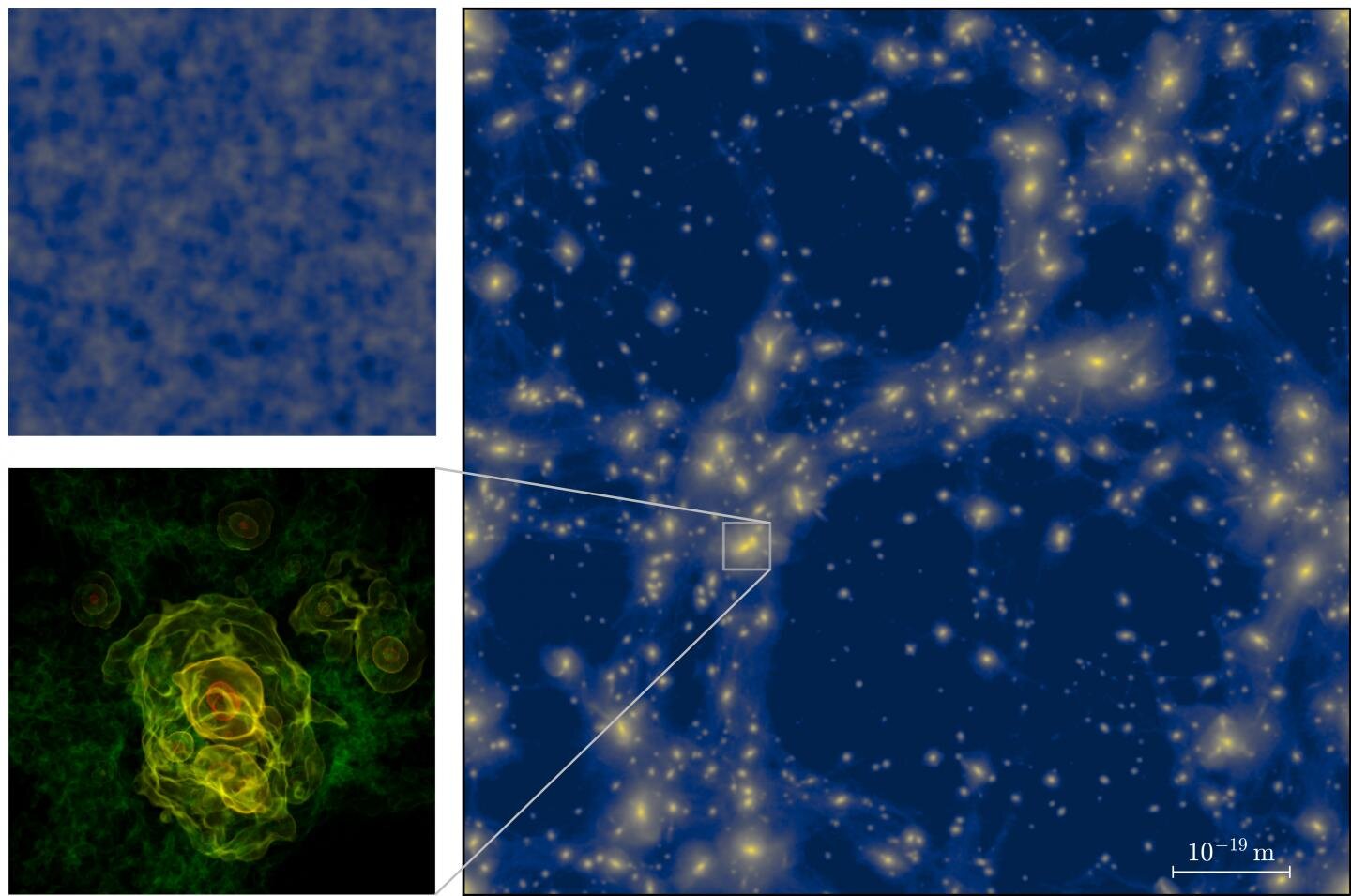
The results of the simulation show the growth of tiny, extremely dense structures very soon after the inflation phase of the very early universe. Between the initial and final states in the simulation (top left and right respectively), the area shown has expanded to ten million times its initial volume, but is still many times smaller than the interior of a proton. The enlarged clump at the bottom left would have a mass of about 20kg. Credit: Jens Niemeyer, University of Göttingen
The very first moments of the Universe can be reconstructed mathematically even though they cannot be observed directly. Physicists from the Universities of Göttingen and Auckland (New Zealand) have greatly improved the ability of complex computer simulations to describe this early epoch...
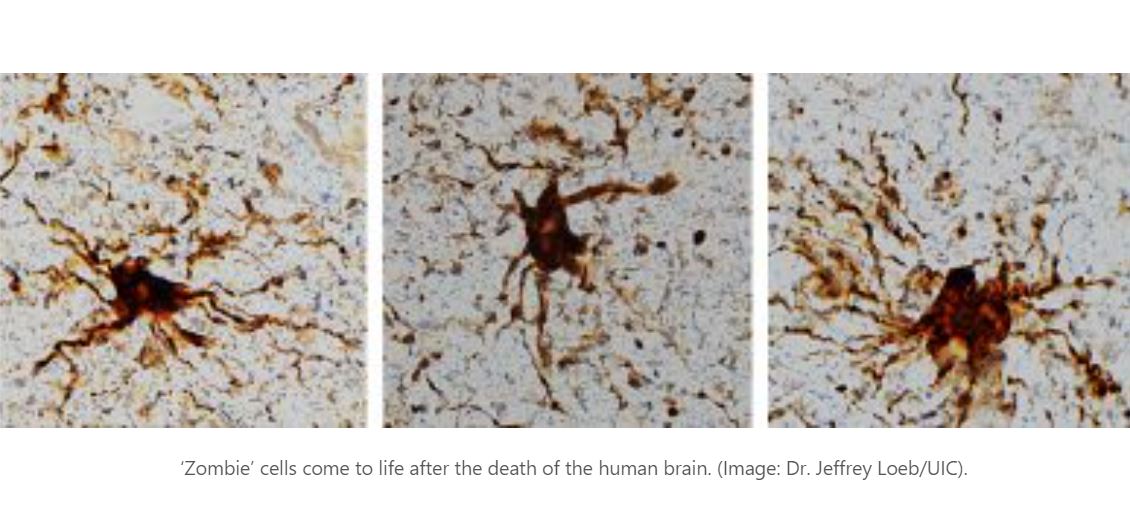
Post-mortem changes may shed light on important brain studies. In the hours after we die, certain cells in the human brain are still active. Some cells even increase their activity and grow to gargantuan proportions, according to new research from the University of Illinois Chicago.
In a newly published study in the journal Scientific Reports, the UIC researchers analyzed gene expression in fresh brain tissue — which was collected during routine brain surgery — at multiple times after removal to simulate the post-mortem interval and death. They found that gene expression in some cells actually increased after death.
These ‘zombie genes’ — those that increased expression after the post-mortem interval — were specific to one type of cell: inflammatory cells called glial cells...
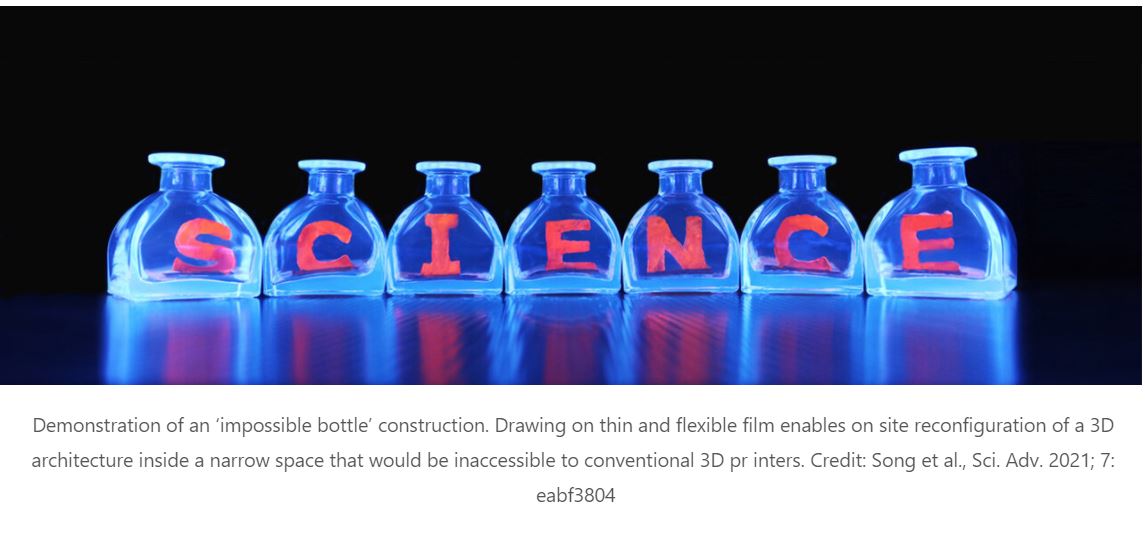
A team of researchers affiliated with several institutions in South Korea has developed a simple method for converting 2D drawings to 3D objects. In their paper published in the journal Science Advances, the group describes their technique and possible uses for it.
Over the past several decades, 3D printing has become a popular way to create three-dimensional objects in a relatively simple manner. Such printing allows for on-demand supply of simple products. In this new effort, the researchers have developed another way to create 3D objects without the need for a printer.
The technique involves hand-drawing (or conventionally printing) a 2D image on an object using a special pen with special ink and then submerging the object in a tub of water...
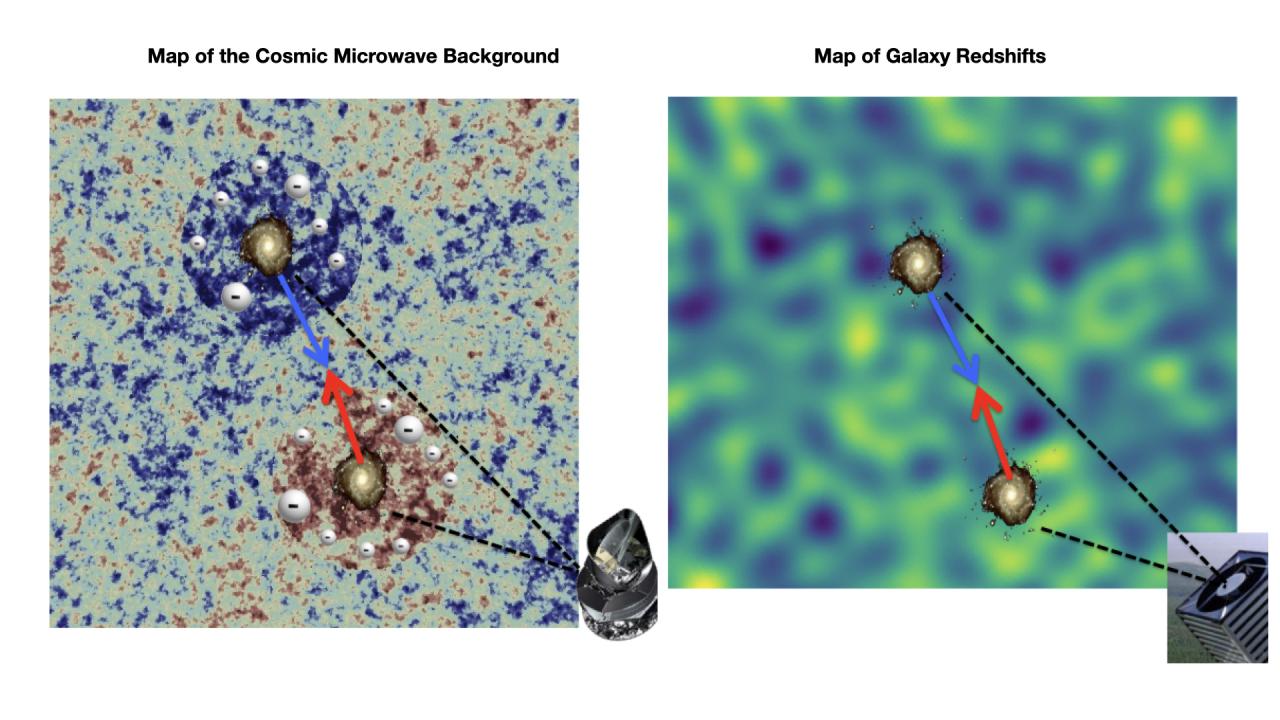
The presence of ionized gas around galaxies with moves with them leaves a trace in the microwave background radiation which can be detected knowing the pattern of velocities of the galaxies provided by the map. Credit: Carlos Hernández-Monteagudo (IAC).
Scientists estimate that dark matter and dark energy together are some 95% of the gravitational material in the universe while the remaining 5% is baryonic matter, which is the “normal” matter composing stars, planets and living beings. However, for decades, almost one-half of this matter has not been found. Now, using a new technique, a team including researchers from the Instituto de Astrofísica de Canarias (IAC) has shown that this “missing” baryonic matter fills the space between galaxies as hot, low-density gas...











Recent Comments