



New hope for Treating Chronic Pain Without Opioids

According to some estimates, chronic pain affects up to 40% of Americans, and treating it frustrates both clinicians and patients — a frustration that’s often compounded by a hesitation to prescribe opioids for pain.

A new study from the University of Michigan School of Dentistry confirms that a low dose of a drug called naltrexone is a good option for patients with orofacial and chronic pain, without the risk of addiction, said first author Elizabeth Hatfield, a clinical lecturer in the Department of Oral and Maxillofacial Surgery and Hospital Dentistry.

Naltrexone is a semisynthetic opioid first developed in 1963 as an oral alternative to naloxone, the nasal spray used to reverse opioid drug overdoses. When prescribed at doses of 50 to 100 milligrams, naltrexone
blocks the effe...

Read More

Light used to detect Quantum Information Stored in 100,000 Nuclear Quantum Bits

Quantum particles

Researchers have found a way to use light and a single electron to communicate with a cloud of quantum bits and sense their behaviour, making it possible to detect a single quantum bit in a dense cloud.

The researchers, from the University of Cambridge, were able to inject a ‘needle’ of highly fragile quantum information in a ‘haystack’ of 100,000 nuclei. Using lasers to control an electron, the researchers could then use that electron to control the behaviour of the haystack, making it easier to find the needle. They were able to detect the ‘needle’ with a precision of 1.9 parts per million: high enough to detect a single quantum bit in this large ensemble.

The technique makes it possible to send highly fragile quantum information optically to a nuclear system for storage, and ...

Read More

The Comet that Killed the Dinosaurs

Image result for New theory explains possible origin of plummeting Chicxulub impactor that struck off Mexico
New theory explains possible origin of plummeting Chicxulub impactor that struck off Mexico

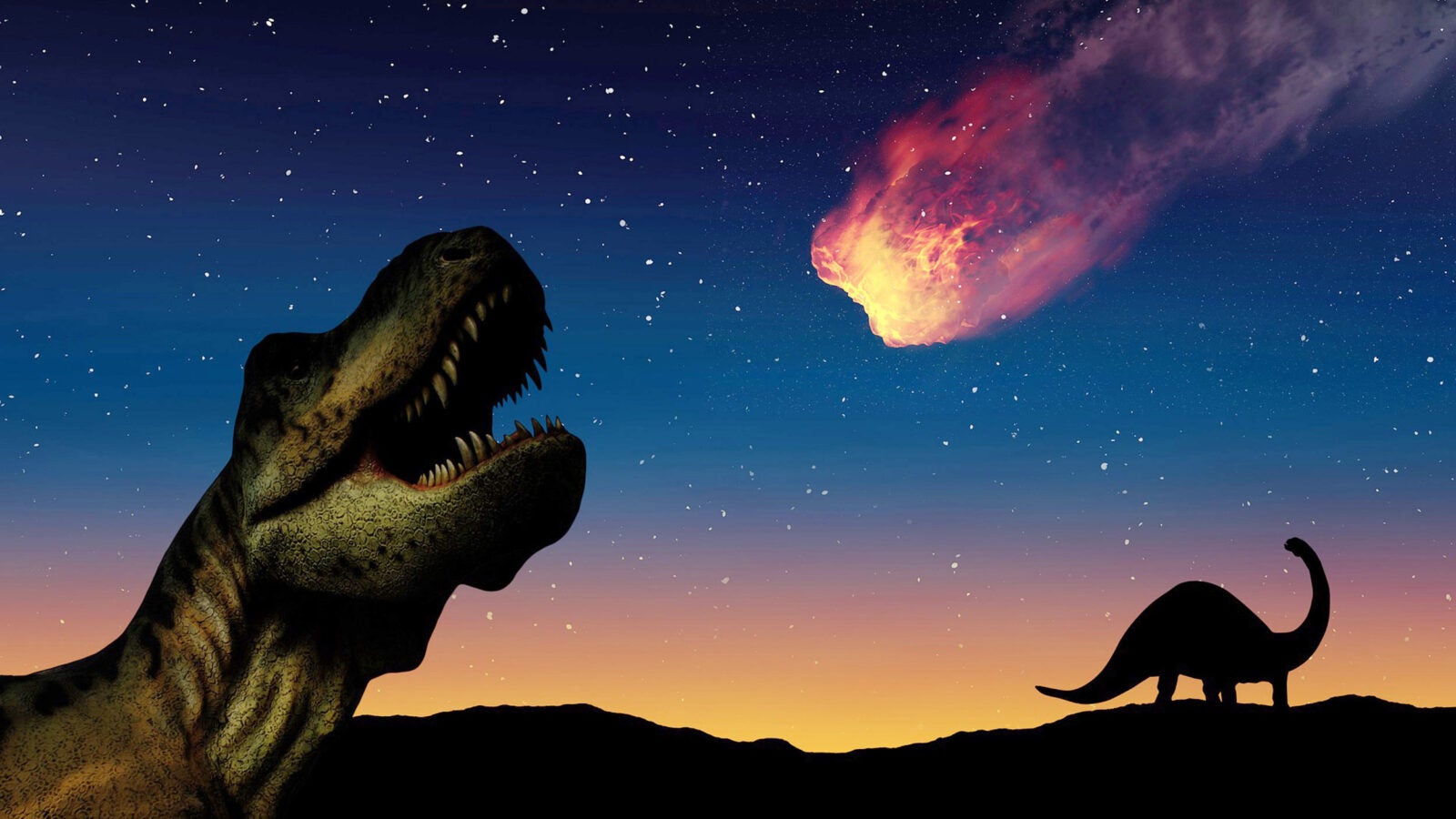
New theory explains possible origin of the Chicxulub impactor. It was tens of miles wide and forever changed history when it crashed into Earth about 66 million years ago.

The Chicxulub impactor, as it’s known, left behind a crater off the coast of Mexico that spans 93 miles and goes 12 miles deep. Its devastating impact brought the reign of the dinosaurs to an abrupt and calamitous end by triggering their sudden mass extinction, along with the end of almost three-quarters of the plant and animal species then living on Earth.

The enduring puzzle has always been where the asteroid or comet that set off the destruction originated, and how it came to strike the Earth...

Read More

Commuters are Inhaling Unacceptably High levels of Carcinogens

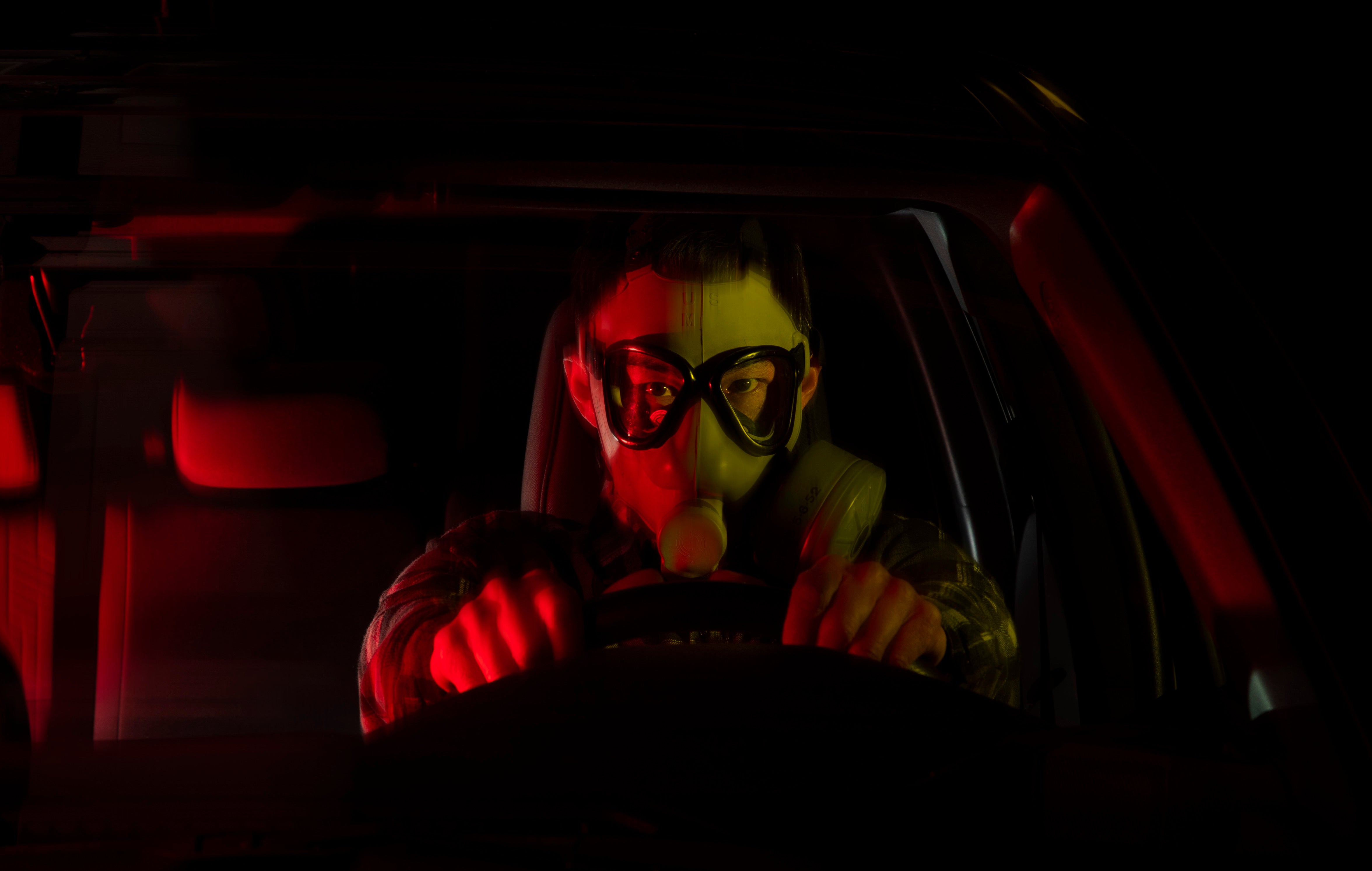
Driver wearing protective equipment. (Stan Lim/UCR)

Twenty minutes or longer in the car also raises risk of birth defects. A new study finds that California’s commuters are likely inhaling chemicals at levels that increase the risk for cancer and birth defects.

As with most chemicals, the poison is in the amount. Under a certain threshold of exposure, even known carcinogens are not likely to cause cancer. Once you cross that threshold, the risk for disease increases.

Governmental agencies tend to regulate that threshold in workplaces. However, private spaces such as the interior of our cars and living rooms are less studied and less regulated.

Benzene and formaldehyde — both used in automobile manufacturing — are known to cause cancer at or above certain levels of exposure and...

Read More