Sound Waves power New Advances in Drug Delivery and Smart Materials

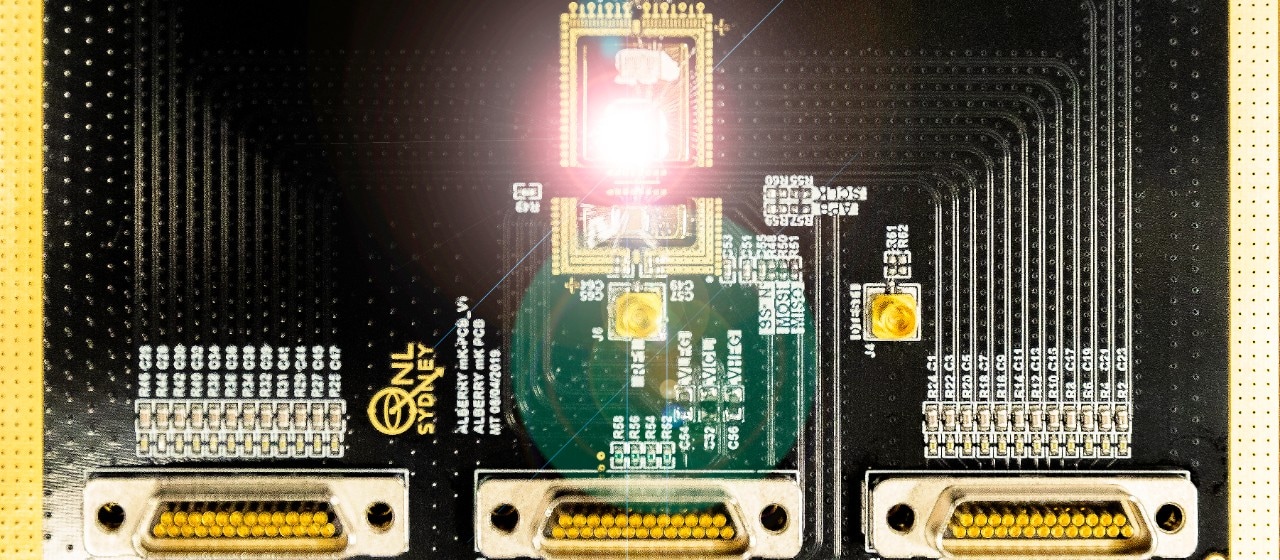
The patented ‘Respite’ nebuliser uses high-frequency sound waves to precisely deliver drugs to the lungs.

Researchers have revealed how high-frequency sound waves can be used to build new materials, make smart nanoparticles and even deliver drugs to the lungs for painless, needle-free vaccinations.

While sound waves have been part of science and medicine for decades — ultrasound was first used for clinical imaging in 1942 and for driving chemical reactions in the 1980s — the technologies have always relied on low frequencies.

Now researchers at RMIT University in Melbourne, Australia, have shown how high frequency sound waves could revolutionise the field of ultrasound-driven chemistry.

A new review published in Advanced Science reveals the bizarre effects of these sound w...

Read More

Blast from the Past

The enigmatic CK Vulpeculae nebula. The team of astronomers measured the speeds and changes in positions of the two small reddish arcs about 1/4 of the way up from the bottom and 1/4 of the way down from the top to help determine that the nebula is expanding five times faster than previously thought.

Credit:International Gemini Observatory/NOIRLab/NSF/AURA
Image processing: Travis Rector (University of Alaska Anchorage), Jen Miller (Gemini Observatory/NSF’s NOIRLab), Mahdi Zamani & Davide de Martin

Gemini North observations enable breakthrough in centuries-old effort to unravel astronomical mystery...

Read More

Therapeutic PD-1 cancer vaccine shown to be safe and effective in animal study

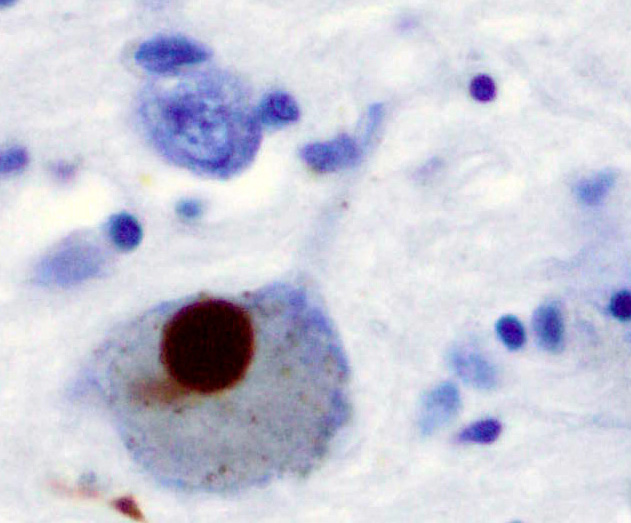
 Identification of four B-cell epitope sequences of human PD-1

First-in-human clinical trial will test vaccine in select cancer patients. A study led by researchers at The Ohio State University Comprehensive Cancer Center — Arthur G. James Cancer Hospital and Richard J. Solove Research Institute (OSUCCC — James) described a potential therapeutic anticancer vaccine that frees suppressed cancer-killing immune cells, enabling them to attack and destroy a tumor.

Published in the journal Oncoimmunology, on October 1, 2020, the findings showed that the peptide called PD1-Vaxx, a first checkpoint inhibitor vaccine, was safe and effective in a colon cancer syngeneic animal model.

The vaccine produced polyclonal antibodies that inhibit the programmed cell death receptor, PD-1, on cancer c...

Read More

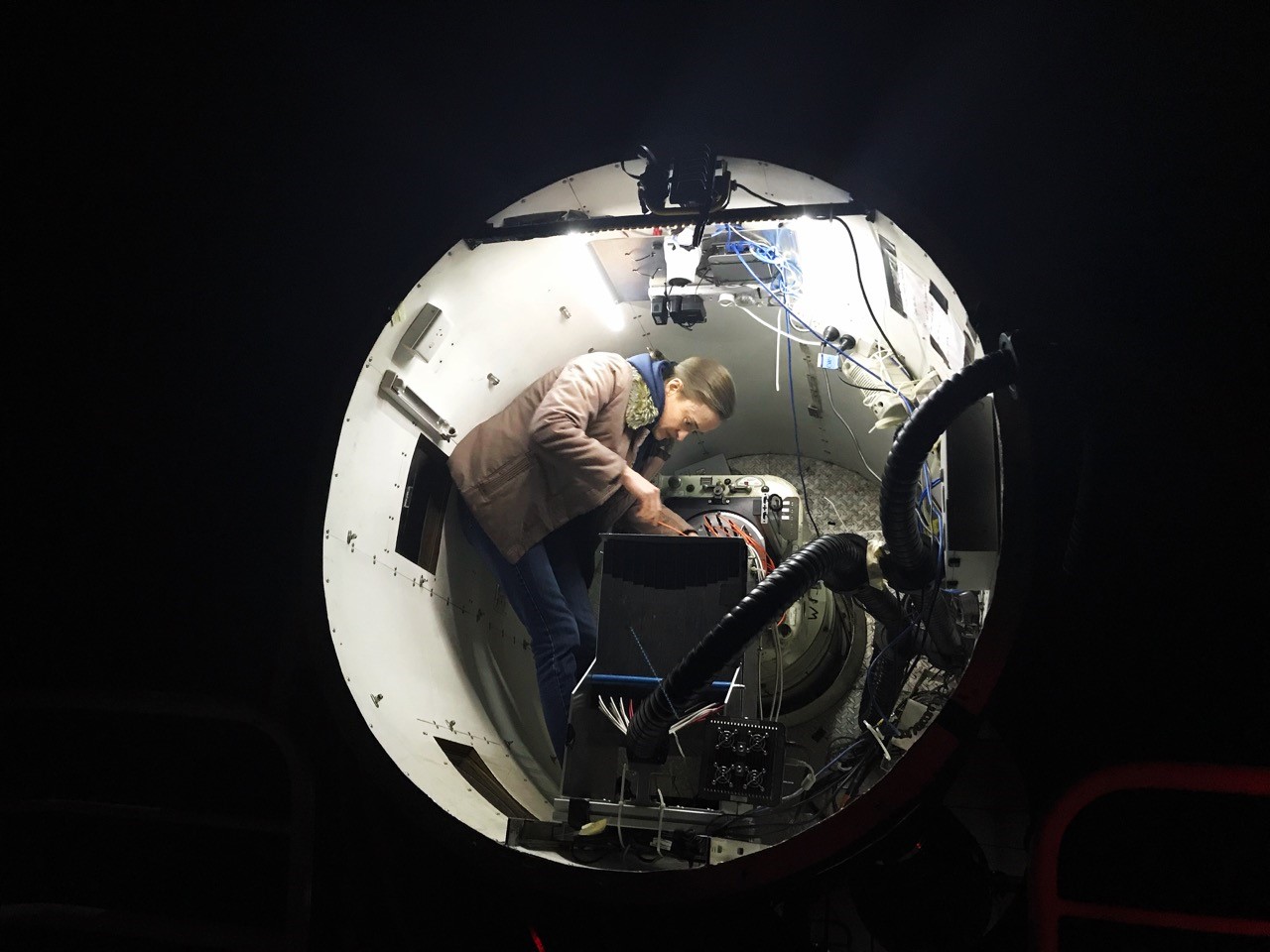
World’s Smallest Atom-Memory Unit created

image003

Faster, smaller, smarter and more energy-efficient chips for everything from consumer electronics to big data to brain-inspired computing could soon be on the way after engineers at The University of Texas at Austin created the smallest memory device yet. And in the process, they figured out the physics dynamic that unlocks dense memory storage capabilities for these tiny devices.

The research published recently in Nature Nanotechnology builds on a discovery from two years ago, when the researchers created what was then the thinnest memory storage device. In this new work, the researchers reduced the size even further, shrinking the cross section area down to just a single square nanometer.

Getting a handle on the physics that pack dense memory storage capability into these devi...

Read More