Hydrogels with Fine-Toothed Molecular Combs may make enduring Glucose-Monitoring Implants

Hydrogels With Fine-Toothed Molecular Combs Could Make Enduring Glucose-Monitoring  Implants - Texas A&M Today
Hydrogels infused with comb-like molecules may monitor blood sugar longer than current implants. Getty Images

In a new study, published online in the journal American Chemical Society (ACS) Applied Polymer Materials, scientists at Texas A&M University reported they have designed a hydrogel membrane that may be used to house optical glucose sensing materials, toward building a biosensor for monitoring sugar levels in diabetics.

By incorporating dangling, comb-type molecular chains within a type of hydrogel called poly(N-isopropylacrylamide) or poly NIPAAm for short, they showed that the membrane could prevent leakage of small-sized molecules, like the ones for glucose-sensing, while still allowing glucose to freely diffuse in and out.

When ready for clinical use, the researchers s...

Read More

A look at the Sun’s Dusty Environment

A look at the sun's dusty environment - Tech Explorist
arker Solar Probe circles in front of the sun in this artist rendering. (Credit: NASA, Johns Hopkins APL, Steve Gribben)

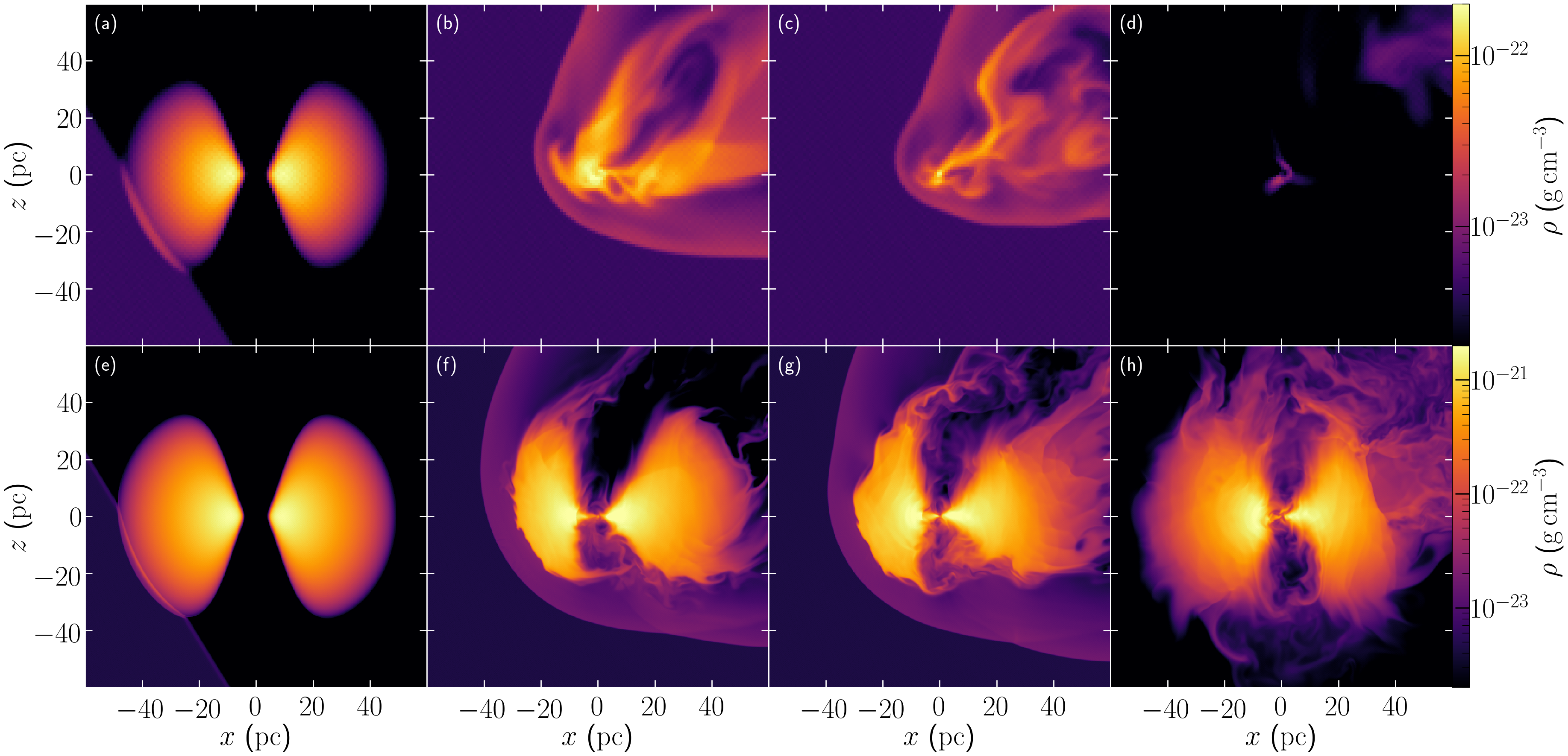
Researchers from the Laboratory for Atmospheric and Space Physics (LASP) at the University of Colorado Boulder are diving into the dusty environment that surrounds the sun — a search that could help to reveal how planets like Earth come into being.

The pursuit comes by way of NASA’s Parker Solar Probe, a pioneering mission that has taken scientists closer to Earth’s home star than any spacecraft to date. Over two years, the probe has circled the sun six times, hitting maximum speeds of roughly 290,000 miles per hour.

In the process, the Parker team has learned a lot about the microscopic grains of dust that lie just beyond the sun’s atmosphere, said David Malas...

Read More

How the Brain Remembers Right Place, Right Time

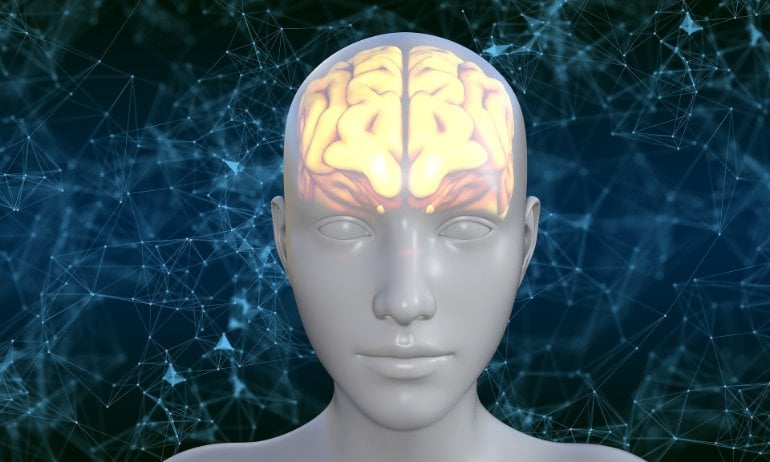
Hippocampal neurons create spatial and temporal “maps” of our world. Brain waves called “theta rhythms” help organize the activity of these neurons. A study by Bradley Lega, M.D., and colleagues determined how a group of neurons known as time cells allow the brain to correctly mark the order of events and assist in memory.
Illustration by Melissa Logies

Two studies led by UT Southwestern researchers shed new light on how the brain encodes time and place into memories. The findings, published recently in PNAS and Science, not only add to the body of fundamental research on memory, but could eventually provide the basis for new treatments to combat memory loss from conditions such as traumatic brain injury, TBI, or Alzheimer’s disease.

About a decade ago, a group of neurons kno...

Read More

New Blended Solar Cells yield High Power Conversion Efficiencies

Schematic illustration of the distribution of the materials in the semiconductor layer for the OPV cell.
ITIC is selectively located at the interface of PTzBT and PCBM domains, which leads to an efficient charge carrier (photocurrent) generation.

Researchers at Hiroshima University in Japan have blended together various polymer and molecular semiconductors as photo-absorbers to create a solar cell with increased power efficiencies and electricity generation. These types of solar cells, known as organic photovoltaics (OPV), are devices that generate electricity when light is incident upon their photo-absorbers. The efficiency of a solar cell is determined by comparing how much electricity is generated to how much light is incident upon the cell...

Read More