Scientists use dental floss to deliver vaccines without needles

Scientists use dental floss to deliver vaccines without needles
Coated floss enables delivery across the JE. Credit: Nature Biomedical Engineering (2025). DOI: 10.1038/s41551-025-01451-3

Flossing your teeth at least once a day is an essential part of any oral health routine. But it might also one day protect other parts of the body as scientists have created a novel, needle-free vaccine approach using a specialized type of floss.

In a study published in Nature Biomedical Engineering, researchers demonstrated that when floss laced with vaccine components, such as proteins and inactive viruses, was applied along the gum lines of mice, it triggered an immune response.

This method of vaccine delivery is effective because the areas of gum between the teeth are highly permeable, allowing them to absorb vaccine molecules easily.

Flossing mice
In...
Read More

Superheated gold withstands ‘entropy catastrophe’: New method challenges established physics

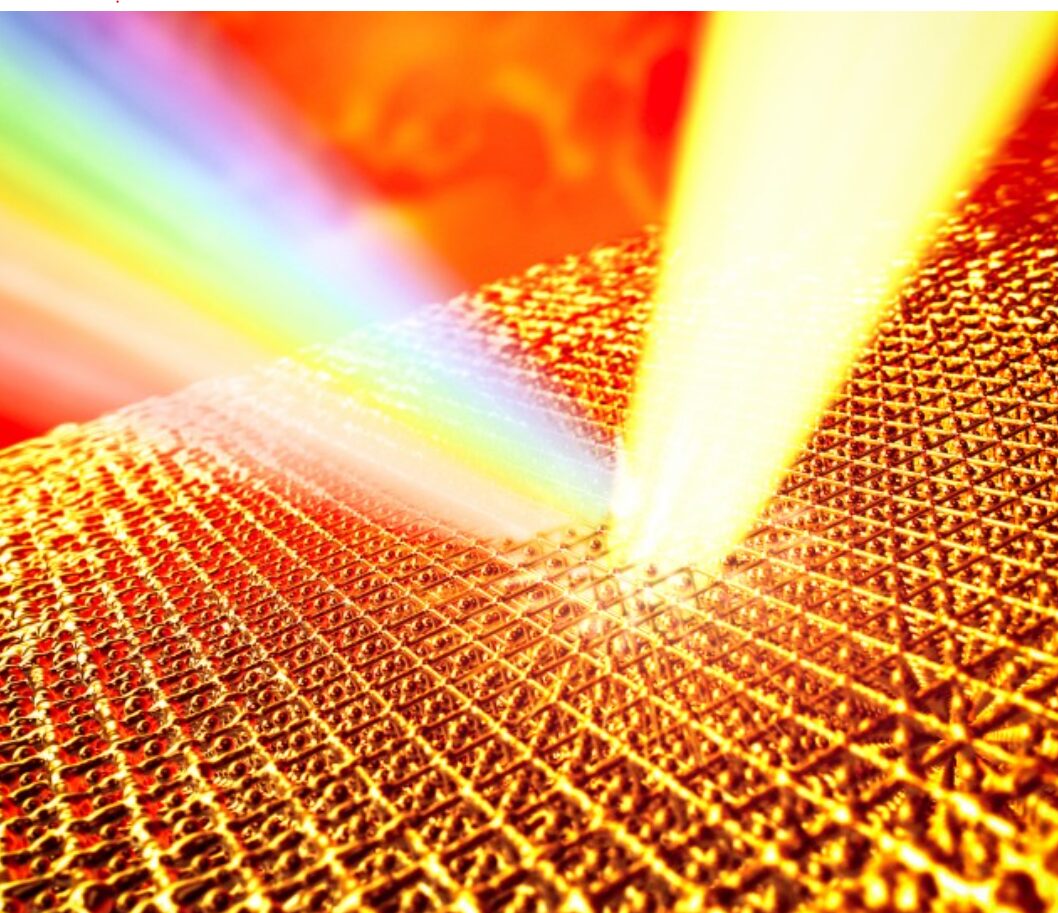
Researchers at SLAC’s Matter in Extreme Conditions (MEC) instrument used a laser to superheat a sample of gold. Then, they sent a pulse of ultrabright X-rays from the Linac Coherent Light Source (LCLS) through the sample to measure the speed, and thus the temperature, of the atoms vibrating in the sample.

Researchers at SLAC’s Matter in Extreme Conditions (MEC) instrument used a laser to superheat a sample of gold. Then, they sent a pulse of ultrabright X-rays from the Linac Coherent Light Source (LCLS) through the sample to measure the speed, and thus the temperature, of the atoms vibrating in the sample.

Researchers taking the first-ever direct measurement of atom temperature in extremely hot materials inadvertently disproved a decades-old theory and upended our understanding of s...

Read More

NASA’s Roman telescope will catch 100,000 explosions — and rewrite the Universe’s story

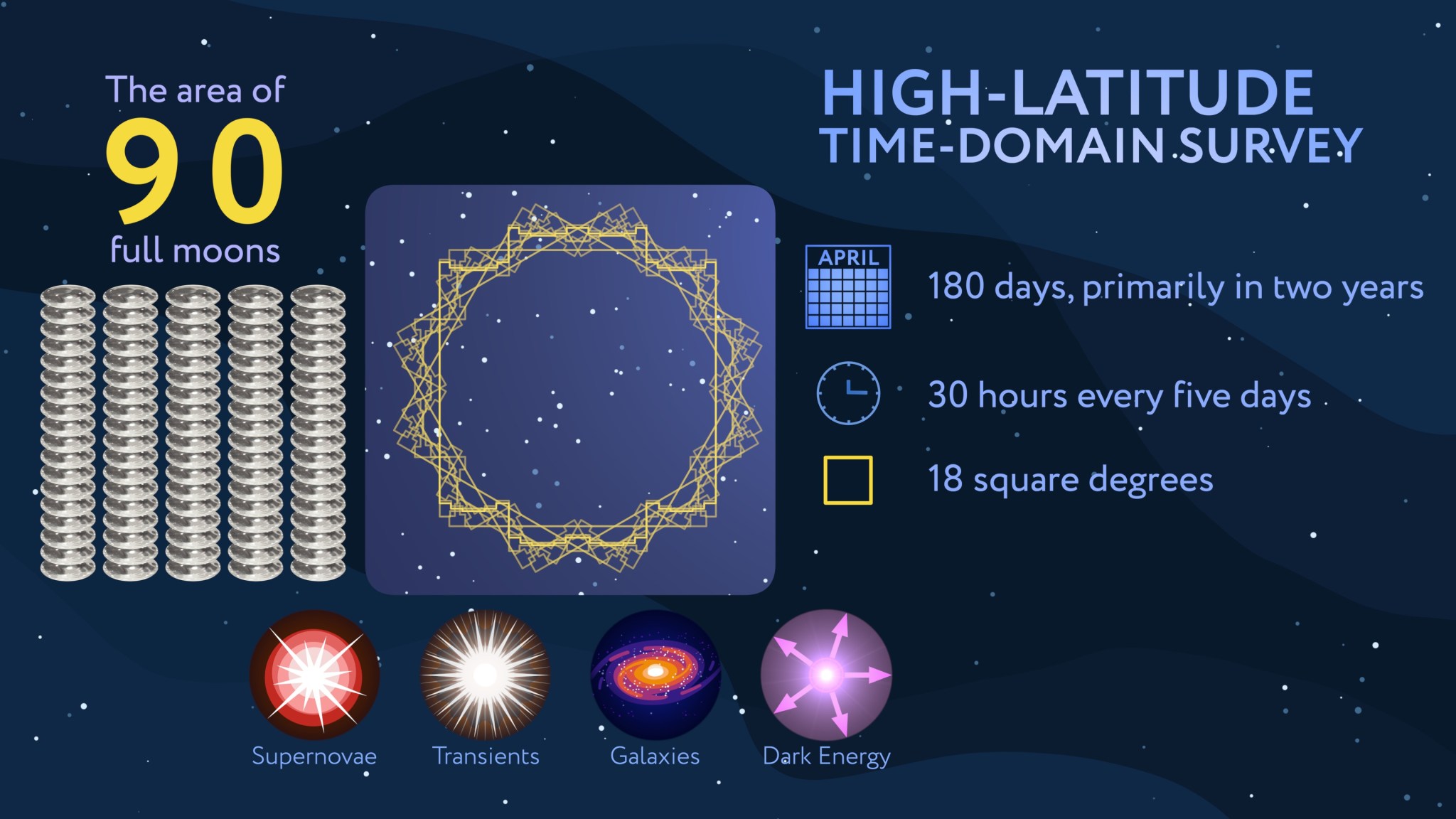
High-Latitude Time-Domain Survey infographic
This infographic describes the High-Latitude Time-Domain Survey that will be conducted by NASA’s Nancy Grace Roman Space Telescope. The survey’s main component will cover over 18 square degrees — a region of sky as large as 90 full moons — and see supernovae that occurred up to about 8 billion years ago. Smaller areas within the survey will pierce even farther, potentially back to when the universe was around a billion years old. The survey will be split between the northern and southern hemispheres, located in regions of the sky that will be continuously visible to Roman. The bulk of the survey will consist of 30-hour observations every five days for two years in the middle of Roman’s five-year primary mission.
Credit: NASA’s Goddard Space Flight Center

NASA’s Roman Space T...

Read More

Six-hour ‘undo’ button: GAI-17 rewinds stroke damage and may beat Alzheimer’s

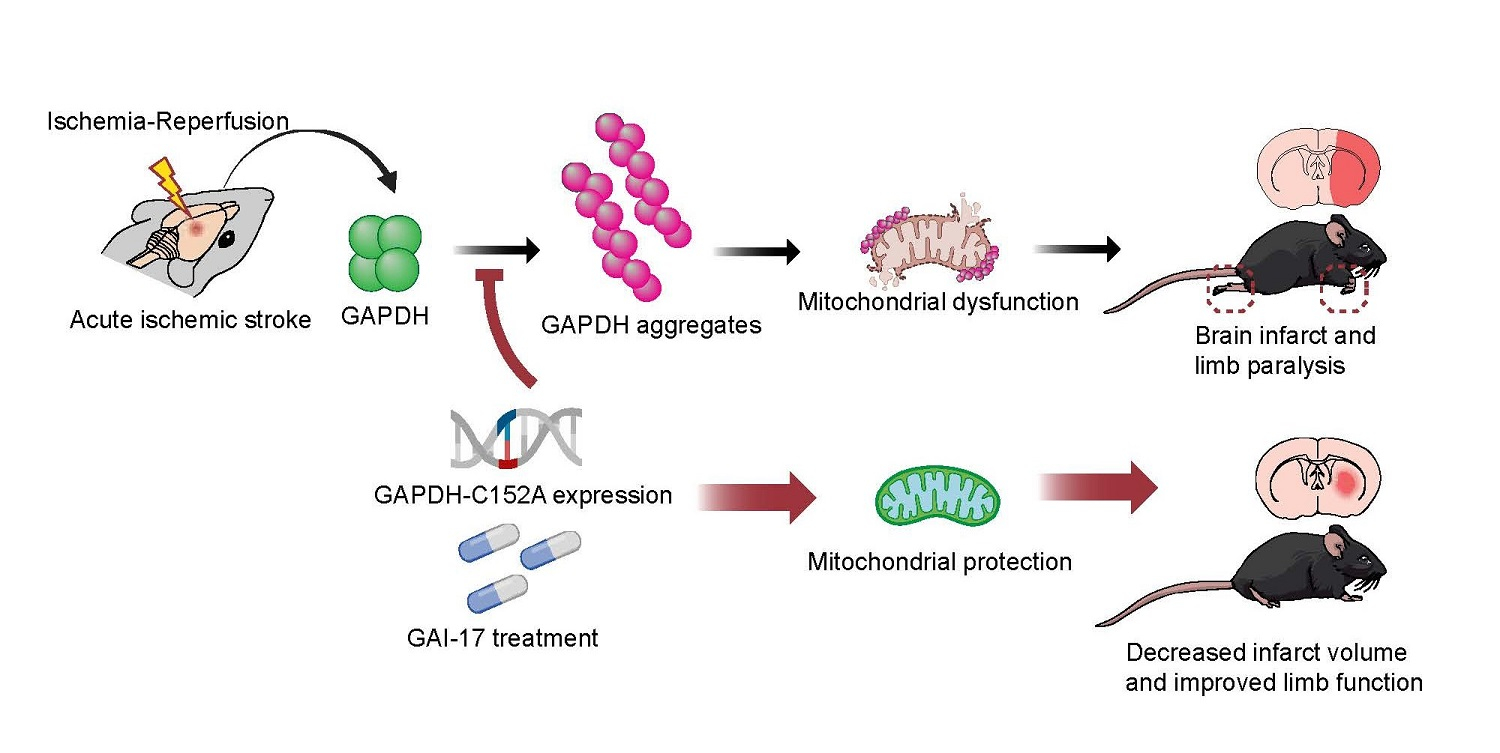
Beneficial effects of GAPDH-C152A expression and GAI-17 on acute ischemic stroke treatment in model mice
Ischemia-Reperfusion-induced GAPDH aggregates lead to cell death and paralysis, but both GAPDH-C152A expression and GAI-17 treatment can decrease the chances of post-stroke side effects.
Credit: Osaka Metropolitan University

Protein aggregation inhibitor shows lower levels of cell death and paralysis in mice with acute strokes.

Stroke kills millions, but Osaka researchers have unveiled GAI-17, a drug that halts toxic GAPDH clumping, slashes brain damage and paralysis in mice—even when given six hours post-stroke—and shows no major side effects, hinting at a single therapy that could also tackle Alzheimer’s and other tough neurological disorders.

Stroke is said to be the se...

Read More