Aurora mysteries unlocked with NASA’s THEMIS mission

The photograph was taken east of Saskatoon on winter solstice in 2015 with a 81% illuminated waxing gibbous Moon. It was processed with PixInsight to remove streaks caused due to an accidentally nudged tripod during exposure while attempting to retain realistic star shapes and colors. The exposure time was 2.5 seconds. Credit: Alan Duffy

A special type of aurora, draped east-west across the night sky like a glowing pearl necklace, is helping scientists better understand the science of auroras and their powerful drivers out in space. Known as auroral beads, these lights often show up just before large auroral displays, which are caused by electrical storms in space called substorms...

Read More

Simple Mod makes Quantum States Last 10,000 times longer

Quantum coherance
From left: Scientists Kevin Miao, Chris Anderson and Alexandre Bourassa work on quantum research in the Awschalom lab at the University of Chicago’s Pritzker School of Molecular Engineering.
Photo by David Awschalom

Simple innovation expected to open multiple new avenues for quantum science. If we can harness it, quantum technology promises fantastic new possibilities. But first, scientists need to coax quantum systems to stay yoked for longer than a few millionths of a second.

A team of scientists at the University of Chicago’s Pritzker School of Molecular Engineering announced the discovery of a simple modification that allows quantum systems to stay operational – or “coherent” – 10,000 times longer than before...

Read More

How Stars form in the Smallest Galaxies

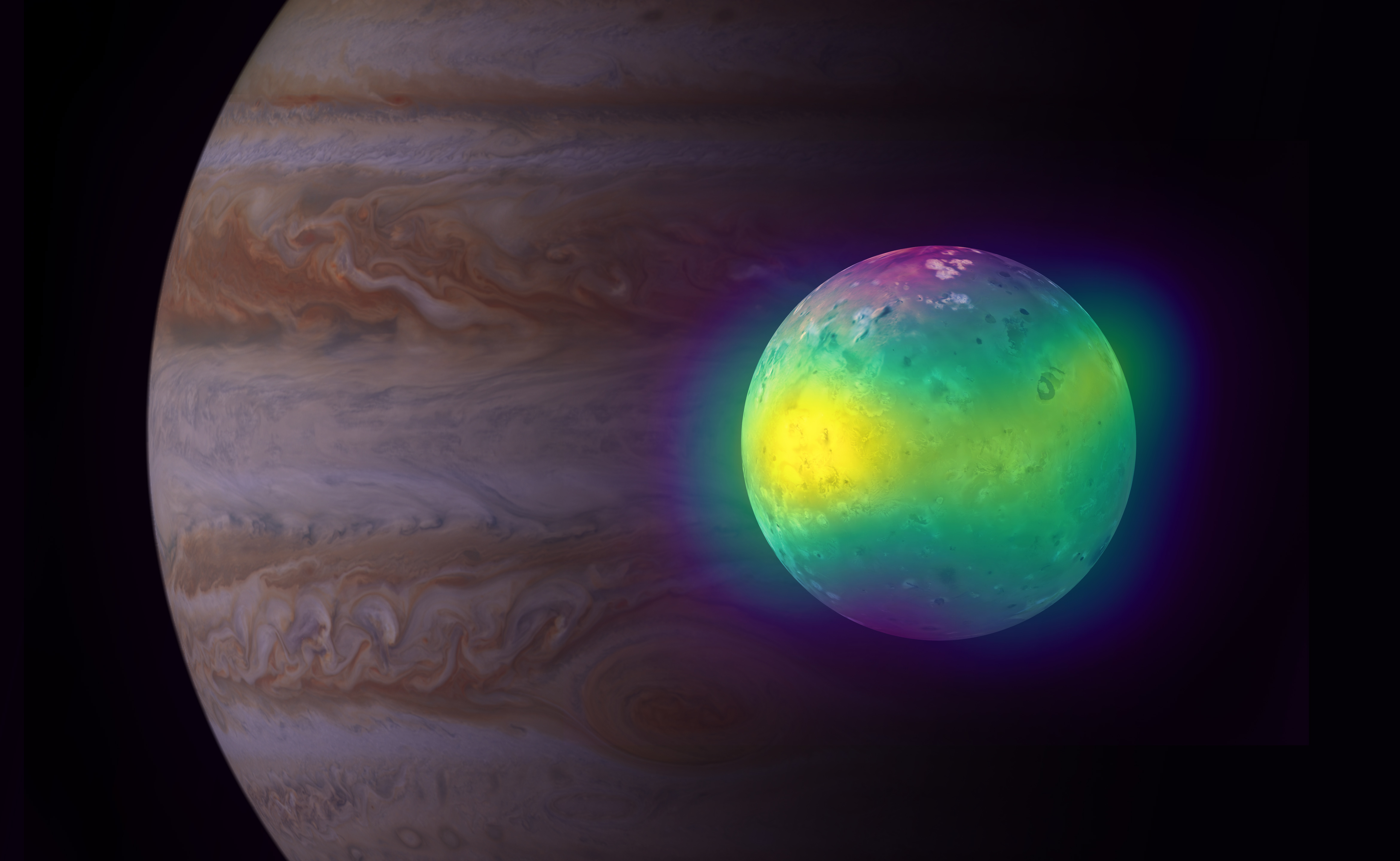
Image: ESO
Image: ESO

The question of how small, dwarf galaxies have sustained the formation of new stars over the course of the Universe has long confounded the world’s astronomers. An international research team led by Lund University in Sweden has found that dormant small galaxies can slowly accumulate gas over many billions of years. When this gas suddenly collapses under its own weight, new stars are able to arise.

There are around 2,000 billion galaxies in our Universe and, while our own Milky-Way encompasses between 200 and 400 billion stars, small dwarf galaxies contain only a thousand times less. How stars are formed in these tiny galaxies has long been shrouded in mystery.

However, in a new study published in the research journal Monthly Notices of the Royal Astronomical Society, a resea...

Read More

Loss of a Specific Enzyme Boosts Fat Metabolism and Exercise Endurance in mice

mouse exercise

Blocking the activity of a fat-regulating enzyme in the muscles of mice leads to an increased capacity for endurance exercise, according to the results of a new study. Sugars and fats are the primary fuels that power every cell, tissue and organ. For most cells, sugar is the energy source of choice, but when nutrients are scarce, such as during starvation or extreme exertion, cells will switch to breaking down fats instead.

The mechanisms for how cells rewire their metabolism in response to changes in resource availability are not yet fully understood, but new research reveals a surprising consequence when one such mechanism is turned off: an increased capacity for endurance (exercise.

In a study published in the Aug...

Read More