








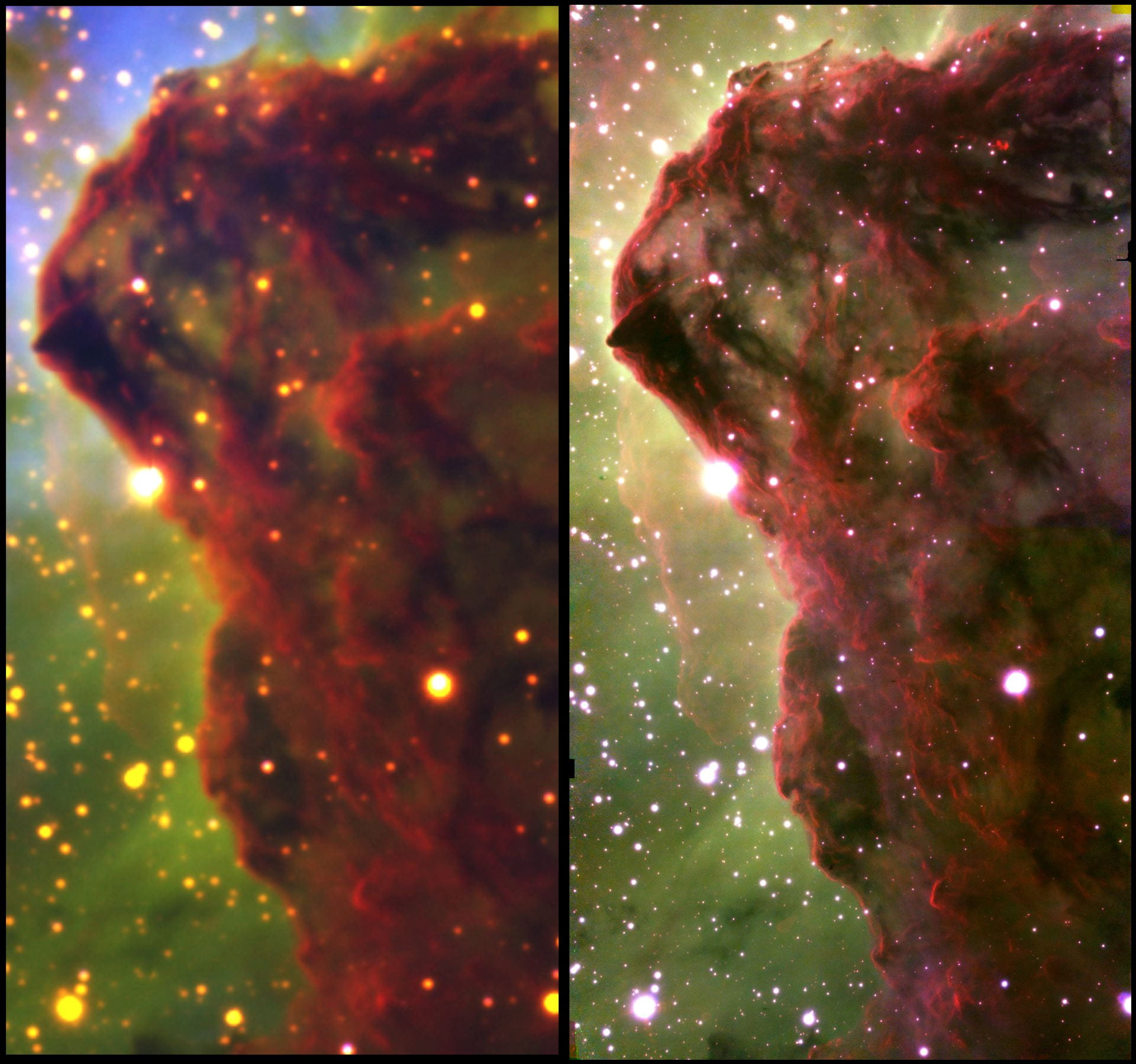
Gemini South’s high-def version of ‘A Star is Born’
October 6, 2020,
 Astronomy/Space
Some Planets may be Better for Life than Earth
October 5, 2020,
Astronomy/Space

Earth is not necessarily the best planet in the universe. Researchers have identified two dozen planets outside our solar system that may have conditions more suitable for life than our own. Some of these orbit stars that may be better than even our sun.
A study led by Washington State University scientist Dirk Schulze-Makuch recently published in the journal Astrobiology details characteristics of potential “superhabitable” planets, that include those that are older, a little la...
Read MoreDrink Coffee After Breakfast, not before, for better Metabolic Control
October 5, 2020,
Health/Medical, Biology/Biotechnology

A strong, black coffee to wake you up after a bad night’s sleep could impair control of blood sugar levels, according to a new study.
Research from the Centre for Nutrition, Exercise & Metabolism at the University of Bath (UK) looked at the effect of broken sleep and morning coffee across a range of different metabolic markers.
Writing in the British Journal of Nutrition the scientists show that whilst one night of poor sleep has limited impact on our metabolism, drinking coffee as a way to perk you up from a slumber can have a negative effect on blood glucose (sugar) control.
Given the importance of keeping our blood sugar levels within a safe ra...
Read MorePhysicists build Circuit that generates Clean, Limitless Power from Graphene
October 5, 2020,
Technology/Electronics, Chemistry/Nanotechnology
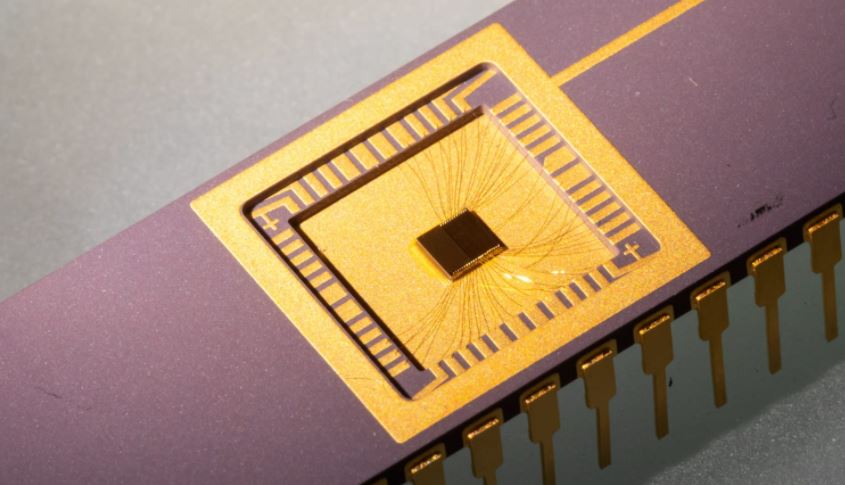
Researchers harnessed the atomic motion of graphene to generate an electrical current that could lead to a chip to replace batteries. A team of University of Arkansas physicists has successfully developed a circuit capable of capturing graphene’s thermal motion and converting it into an electrical current.
“An energy-harvesting circuit based on graphene could be incorporated into a chip to provide clean, limitless, low-voltage power for small devices or sensors,” said Paul Thibado, professor of physics and lead researcher in the discovery.
The findings, published in the journal Physical Review E, are proo...
Read More
Recent Comments