


New insight into the Origin of Water on the Earth

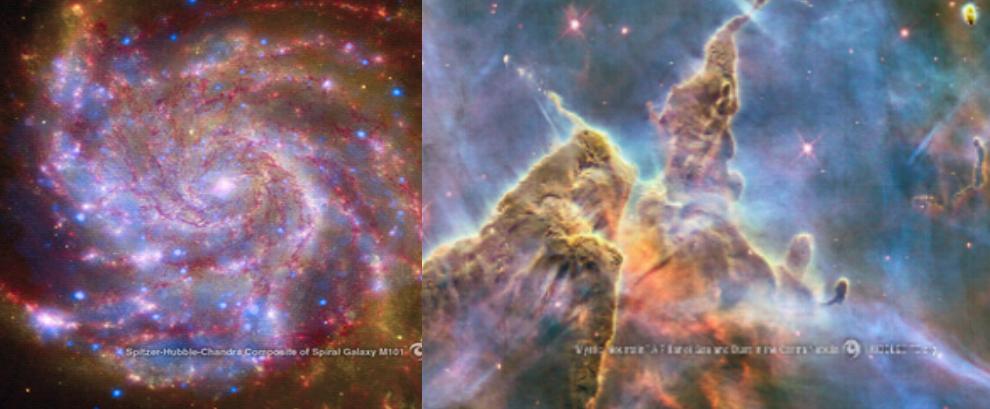
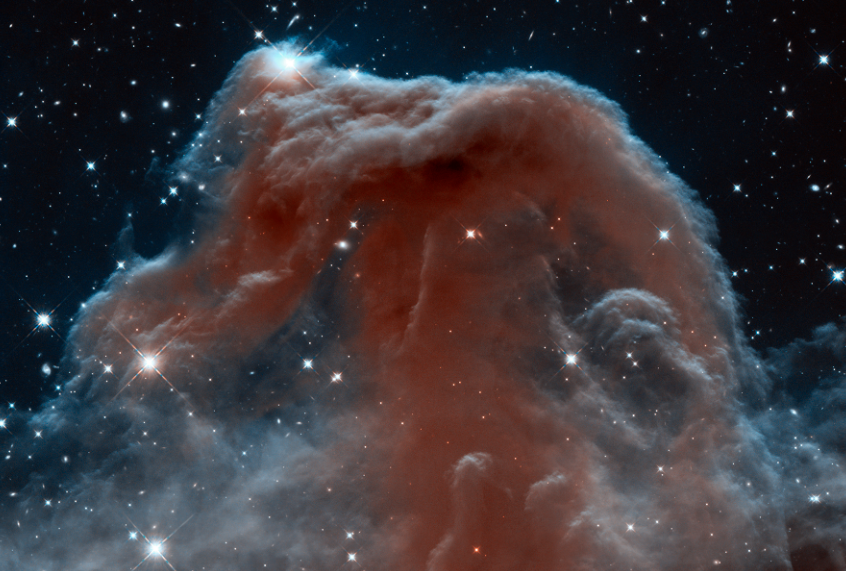
Organic matter in nebula could be the source of terrestrial water. Photo: NASA, ESA, and the Hubble Heritage Team (STScI/AURA)

Scientists have found the interstellar organic matter could produce an abundant supply of water by heating, suggesting that organic matter could be the source of terrestrial water.

There remains a number of mysteries on our planet including the elusive origin of water on the earth. Active studies suggested that terrestrial water had been delivered by icy comets or meteorites containing hydrous silicates that came from outside the “snow line” – the boundary beyond which ice can condense due the low temperatures...

Read More
New Technology Speeds up Organic Data Transfer

Credit: CC0 Public Domain

Researchers are pushing the boundaries of data speed with a brand new type of organic LED. An international research team, involving Newcastle University experts, developed a visible light communication (VLC) setup capable of a data rate of 2.2 Mb/s by employing a new type of organic light-emitting diodes (OLEDs).

To reach this speed, the scientists created new far-red/near-infrared, solution-processed OLEDs. And by extending the spectral range to 700-1000 nm, they successfully expanded the bandwidth and achieved the fastest-ever data speed for solution-based OLEDs.

Described in the journal Light Science & Applications, the new OLEDs create opportunities for new internet-of-things (IoT) connectivity, as well as wearable and implantable biosensors technol...

Read More

How Galaxies Die: New insights into the Quenching of Star Formation

galaxies-graph-500.jpg
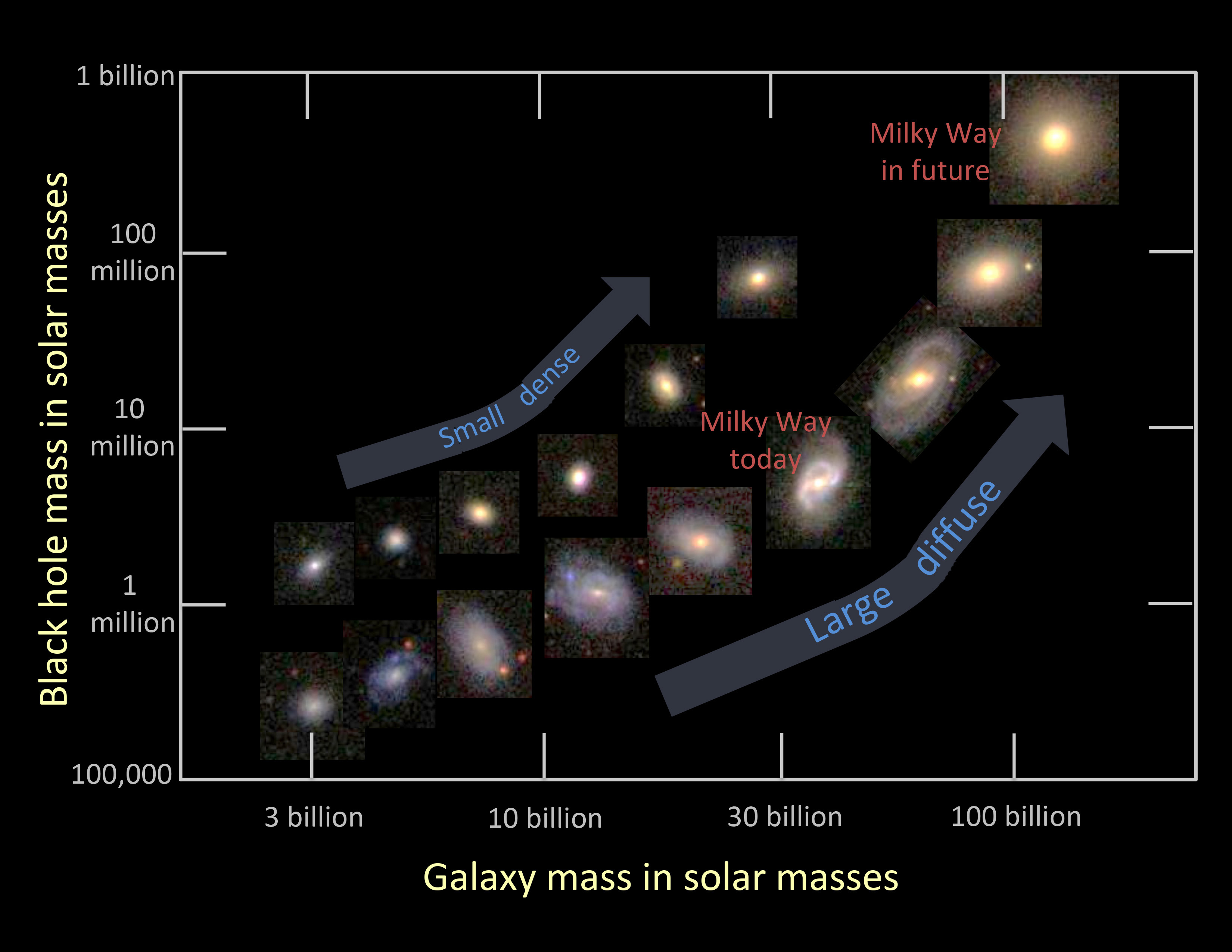
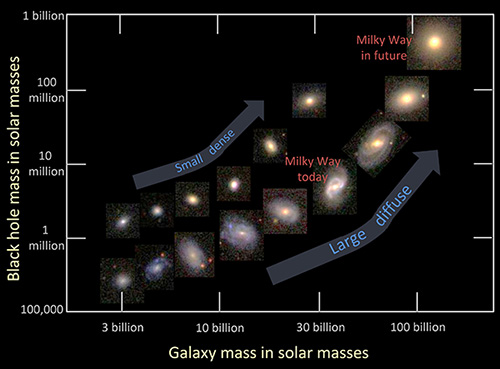
A new theory explains how black holes grow as a function of galaxy mass and eventually quench star formation in their host galaxies. The images on this graph, taken by the Sloan Digital Sky Survey, are of nearby galaxies at the present era chosen to represent galaxy evolution. The graph shows how the evolution of small, dense galaxies differs from that of larger, more diffuse galaxies. The denser galaxies have larger black holes for their mass and therefore quench sooner, at a lower mass, whereas the more diffuse galaxies have smaller black holes for their mass and must grow more before quenching occurs. See larger image. (Credit: Sandra Faber/Sofia Quiros/SDSS)

Astronomers studying galaxy evolution have long struggled to understand what causes star formation to shut down in massive ga...

Read More

New Antiplatelet Drug shows promise for treating Heart Attack

UIC’s Dr. Xiaoping Du oversees Ph.D. student Yaping Zhanga enter a sample in an aggregometer in his lab at the College of Medicine Research Building (Photo: Joshua Clark/University of Illinois at Chicago)

Peptide-derived nanoparticle shows promise in lab. Researchers at the University of Illinois at Chicago have developed a new drug that prevents blood clots without causing an increased risk of bleeding, a common side effect of all antiplatelet medications currently available.

A new study published in the journal Science Translational Medicine describes the drug and its delivery mechanisms and shows that the drug is also an effective treatment for heart attack in animal models.

Xiaoping Du, UIC professor of pharmacology and regenerative medicine at the College of Medicine, led ...

Read More