Milky Way could be Catapulting Stars into its Outer Halo

Milky Way could be catapulting stars into its outer halo, UCI astronomers say
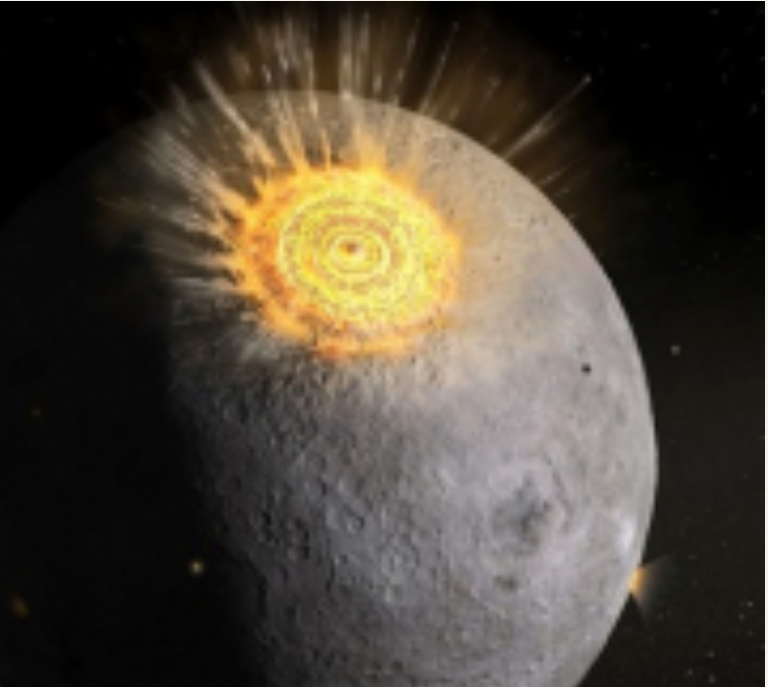
A simulated galaxy image from the FIRE-2 project, representing a structure spanning more than 200,000 light years, shows the prominent plumes of young blue stars born in gas that was originally rotating and then blown radially outward by supernova explosions. Courtesy of Sijie Yu / UCI

Findings may change fundamental thinking about star system formation, dynamics. University of California, Irvine astronomers and others have shown that clusters of supernovas can cause the birth of scattered, eccentrically orbiting suns in outer stellar halos, upending commonly held notions of how star systems have formed and evolved over billions of years.

Hyper-realistic, cosmologically self-consistent computer simulations from the Feedback in Realistic Environments 2 project enabled the scientists ...

Read More

Diagnostic Biosensor quickly detects SARS-CoV-2 from Nasopharyngeal Swabs

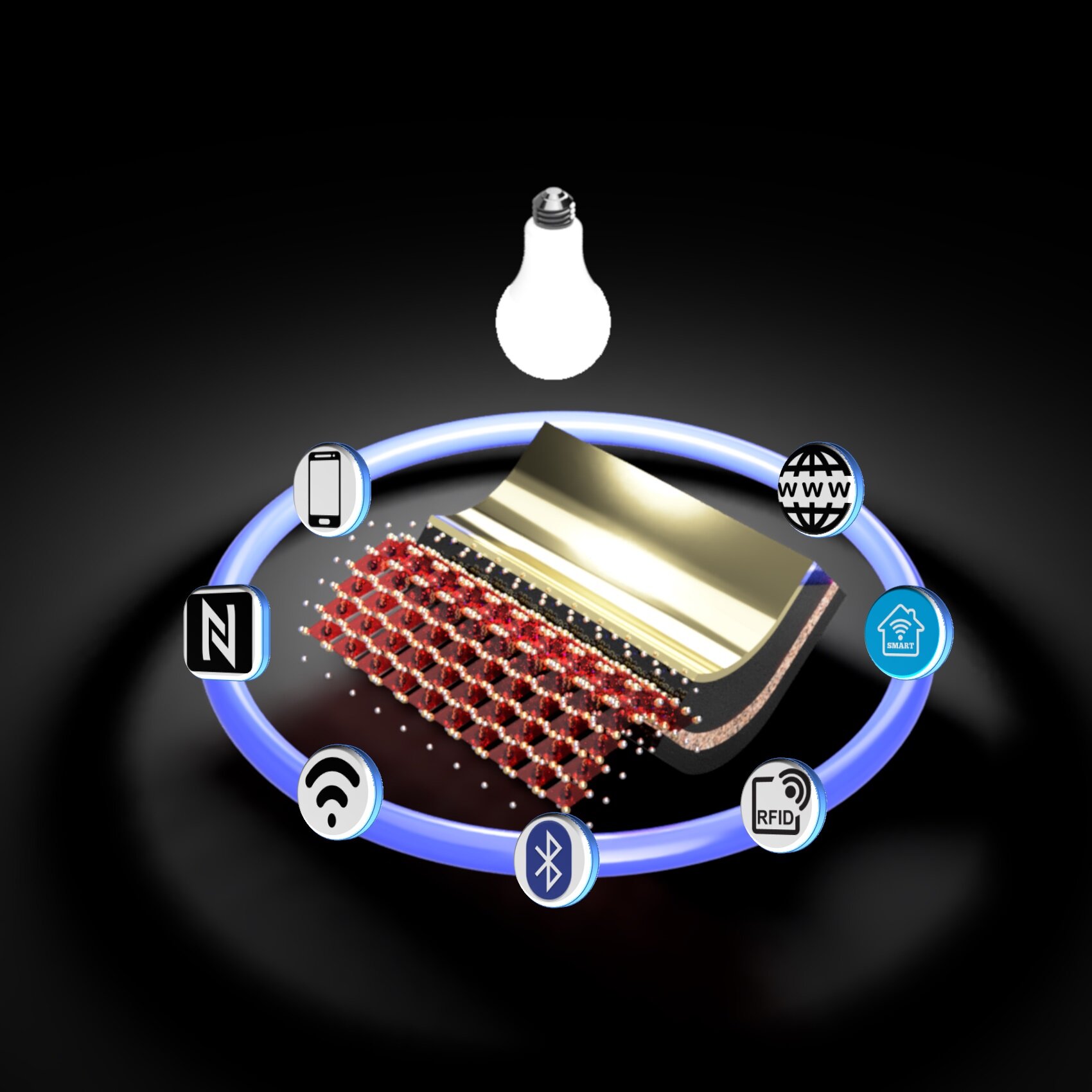
An artist’s rendering above shows a new test that quickly detects SARS-CoV-2 (spheres) through binding to antibodies (Y-shapes) on a field-effect transistor.
Adapted from ACS Nano 2020, DOI: 10.1021/acsnano.0c02823

Researchers have developed a field-effect transistor-based biosensor that detects SARS-CoV-2 in nasopharyngeal swabs from patients with COVID-19, in less than one minute.

According to many experts, early diagnosis and management are critical for slowing the spread of SARS-CoV-2, the new coronavirus that causes COVID-19. Therefore, the race is on to develop diagnostic tests for the virus that are faster, easier and more accurate than existing ones...

Read More

Researchers Identify Cells likely Targeted by COVID-19 virus

This scanning electron microscope image shows SARS-CoV-2 (orange)—also known as 2019-nCoV, the virus that causes COVID-19—isolated from a patient in the U.S., emerging from the surface of cells (green) cultured in the lab.
Credit: NIAID-RML

Study finds specific cells in the lungs, nasal passages, and intestines that are more susceptible to infection. Researchers at MIT; the Ragon Institute of MGH, MIT, and Harvard; and the Broad Institute of MIT and Harvard; along with colleagues from around the world have identified specific types of cells that appear to be targets of the coronavirus that is causing the Covid-19 pandemic.

Using existing data on the RNA found in different types of cells, the researchers were able to search for cells that express the two proteins that help the SARS-Co...

Read More

Milestone for the Early Detection of Sepsis

A team led by Christoph W. Sensen (right), head of the Institute of Computational Biotechnology at TU Graz, has succeeded in using biomarkers to diagnose sepsis 2 to 3 days before the first clinical symptoms appear. © Lunghammer – TU Graz (photo was made in 2017)

Researchers are developing a ground-breaking method that uses biomarkers to detect sepsis 2 to 3 days before the first clinical symptoms appear. This can significantly increase the chances of survival in cases of blood poisoning by bacteria or fungi.

Whether activating or silencing genes, breaking down defective cells or building new tissue, our body is constantly working to repair itself, even in cases of illness. To fight a disease, our body sends out signals, often long before we ourselves notice the disease...

Read More