Octopus-inspired Robot can grip, move, and manipulate a wide range of objects

Octopus robot grabs a crab
The soft robot is controlled with two valves, one to apply pressure for bending the arm and one for a vacuum that engages the suckers. By changing the pressure and vacuum, the arm can attach to any object, wrap around it, carry it, and release it.  (Video courtesy of the Bertoldi Lab/Harvard SEAS)

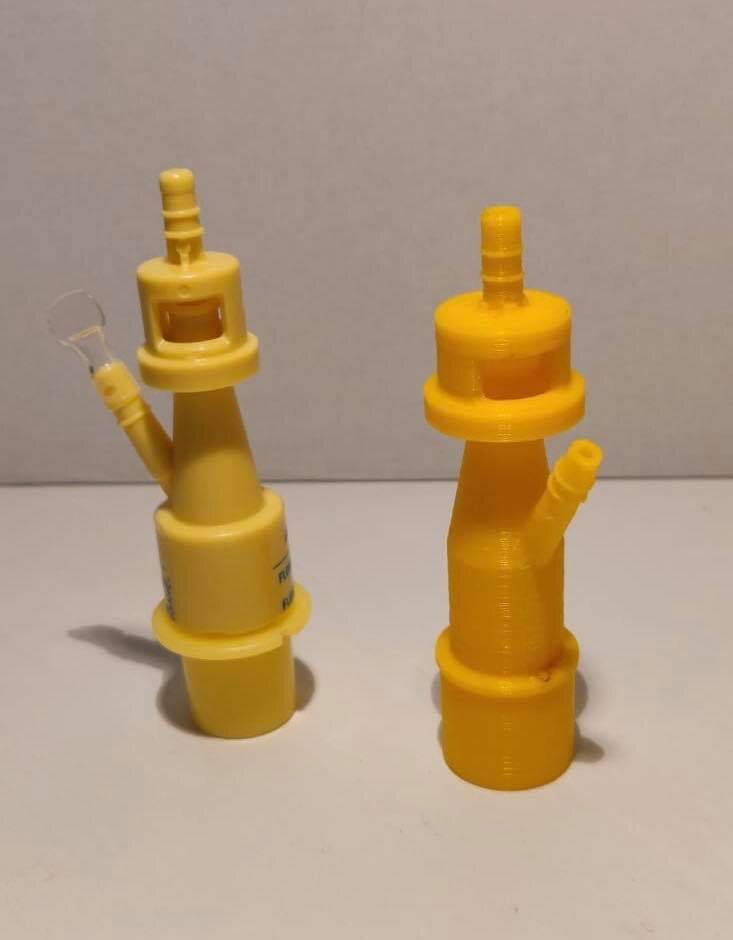
Researchers have developed an octopus-inspired soft robotic arm that can grip, move, and manipulate a wide range of objects. Its flexible, tapered design, complete with suction cups, gives the gripper a firm grasp on objects of all shapes, sizes and textures – from eggs to iPhones to large exercise balls.

Of all the cool things about octopuses (and there’s a lot), their arms may rank among the coolest...

Read More

Scientists find Link between Genes and Ability to Exercise

bmb-main-news-exercise-genes

 Effects of Germline VHL Deficiency on Growth, Metabolism, and Mitochondria. New England Journal of Medicine, 2020; 382 (9): 835 DOI: 10.1056/NEJMoa1907362

A team of researchers have discovered a genetic mutation that reduces a patient’s ability to exercise efficiently.

In a study published in The New England Journal of Medicine, a team including researchers from King’s College London have found a link between a genetic mutation that affects cellular oxygen sensing and a patient’s limited exercise capacity.

The team identified a patient who had a reduced rate of growth, persistent low blood sugar, a limited exercise capacity and a very high number of red blood cells.

The team carried out genetic and protein analysis of the patient, examined their respiratory physiolog...

Read More

Large Exoplanet could have the Right Conditions for Life

Nikku Madhusudhan et al. ‘The interior and atmosphere of the habitable-zone exoplanet K2-18b.’ The Astrophysical Journal Letters (2020). DOI: 10.3847/2041-8213/ab7229 

Astronomers have found an exoplanet more than twice the size of Earth to be potentially habitable, opening the search for life to planets significantly larger than Earth but smaller than Neptune.

A team from the University of Cambridge used the mass, radius, and atmospheric data of the exoplanet K2-18b and determined that it’s possible for the planet to host liquid water at habitable conditions beneath its hydrogen-rich atmosphere. The results are reported in The Astrophysical Journal Letters.

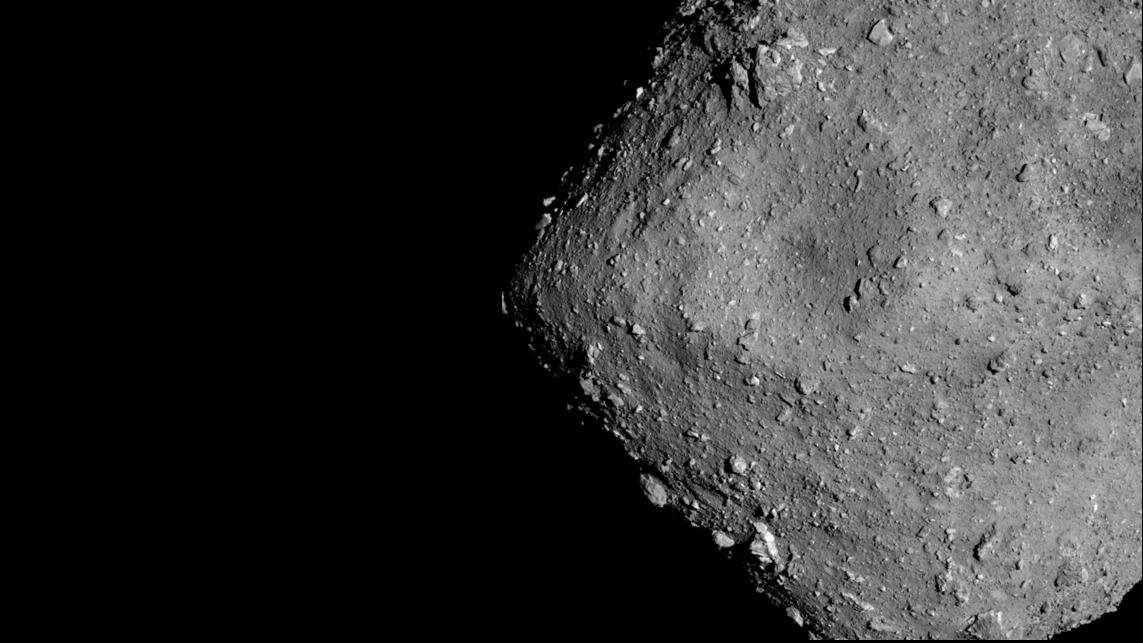
The exoplanet K2-18b, 124 light-years away, is 2.6 times the radius and 8...

Read More

New Bile Discovery will Rewrite Textbooks

Robert Quinn, assistant professor of biochemistry and molecular biology and Global Impact researcher.

Forget what you know about bile because that’s about to change, thanks to a new discovery made by Michigan State University and published in the current issue of Nature.

Much of our knowledge about bile hasn’t changed in many decades. It’s produced in the liver, stored in our gall bladder and injected into our intestine when we eat, where it breaks down fats in our gut. In fact, the first bile acid was discovered in 1848, and the scientists who revealed the structure of bile acids in 1928 won the Nobel Prize. That’s a long time ago.

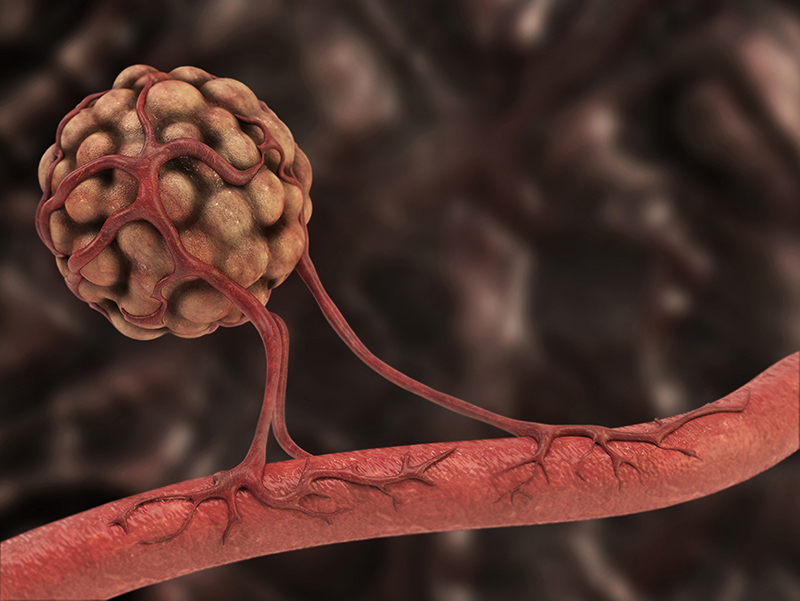
“Since then, our understanding of the chemistry of bile production in the liver was that the cholesterol backbone of the bile acid structure is lin...

Read More