‘Flapping Wings’ Powered by the Sun

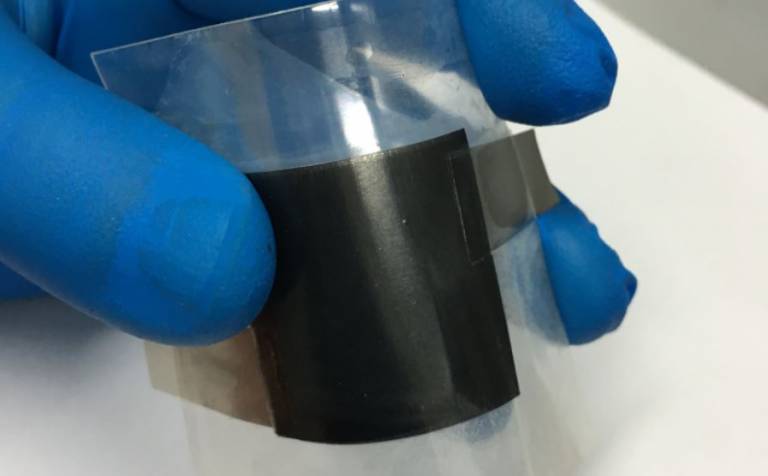
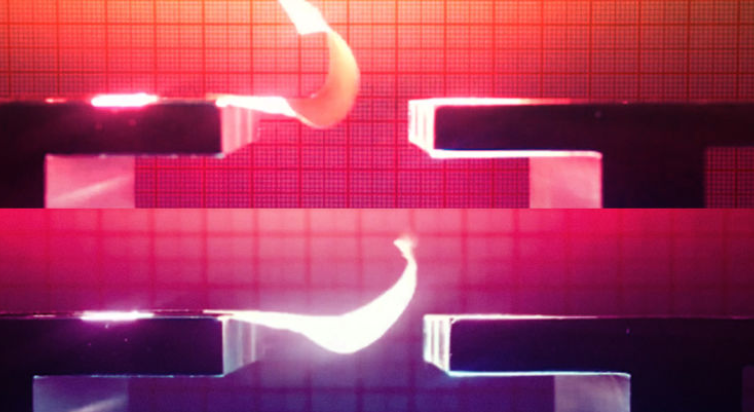
prototype flexible bio-butterfly-wing, or FBBW

In ancient Greek mythology, Icarus’ wax wings melted when he dared to fly too close to the sun. Now, researchers reporting in ACS Applied Materials & Interfaces have made artificial wings that are actually powered by the sun. The tiny wings, which can flap even faster than those of butterflies, could someday be used in robots or devices for solar energy harvesting, the researchers say.

Light-driven actuators – devices that convert light directly into mechanical work – have attracted attention because they are wireless and easy to control. However, to keep going, they usually require a high-intensity light source that can be turned on and off, or additional hardware...

Read More
First Research results on the ‘Spectacular Meteorite Fall’ of Flensburg

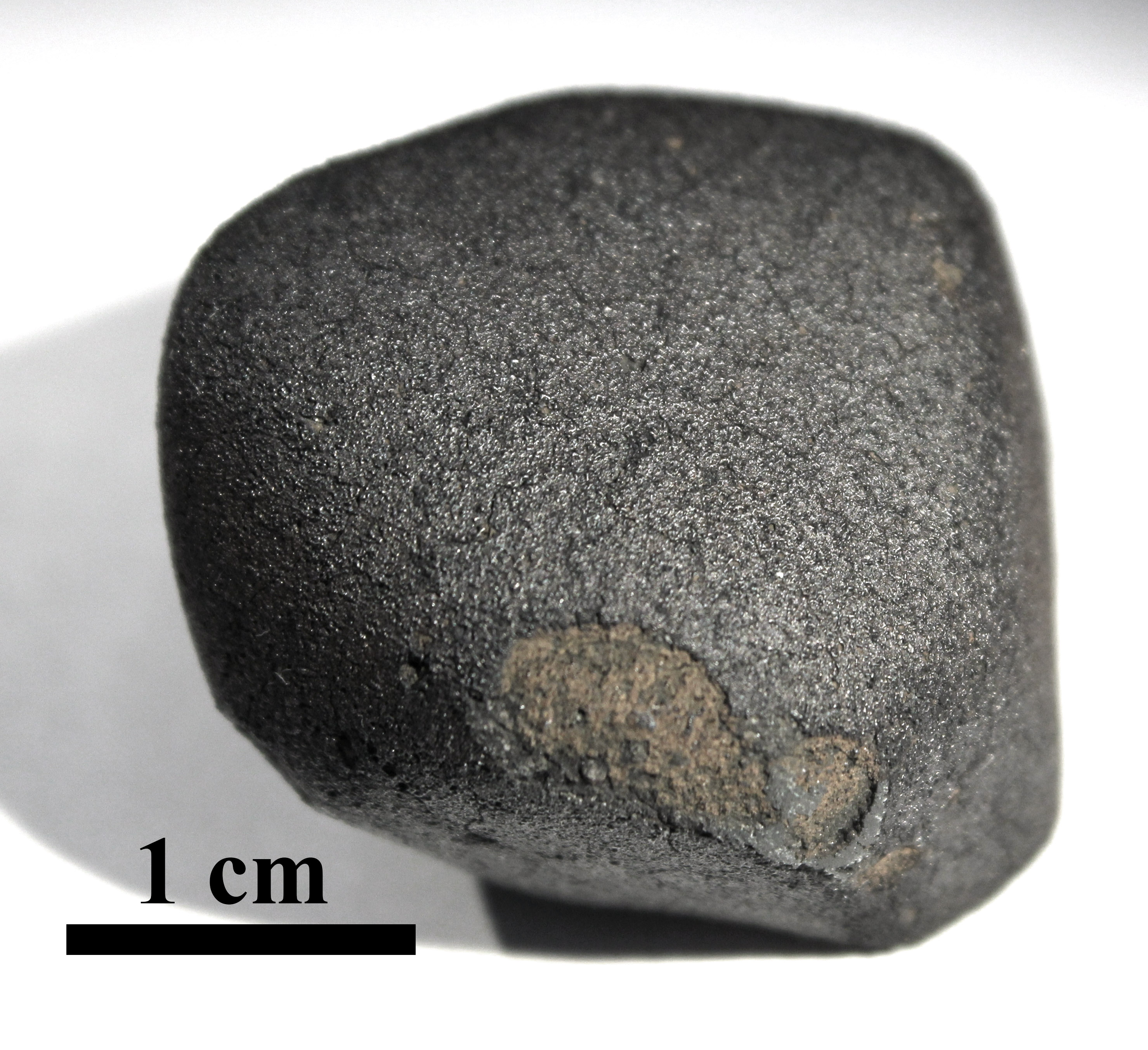
The meteorite “Flensburg” in close-up view© Markus Patzek

A fireball in the sky, accompanied by a bang, amazed hundreds of eyewitnesses in northern Germany in mid-September last year. The reason for the spectacle was a meteoroid entering the Earth’s atmosphere and partially burning up. One day after the observations, a citizen in Flensburg found a stone weighing 24.5 grams and having a fresh black fusion crust on the lawn of his garden.

Dieter Heinlein, coordinator of the German part of the European Fireball Network at the German Aerospace Center in Augsburg, directly recognized the stone as a meteorite and delivered the rock to experts at the “Institut für Planetologie” at Münster University (Germany). Prof...

Read More

B cells may travel to Remote Areas of the Brain to improve Stroke Recovery

New UK research reveals that B cells may travel to remote areas of the brain to improve recovery after a stroke.

New University of Kentucky research shows that the immune system may target other remote areas of the brain to improve recovery after a stroke.

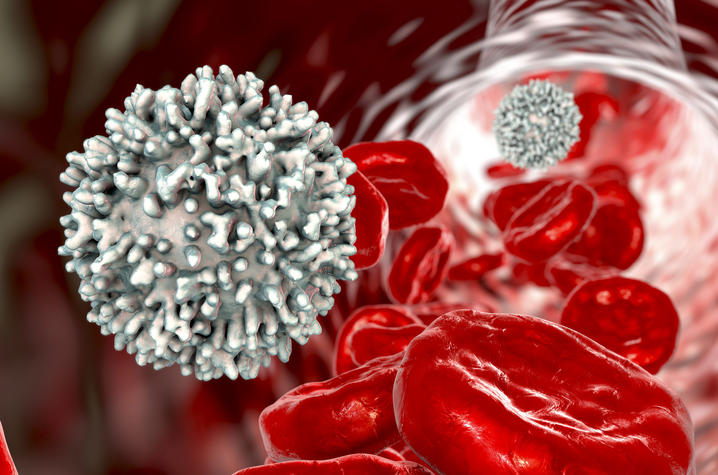
The study in mice, published in PNAS by researchers from UK’s College of Medicine, University of Texas Southwestern Medical Center and University of Pennsylvania reveals that after a stroke, B cells migrate to remote regions of the brain that are known to generate new neuronal cells as well as regulate cognitive and motor functions.

B cells can produce neurotrophins that regulate the development and growth of neurons in the brain...

Read More

Fast-charging, long-running, Bendy Energy Storage Breakthrough

bendy supercapacitor
Tuning the interlayer spacing of graphene laminate films for efficient pore utilization towards compact capacitive energy storageNature Energy, 2020; DOI: 10.1038/s41560-020-0560-6

A new bendable supercapacitor made from graphene, which charges quickly and safely stores a record-high level of energy for use over a long period, has been developed. While at the proof-of-concept stage, it shows enormous potential as a portable power supply in several practical applications including electric vehicles, phones and wearable technology.

The discovery, published today in Nature Energy, overcomes the issue faced by high-powered, fast-charging supercapacitors — that they usually cannot hold a large amount of energy in a small space.

First author of the study, Dr Zhuangnan Li (UCL Chemi...

Read More