


Taking the Temperature of Dark Matter

Astronomical image
This image from the Hubble Space Telescope shows lensing of distant galaxies by gravity. UC Davis astronomers are using this phenomenon to learn more about the properties of dark matter.

Warm, cold, just right? Physicists at the University of California, Davis are taking the temperature of dark matter, the mysterious substance that makes up about a quarter of our universe.

We have very little idea of what dark matter is and physicists have yet to detect a dark matter particle. But we do know that the gravity of clumps of dark matter can distort light from distant objects. Chris Fassnacht, a physics professor at UC Davis and colleagues are using this distortion, called gravitational lensing, to learn more about the properties of dark matter.

The standard model for dark matter is ...

Read More
Activation of a distinct Genetic Pathway can Slow the Progress of Metastatic Breast Cancer

CancverResearch_RobinA_Pic

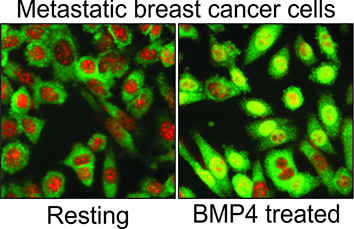
In a study published today in the international journal, Cancer Research a journal of the American Association for Cancer Research, investigators at the Olivia Newton-John Cancer Research Institute (the La Trobe University School of Cancer Medicine) have shown that when the protein bone morphogenetic protein-4 (BMP4) is switched off, breast cancer can become more aggressive. BMP4 is active during fetal development and is maintained during adulthood in some healthy organs, including the breast.

In this study, led by investigators Dr Bedrich Eckhardt (a Susan G Komen Postdoctoral Fellow) and Prof Robin Anderson (Head of the Translational Breast Cancer Program), it was hypothesised that restoring BMP4 activity would block the ability of breast tumours to metastasise.

“At its core, ...

Read More

Billions of Quantum Entangled Electrons found in ‘Strange Metal’

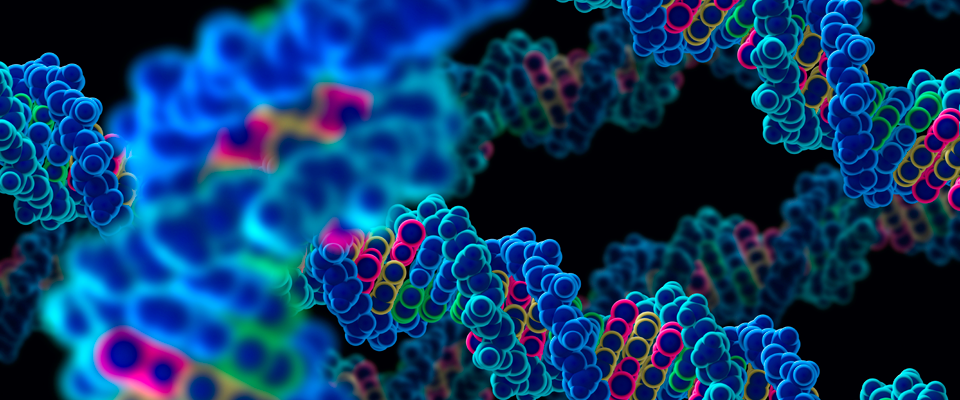
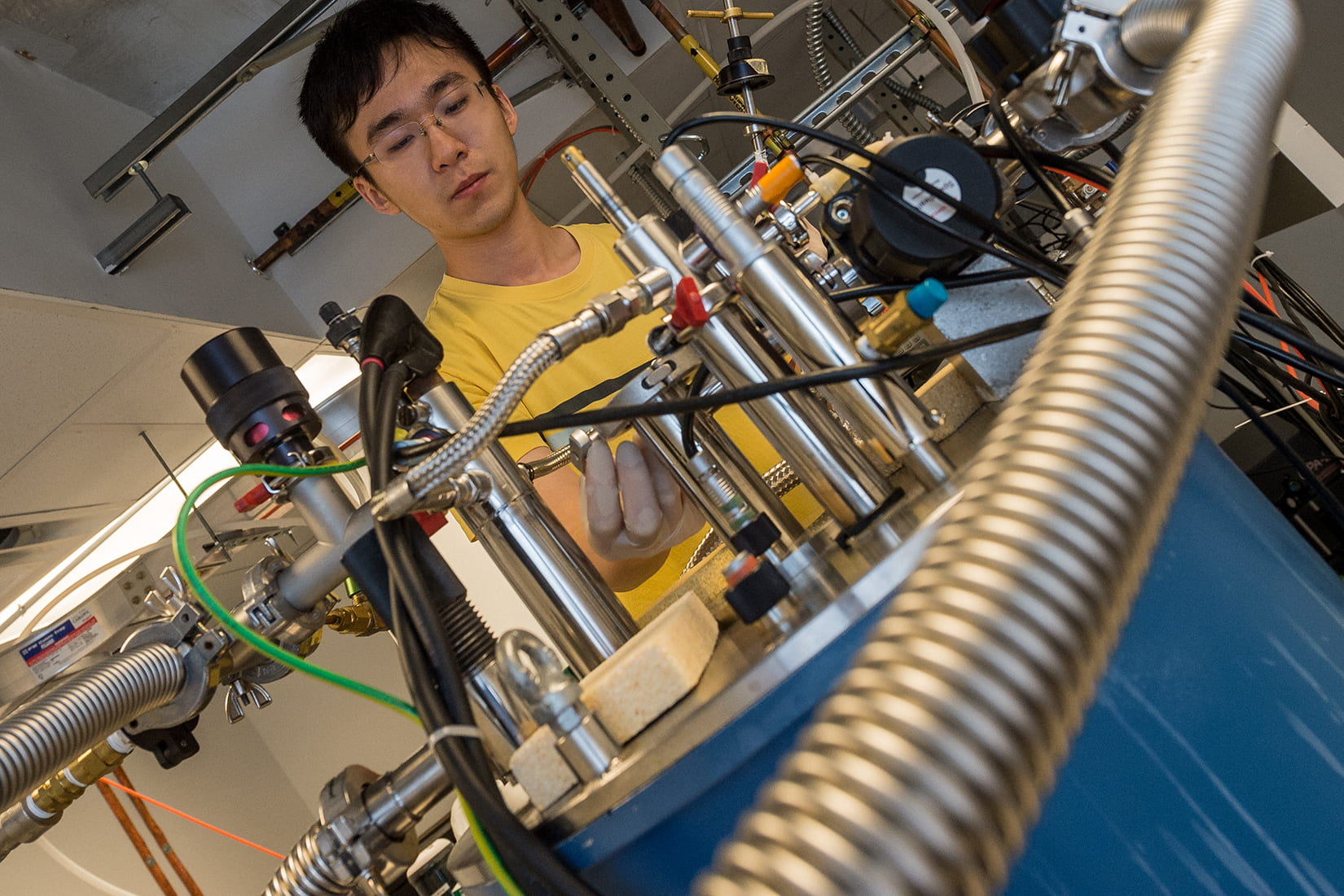
Former Rice University graduate student Xinwei Li in 2016 with the terahertz spectrometer he later used to measure entanglement in the conduction electrons flowing through a “strange metal” compound of ytterbium, rhodium and silicon. (Photo by Jeff Fitlow/Rice University)

In a new study, U.S. and Austrian physicists have observed quantum entanglement among “billions of billions” of flowing electrons in a quantum critical material.

The research, which appears this week in Science, examined the electronic and magnetic behavior of a “strange metal” compound of ytterbium, rhodium and silicon as it both neared and passed through a critical transition at the boundary between two well-studied quantum phases.

The study at Rice University and Vienna University of Technology (TU Wien...

Read More

When the Milky Way Collided with Dwarf Galaxy Gaia-Enceladus

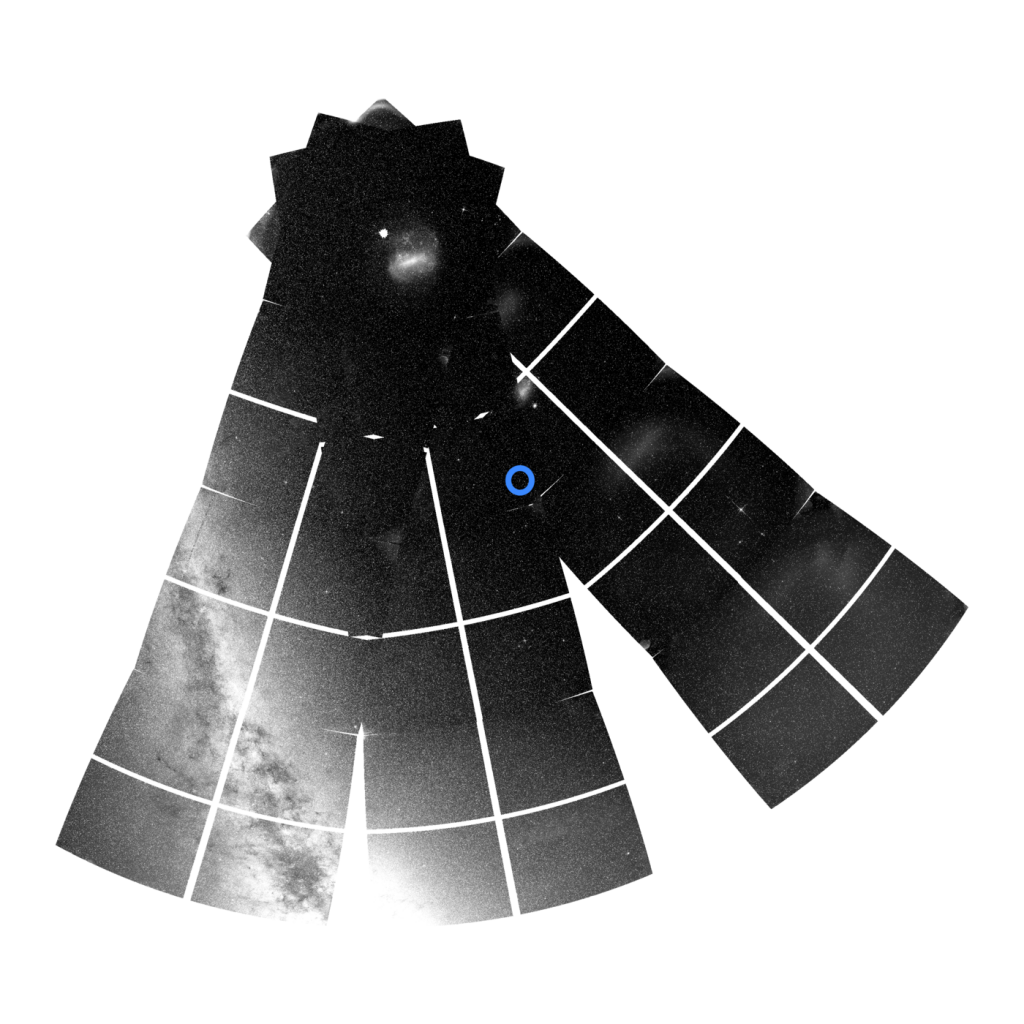
A snapshot from TESS of part of the southern sky showing the location of ν Indi (blue circle), the plane of the Milky Way (bottom left) and the southern ecliptic pole (top). These snapshots come from data collected in TESS observing sectors 1, 12 and 13.
[less]
© J. T. Mackereth

The dwarf galaxy Gaia-Enceladus collided with the Milky Way probably approximately 11.5 billion years ago. A team of researchers including scientists from the Max Planck Institute for Solar System Research in Germany for the first time used a single star affected by the collision as a clue for dating...

Read More