



Scientists find Urine Test could offer a non-invasive approach for diagnosis of IBS

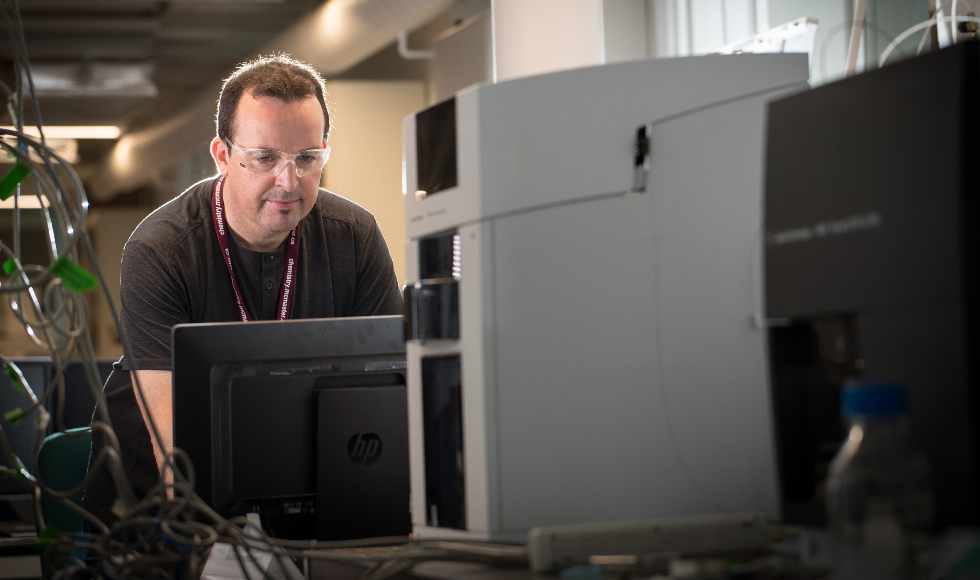
Philip Britz-McKibbin in his lab. Photo by JD Howell.

Scientists at McMaster University have identified new biomarkers for Irritable Bowel Syndrome (IBS) in urine, which could lead to better treatments and reduce the need for costly and invasive colonoscopy procedures currently used for diagnosis.

Little is known about the causes of IBS, a chronic and often debilitating gastrointestinal disorder which affects hundreds of thousands of Canadians in which diagnosis is complicated, patients experience a vast spectrum of symptoms and treatment options are limited.

“Diagnostic testing for IBS involves a long process of excluding other related gut disorders, such as inflammatory bowel disease,” explains Philip Britz-McKibbin, lead author of the study and a professor in McMaster’s Depa...

Read More
Window Film Could Even out the Indoor Temperature using Solar Energy

Image showing the technology
The molecule captures energy from the sun and releases it later as heat. Illustration: Yen Strandqvist / Chalmers

A window film with a specially designed molecule could be capable of taking the edge off the worst midday heat and instead distributing it evenly from morning to evening. The molecule has the unique ability to capture energy from the sun’s rays and release it later as heat. This is shown by researchers at Chalmers University of Technology, Sweden, in the scientific journal Advanced Science.

On sunny summer days it can be little short of unbearable to stay indoors or in cars. The heat radiates in and creates an unpleasantly high temperature for people, animals and plants...

Read More

Black Hole brings down Curtain on Jellyfish Galaxy’s Star Turn

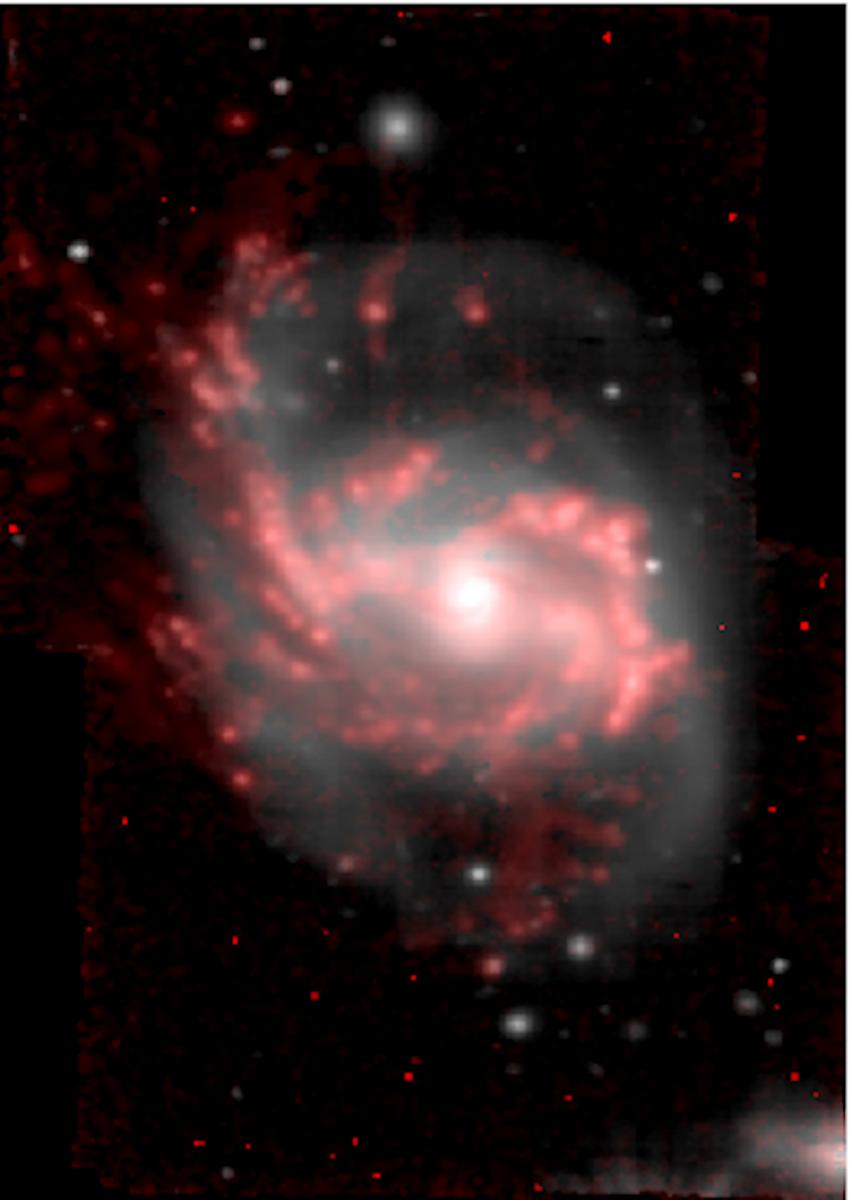
Jellyfish galaxy JO201. Credit: Callum Bellhouse and the GASP collaboration

Astronomers have studied the role of an excited black hole in the death of an exotic ‘jellyfish’ galaxy. The supermassive black hole at the center of jellyfish galaxy JO201 is stripping away gas and throwing it out into space, accelerating suppression of star formation and effectively ‘killing’ the galaxy.

Jellyfish galaxies are spectacular objects that undergo a dramatic process of transformation as they plunge through the dense core of a galaxy cluster at supersonic speeds. External drag forces tear away the galaxy’s gas, in a process known as ram-pressure stripping, leaving extended tentacles of trailing material.

The fate of JO201 has been revealed as part of a study of 114 jellyfish galaxies by th...

Read More

Imprinted Spheres Fight Breast Cancer

Imprinted Spheres Fight Breast Cancer - Inhibition of HER2 on tumor cells by molecularly imprinted nanoparticles
Inhibition of HER2-Positive Breast Cancer Growth by Blocking the HER2 Signaling Pathway with HER2-Glycan-Imprinted Nanoparticles. Angewandte Chemie International Edition, 2019; DOI: 10.1002/anie.201904860

Inhibition of HER2 on tumor cells by molecularly imprinted nanoparticles. A particularly aggressive, metastasizing form of cancer, HER2-positive breast cancer, may be treated with nanoscopic particles “imprinted” with specific binding sites for the receptor molecule HER2. As reported by Chinese researchers in the journal Angewandte Chemie, the selective binding of the nanoparticles to HER2 significantly inhibits multiplication of the tumor cells.

Breast cancer is the most common form of cancer in women and one of the leading causes of death...

Read More