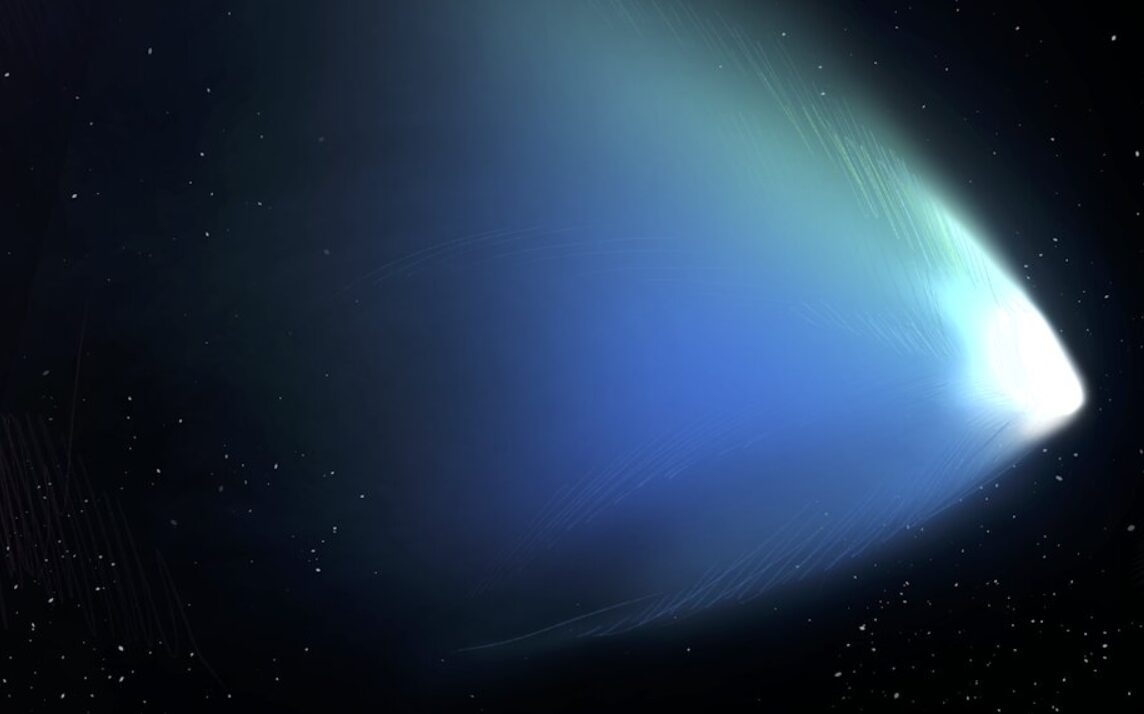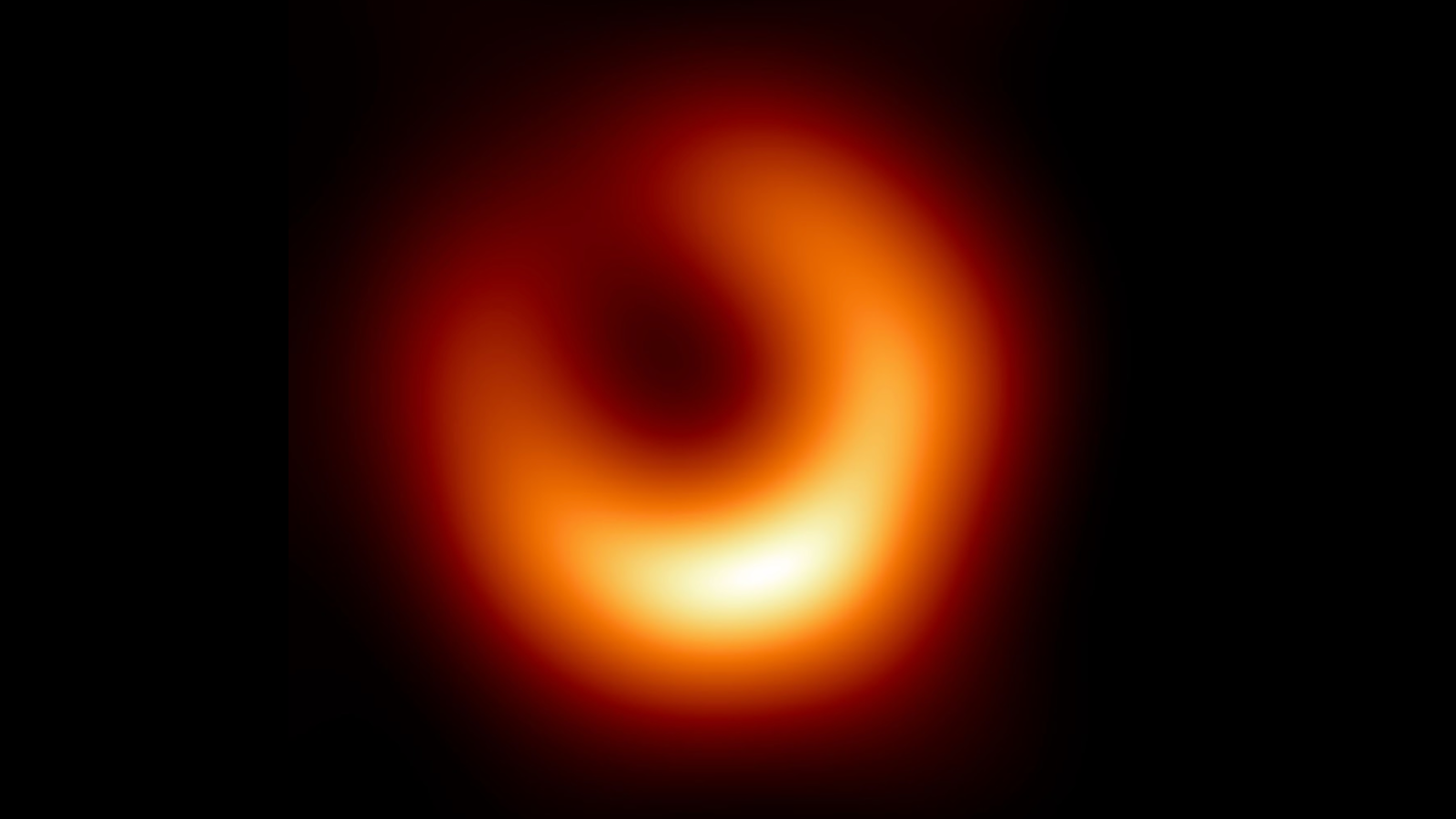
New theory suggests star mergers produce universe’s highest-energy particles

Ultrahigh Energy Cosmic Rays are the highest-energy particles in the universe, whose energies are more than a million times what can be achieved by humans. But while the existence of UHECRs has been known for 60 years, researchers have not succeeded in formulating a satisfactory explanation for their origin that explains all the observations.

But a new theory introduced by New York University physicist Glennys Farrar provides a viable and testable explanation for how UHECRs are created.

“After six decades of effort, the origin of the mysterious highest-energy particles in the universe may finally have been identified,” says Farrar, a Collegiate Professor of Physics and Julius Silver, Rosalind S. Silver, and Enid Silver Winslow Professor at NYU...

Read More

Cell-permeable peptide shows promise in nerve cell regeneration

Research team unlocks clues to repairing damaged nerves
Expression of G3BP1 acidic domain in CNS neurons facilitates axon regeneration. Credit: Proceedings of the National Academy of Sciences (2025). DOI: 10.1073/pnas.2411811122

Each year, according to the National Institutes of Health (NIH), millions of people in the U.S. are affected by spinal cord and traumatic brain injuries, along with neuro-developmental and degenerative diseases such as ADHD, autism, cerebral palsy, Alzheimer’s disease, multiple sclerosis, epilepsy and Parkinson’s disease.

Assistant Professor Pabitra Sahoo, of Rutgers University-Newark’s Department of Biological Sciences, has made it his life’s work to understand how our neurological system becomes damaged by these injuries and conditions, and when and how neurons in our central and peripheral nervous systems re...

Read More

Graphyne’s transformation: A new carbon form with potential for electronics

Scalable synthesis and characterization of new carbon crystals with a small direct band gap
Orthogonal to sheet plane views of AA, AB1, AB2, and ABC stacking arrangements for graphyne. Only the AA and AB1 packing modes are consistent with the interplanar reaction of triple bonds to form polyacetylene chains in reacted graphyne. Credit: Proceedings of the National Academy of Sciences (2025). DOI: 10.1073/pnas.2413194122

Graphyne is a crystalline form of carbon that is distinct from both diamond and graphite. Unlike diamond, where each atom possesses four immediate neighbors, or graphite, where each atom has three, graphyne’s structure combines two-coordinate and three-coordinate carbons.

Computational models suggest that graphyne has highly compelling electronic, mechanical and optical properties...

Read More

Can we find floating vegetation on ocean planets?

An illustration depicting seasonal changes in floating vegetation and the resulting periodic changes in water surface reflectance. It is expected to become a novel indicator in searching for life on ocean planets.(credit: Astrobiology Center)

Recent advances in astronomical observations have found a significant number of extrasolar planets that can sustain surface water, and the search for extraterrestrial life on such planets is gaining momentum. A team of astrobiologists has proposed a novel approach for detecting life on ocean planets. By conducting laboratory measurements and satellite remote sensing analyses, they have demonstrated that the reflectance spectrum of floating vegetation could serve as a promising biosignature...

Read More