Simulation Sheds Light on Earth’s Magnetic Field Generation while Advancing Neuromorphic Computing

New simulation method sharpens our view into the Earth’s interior—method could advance neuromorphic computing for AI
Structure of the Earth. Credit: B. Schröder/HZDR/NASA/Goddard Space Flight Center Scientific Visualization Studio

How does the Earth generate its magnetic field? While the basic mechanisms seem to be understood, many details remain unresolved. A team of researchers from the Center for Advanced Systems Understanding at the Helmholtz-Zentrum Dresden-Rossendorf, Sandia National Laboratories (U.S.) and the French Alternative Energies and Atomic Energy Commission has introduced a simulation method that promises new insights into the Earth’s core.

The method, presented in the Proceedings of the National Academy of Sciences, simulates not only the behavior of atoms, but also the magnetic properties of materials...

Read More

Breakthrough in Zinc-based Rechargeable Batteries: A safer, sustainable alternative

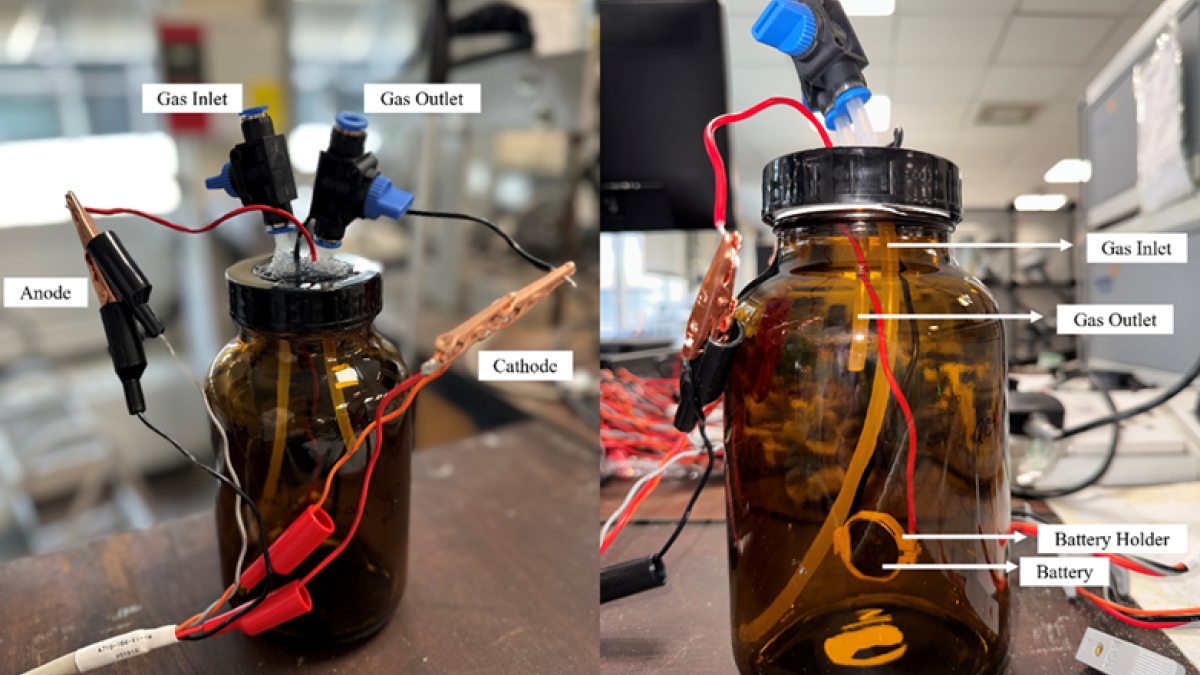
Case Western Reserve University researcher advances zinc-sulfur battery technology. Rechargeable lithium-ion batteries power everything from electric vehicles to wearable devices. But new research from Case Western Reserve University suggests that a more sustainable and cost-effective alternative may lie in zinc-based batteries.

In a study published recently in Angewandte Chemie, researchers announced a significant step toward creating high-performance, low-cost zinc-sulfur batteries.

“This research marks a major step forward in the development of safer and more sustainable energy storage solutions,” said Chase Cao, a principal investigator and assistant professor of mechanical and aerospace engineering at Case School of Engineering...

Read More

Planets Form through Domino Effect

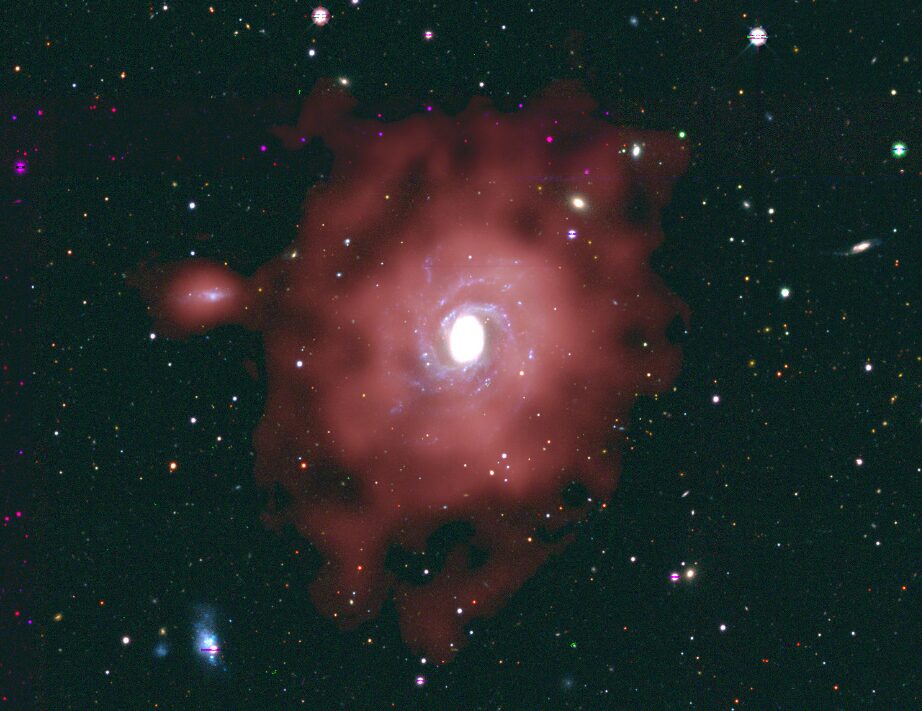
New radio astronomy observations of a planetary system in the process of forming show that once the first planets form close to the central star, these planets can help shepherd the material to form new planets farther out. In this way each planet helps to form the next, like a line of falling dominos each triggering the next in turn.

To date over 5000 planetary systems have been identified. More than 1000 of those systems have been confirmed to host multiple planets. Planets form in clouds of gas and dust known as protoplanetary disks around young stars. But the formation process of multi-planet systems, like our own Solar System, is still poorly understood.

The best example object to study multi-planet system formation is a young star known as PDS 70, located 367 light years a...

Read More

Your Immune Cells are what they Eat

Two T cells whose nutritional choices have changed their identity. On the left, a blue T cell prefers acetate and is active, able to continue fighting. On the right, a red T cell prefers citrate and is exhausted, no longer able to fight effectively.
Click here for a high-resolution image.
Credit: Salk Institute

Salk scientists establish novel Link between cell nutrition and identity, say targeting nutrient-dependent activity could improve immunotherapies.

The decision between scrambled eggs or an apple for breakfast probably won’t make or break your day. However, for your cells, a decision between similar microscopic nutrients could determine their entire identity...

Read More