






Painless skin patch offers new way to monitor immune health

Painless skin patch offers new way to monitor immune health
Sasan Jalili holds the microneedle skin patch, which is about the size of a quarter. Credit: The Jackson Laboratory

Researchers at The Jackson Laboratory (JAX), in collaboration with the Massachusetts Institute of Technology (MIT), have developed the first bandage-like microneedle patch that can sample the body’s immune responses painlessly from the skin. The device detects inflammatory signals within minutes and collects specialized immune cells within hours without the need for blood draws or surgical biopsies.

Already, the patch is helping researchers and clinicians study immune responses in aging and skin autoimmunity, including vitiligo and psoriasis...

Read More

Jupiter’s moons may have formed with the ingredients for life

An international team that included Southwest Research Institute has shown how complex organic molecules (COMs), considered essential chemical precursors to life, may have become part of Jupiter’s four largest moons as they formed. The results appear in companion papers published in The Planetary Science Journal and Monthly Notices of the Royal Astronomical Society. Together, the studies shed new light on how the ingredients for life could have reached the Jovian system.

COMs are carbon based molecules that also contain elements such as oxygen and nitrogen, which are necessary for living systems...

Read More

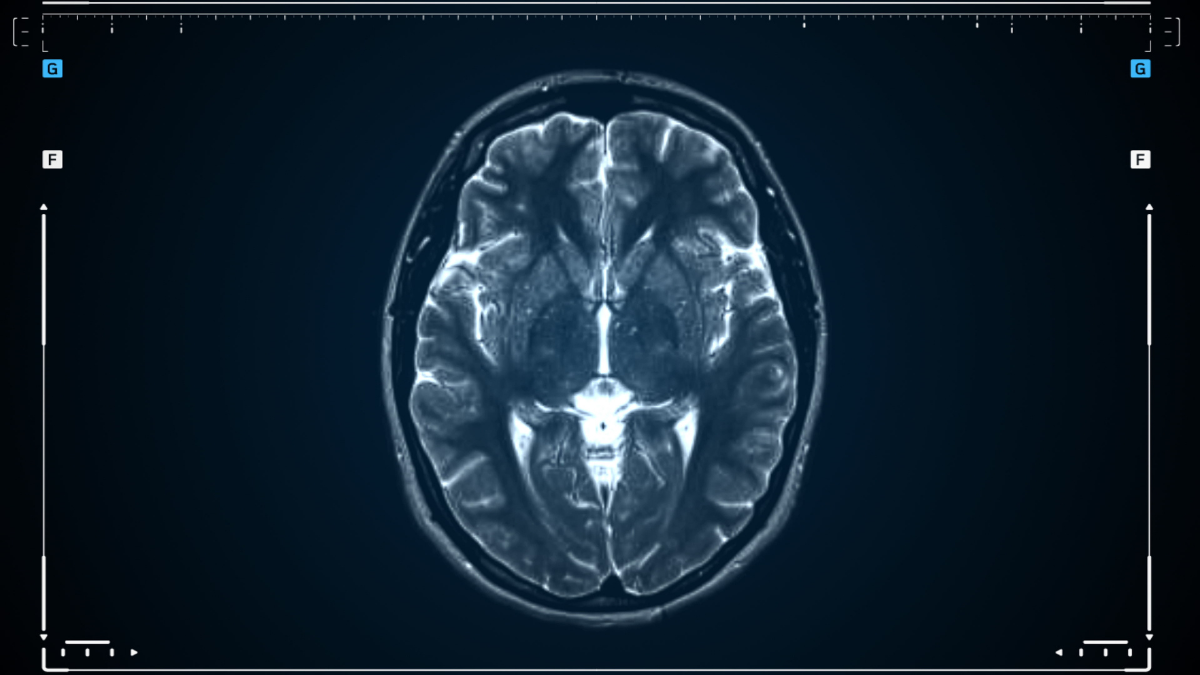
Foundation AI model uses MRI data to predict multiple brain disorders

The BrainIAC platform, available to the research community on www.brainiac-platform.com. Credit: Nature Neuroscience (2026). DOI: 10.1038/s41593-026-02202-6

Artificial intelligence (AI) systems are computational models that can learn to identify patterns in data, make accurate predictions or generate content (e.g., texts, images, videos or sound recordings). These models can reliably complete various tasks and are now also used to carry out research rooted in different fields.

Over the past few decades, some AI models have proved promising for the early diagnosis and study of specific diseases or neuropsychiatric conditions...

Read More

How an overlooked electrostatic force could drive the motor of the future

An overlooked electrostatic force drives the motor of the future
Prototype plastic ferroelectric motor (Left: angled view; Right: bottom view with the lower electrode removed to reveal the resin rotor) Credit: Professor Suzushi Nishimura

When we hear about moving objects with electricity, most of us imagine a “pulling force.” Positive and negative charges attract each other, drawing objects together. It is natural to think that this attractive force—known as electrostatic force—is what makes things move.

However, this force is not very strong, and it has not been suitable for driving large machines in our daily lives. For that reason, most practical motors rely on a different mechanism. For example, the motors in electric fans and electric vehicles do not use electricity directly to create motion...

Read More