Gut Bioelectricity provides a Path for ‘Bad’ Bacteria to Cause Diseases

The electrical field-guided migration of S. Typhimurium as shown by immunostaining

Study discovers an electric current in the gut that attracts pathogens like Salmonella. Researchers have discovered a novel bioelectrical mechanism that pathogens like Salmonella use to find entry points in the gut lining that would allow pathogens to pass and cause infection.

How do bad bacteria find entry points in the body to cause infection?

This question is fundamental for infectious disease experts and people who study bacteria. Harmful pathogens, like Salmonella, find their way through a complex gut system where they are vastly outnumbered by good microbes and immune cells. Still, the pathogens navigate to find vulnerable entry points in the gut that would allow them to invade and infect the body.

A team of UC Davis Health researchers has discovered a novel bioelectric...

Read More

Spectacular Increase in the Deuterium/ Hydrogen Ratio in Venus’ Atmosphere

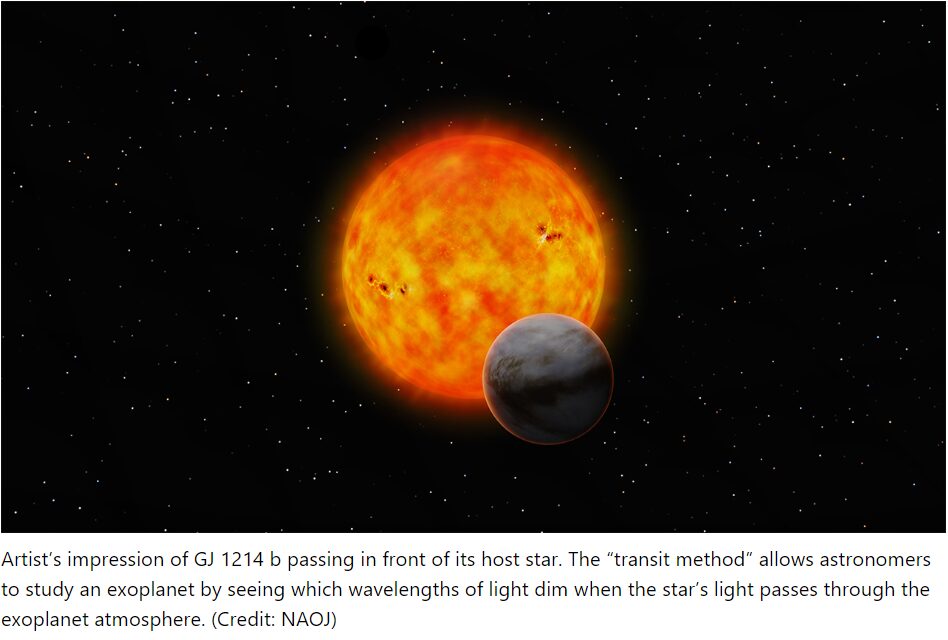
Thanks to observations by the Solar Occultation in the Infrared (SOIR) instrument on the Venus Express space probe of the European Space Agency (ESA), researchers have discovered an unexpected increase in the abundances of two water molecule variants — H2O and HDO — and their ratio HDO/H2O in Venus’ mesosphere. This phenomenon challenges our understanding of Venus’ water history and the potential that it was once habitable in the past.

Currently, Venus is a dry, hostile planet. Venus has pressures nearly 100 times higher than Earth and temperatures around 460°C. Its atmosphere, covered by thick clouds of sulphuric acid and water droplets, is extremely dry.

Most water is found below and within these cloud layers...

Read More

Gut Microbial Pathway identified as Target for Improved Heart Disease Treatment

...
Topological designation of the secondary structure of β2AR. The figure displays the overlap of the secondary structures of the 4 crystal structures of β2AR used in this study.

Cleveland Clinic researchers have made a significant discovery about how the gut microbiome interacts with cells to cause cardiovascular disease. The study published in Nature Communications found that phenylacetylglutamine (PAG), produced by gut bacteria as a waste product, then absorbed and formed in the liver, interacts with previously undiscovered locations on beta-2 adrenergic receptors on heart cells once it enters the circulation.

PAG was shown to interact with beta-2 adrenergic receptors to influence how forcefully the heart muscle cells contract—a process that investigators believe contributes to he...

Read More

Australia Green Lights World’s ‘Largest’ Solar Hub

Australia solar hub
Map showing SunCable’s Australia-Asia PowerLink renewable energy project from Australia’s Northern Territory to Darwin and Singapore via a high voltage direct current (HVDC) transmission system.

Australia on Wednesday approved plans for a massive solar and battery farm that would export energy to Singapore, a project it calls the “largest solar precinct in the world”.

Authorities announced environmental approvals for SunCable’s US$24 billion project in Australia’s remote north that is slated to power 3million homes.

The project, which will include an array of panels, batteries and, eventually, a cable linking Australia with Singapore, is backed by tech billionaire and green activist Mike Cannon-Brookes.

“It will be the largest solar precinct in the world –- and heralds Austral...

Read More