To raise new questions, new possibilities, to regard old problems from a new angle, requires creative imagination and marks real advance in science.
~Albert Einstein
Read More
Old Newtonian physics claimed that things have an objective reality separate from our perception of them. Quantum physics, and particularly Heisenberg's Uncertainty Principle, reveal that, as our perception of an object changes, the object itself literally changes.
~Marianne Williamson
Read More
A dendrite—an extension of a neuron—from a 12-month-old human cerebral cortex neuron, grown from human stem cells and transplanted into a mouse cerebral cortex. Two human-specific genes, SRGAP2B and SRGAP2C, were turned off, causing the neuron’s synapses to mature faster. The number of small protrusions on the dendrite, called dendritic spines, resembles what is typically seen in a five to ten-year-old child. Credit: Baptiste Libé-Philippot, 2024
The human brain’s remarkably prolonged development is unique among mammals and is thought to contribute to our advanced learning abilities. Disruptions in this process may explain certain neurodevelopmental diseases.
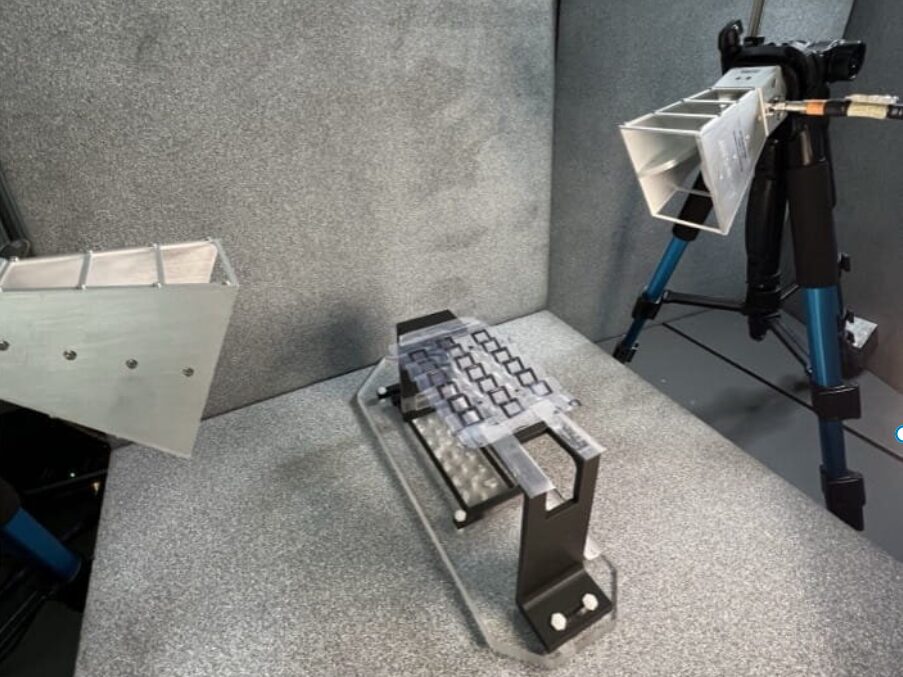
The future of wireless technology—from charging devices to boosting communication signals—relies on the antennas that transmit electromagnetic waves becoming increasingly versatile, durable and easy to manufacture. Researchers at Drexel University and the University of British Columbia believe kirigami, the ancient Japanese art of cutting and folding paper to create intricate three-dimensional designs, could provide a model for manufacturing the next generation of antennas.
Recently published in the journal Nature Communications, research from the Drexel-UBC team showed how kirigami—a variation of origami—can transform a single sheet of acetate coated with conductive MXene ink into a flexible 3D microwave antenna whose transmission frequency can be adju...
An animated OSIRIS-REx leaves the Bennu asteroid Credit: NASA
The OSIRIS-REx project made history last year as the first U.S. mission to bring back an asteroid sample from space—and with it came a treasure trove of data. An international collaboration, led by Sandia National Laboratories and including researchers at Los Alamos National Laboratory, has published a study in The Planetary Science Journal that reveals the preliminary findings from the capsule’s reentry.
The return of the OSIRIS-REx capsule was the largest geophysical observation campaign of its kind. “This project was a unique opportunity for us to observe the geophysical signals produced by a meter-sized object traveling at hypersonic speeds,” said Chris Carr, the lead author at Los Alamos National Lab...
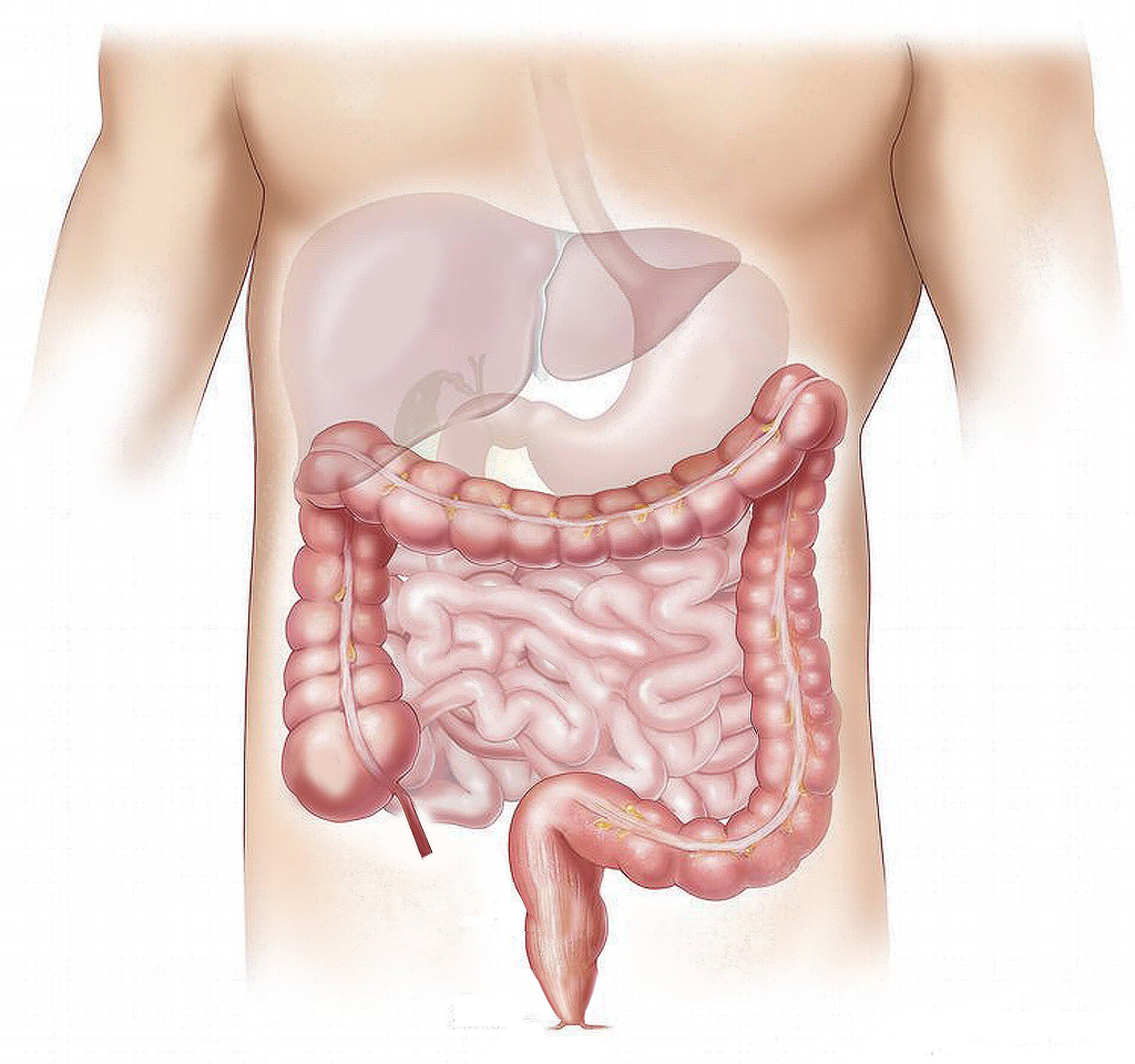
Cutting-edge research has uncovered how chronic stress disrupts the balance of gut microbiota to speed up the progression of colorectal cancer (CRC), opening new avenues for CRC prevention and treatment.
By eliminating certain gut bacteria and inducing stress, researchers were able to conclude a relationship between stress and gut microbiota in the progression of CRC, identifying a particular bacterial species as a potential therapeutic target.
Presenting the study at UEG Week 2024, lead researcher Dr...












Recent Comments