Common Antibiotic may be Helpful in Fighting Respiratory Viral Infections

Transparent human head illustration with nasal cavity highlighted.
(© stock.adobe.com)

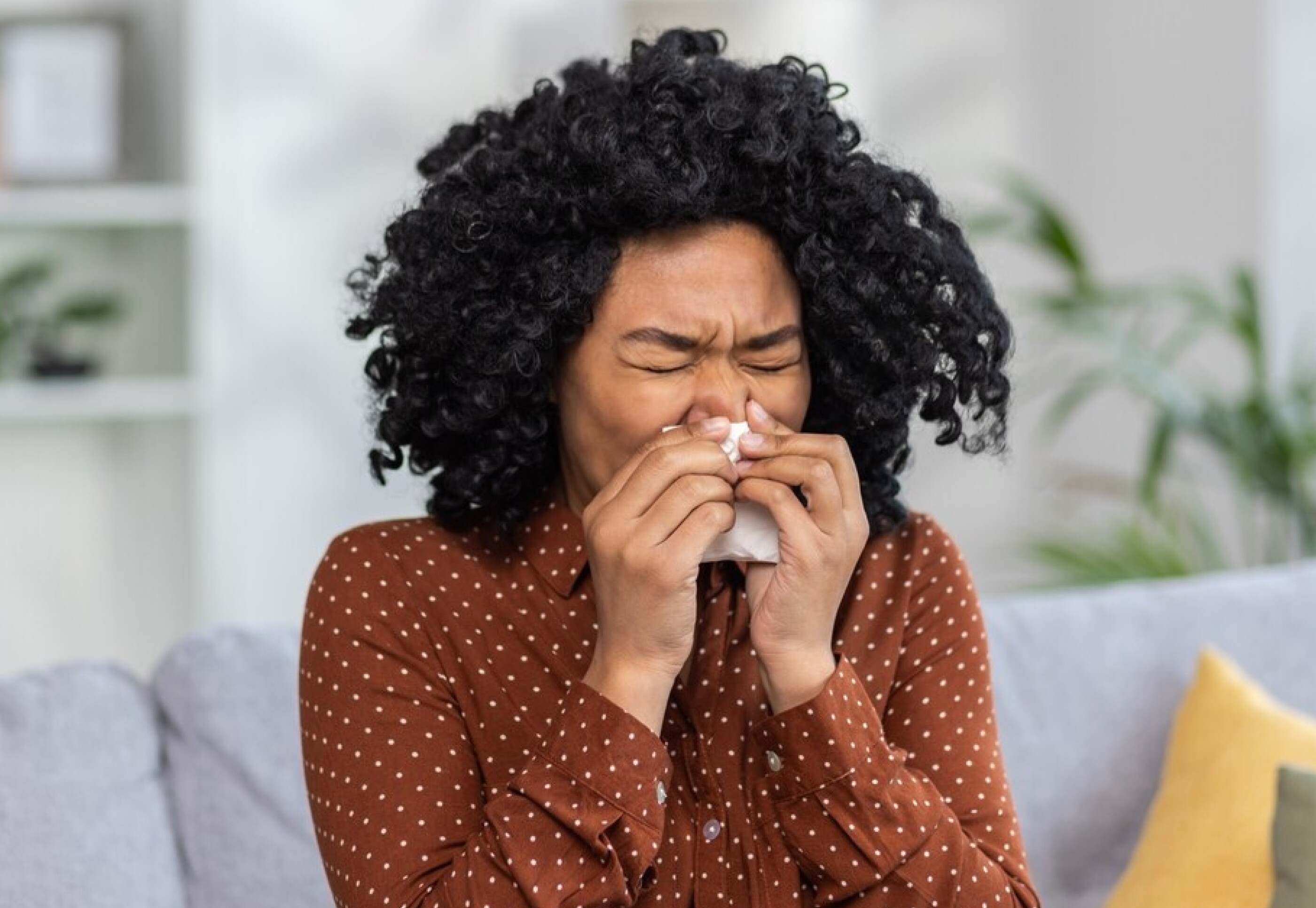
A new, Yale-led study suggests that a range of respiratory viral infections—including COVID-19 and influenza—may be preventable or treatable with a generic antibiotic that is delivered to the nasal passageway.

A team led by Yale’s Akiko Iwasaki and former Yale researcher Charles Dela Cruz successfully tested the effectiveness of neomycin, a common antibiotic, to prevent or treat respiratory viral infections in animal models when given to the animals via the nose. The team then found that the same nasal approach—this time applying the over-the-counter ointment Neosporin—also triggers a swift immune response by interferon-stimulated genes (ISGs) in the noses of healthy humans.

The findings were published in the journal Proceedings of the National Academ...

Read More

DeFake Tool Protects Voice Recordings from Cybercriminals

voice
Credit: Pixabay/CC0 Public Domain

In what has become a familiar refrain when discussing artificial intelligence (AI)-enabled technologies, voice cloning makes possible beneficial advances in accessibility and creativity while also enabling increasingly sophisticated scams and deepfakes. To combat the potential negative impacts of voice cloning technology, the U.S. Federal Trade Commission (FTC) challenged researchers and technology experts to develop breakthrough ideas on preventing, monitoring and evaluating malicious voice cloning.

Ning Zhang, an assistant professor of computer science and engineering in the McKelvey School of Engineering at Washington University in St. Louis, was one of three winners of the FTC’s Voice Cloning Challenge announced April 8...

Read More

Simulated Microgravity Affects Sleep and Physiological rhythms

Simulated effects of microgravity significantly affect rhythmicity and sleep in humans, a new study from the University of Surrey finds. Such disturbances could negatively affect the physiology and performance of astronauts in space.

Previous findings have shown that astronauts exposed to microgravity, simulated via 60 days of constant bed rest at a six-degree head-down tilt angle, experience changes to physiology, including immune suppression, increased inflammation, and reduced muscle mass and bone density. However, a less-studied aspect of physiology concerning the effects of microgravity is sleep and biological rhythms.

Lead author Dr María-Ángeles Bonmatí-Carrión, a post-doctoral researcher at the University of Surrey (currently at CIBERFES (Carlos III Health Institute), Un...

Read More

AI and Physics Combine to Reveal the 3D Structure of a Flare Erupting around a Black Hole

Scientists believe the environment immediately surrounding a black hole is tumultuous, featuring hot magnetized gas that spirals in a disk at tremendous speeds and temperatures. Astronomical observations show that within such a disk, mysterious flares occur up to several times a day, temporarily brightening and then fading away.

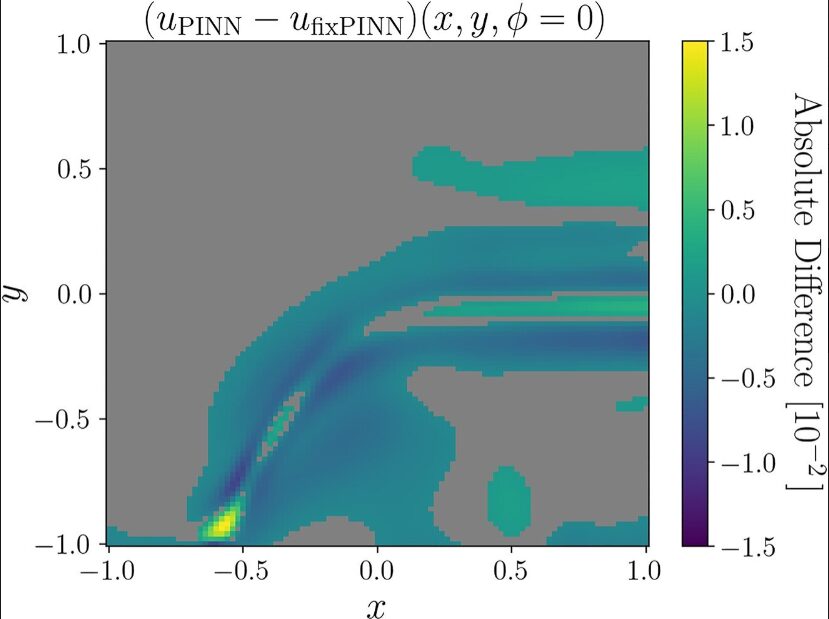
Now a team led by Caltech scientists has used telescope data and an artificial intelligence (AI) computer-vision technique to recover the first three-dimensional video showing what such flares could look like around SagittariusA* (Sgr A*) the supermassive black hole at the heart of our own Milky Way galaxy.

The 3D flare structure features two bright, compact features located about 75 million kilometers (or half the distance between Earth and the sun) fro...

Read More