‘Bouncing’ Comets could deliver Building Blocks for Life to Exoplanets

Artist's impression of a meteor hitting Earth

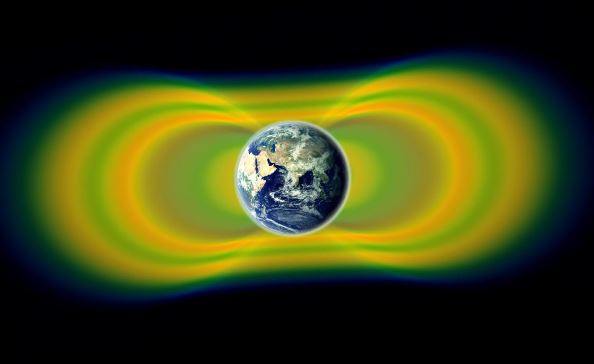
How did the molecular building blocks for life end up on Earth? One long-standing theory is that they could have been delivered by comets. Now, researchers from the University of Cambridge have shown how comets could deposit similar building blocks to other planets in the galaxy.

In order to deliver organic material, comets need to be travelling relatively slowly – at speeds below 15 kilometres per second. At higher speeds, the essential molecules would not survive – the speed and temperature of impact would cause them to break apart.

The most likely place where comets can travel at the right speed are ‘peas in a pod’ systems, where a group of planets orbit closely together...

Read More

Scientists discover key to a Potential Natural Cancer Treatment’s Potency

The Wertheim UF Scripps Institute is home to one of the world's largest and most historic collections of microbial natural products.
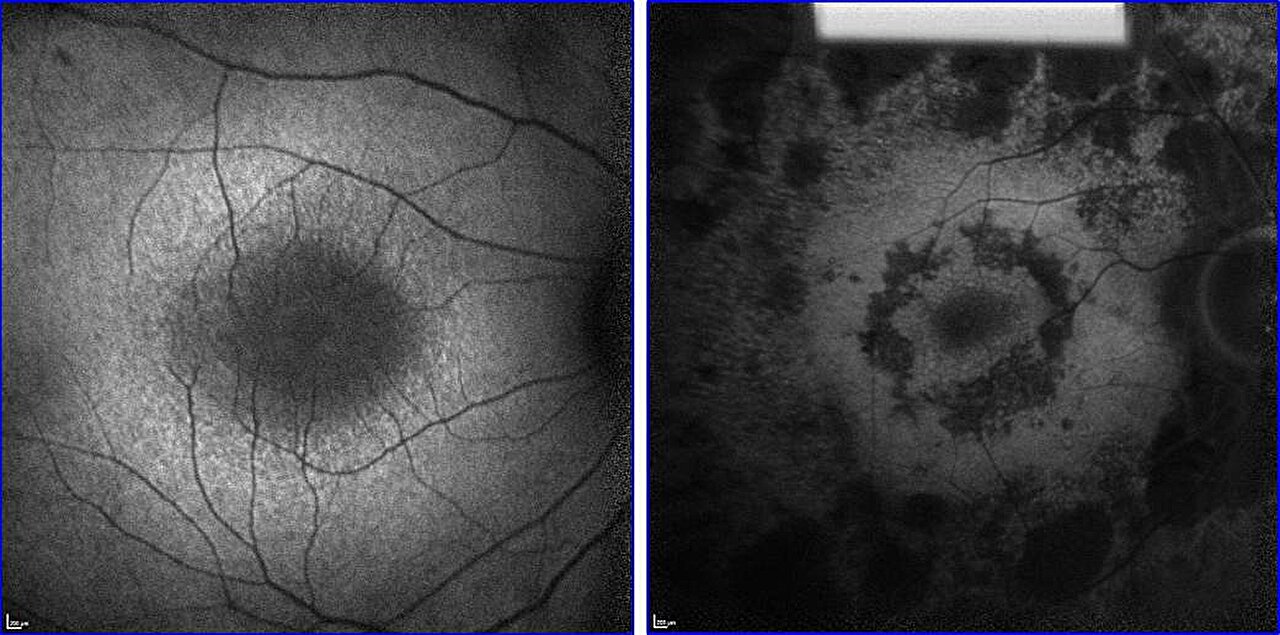
Within the glass vials of the Natural Products Discovery Center at The Herbert Wertheim UF Scripps Institute for Biomedical Innovation & Technology, scientists have discovered two useful new enzymes which may help them create medicines for cancer and other conditions.

Natural products collection reveals novel enzymes with surprising properties. Scientists have discovered two enzymes that enable bacteria to target and break up DNA. This chemical defense likely evolved to help the organism fight off germs. The chemical riches were found within the institute’s one-of-a-kind Natural Products Discovery Center collection.

Slumbering among thousands of bacterial strains in a collection of natural specimens at The Herbert Wertheim UF Scripps Institute for Biomedical Innovation & Technology,...

Read More

Integrated Circuits based on a 2D Semiconductor Operating at GHz Frequencies

Integrated circuits based on a 2D semiconductor operating at GHz frequencies
High-performance MoS2 ring oscillator based on air-gap device structures. Credit: Fan et al

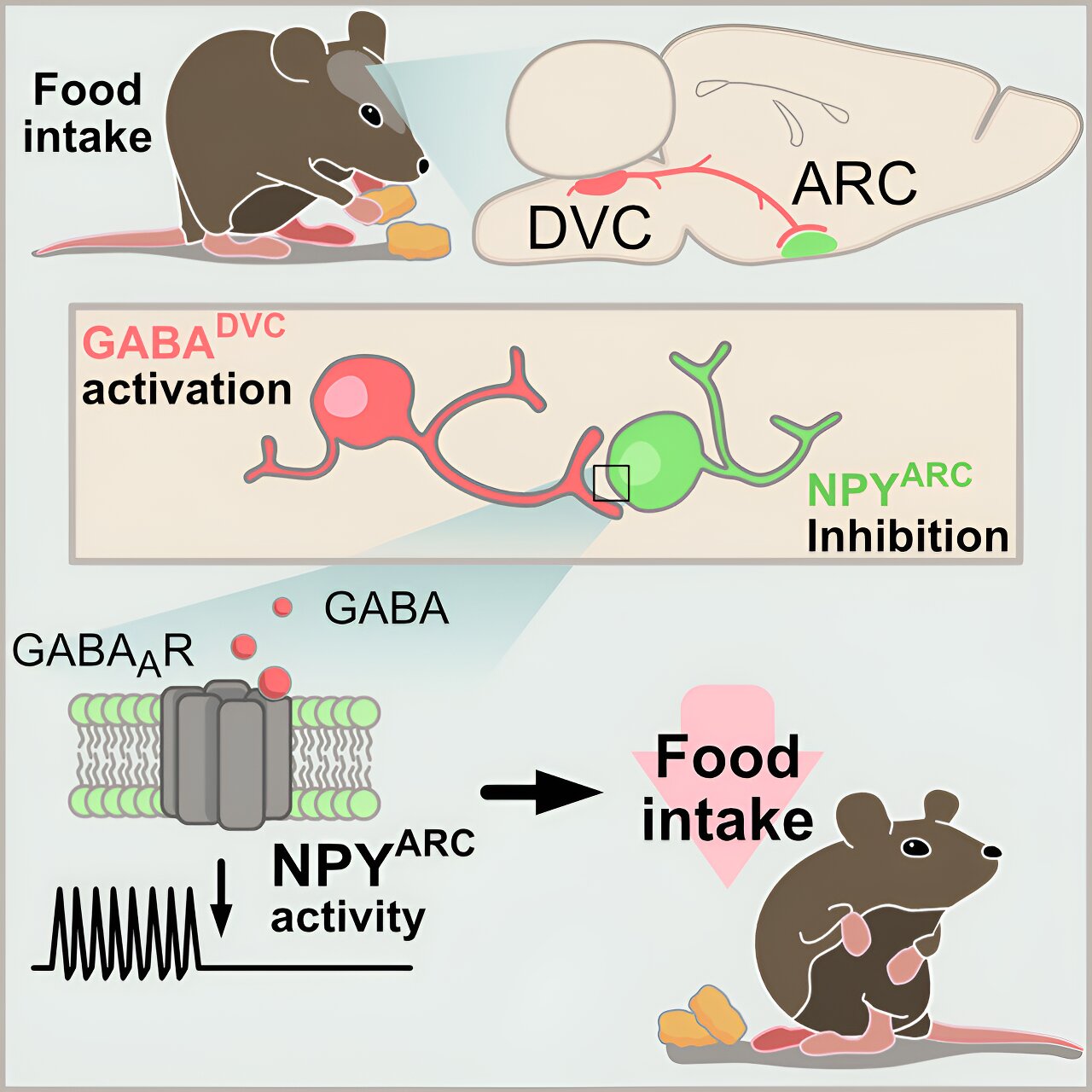
Transistors are crucial electronic components that regulate, amplify and control the flow of current inside most existing devices. In recent years, electronics engineers have been trying to identify materials and design strategies that could help to further improve the performance of transistors, while also reducing their size.

Two-dimensional (2D) transition metal dichalcogenides have some advantageous properties that could help to enhance the capabilities of transistors. While past studies have demonstrated the potential of these materials in individual transistors, their use for developing entire integrated circuits (ICs) that operate at high frequencies has proved challenging.

Researc...

Read More

Galactic ‘Lightsabers’: Answering Longstanding Questions about Jets from Black Holes

1. A simple black hole model.
To test the connection between black hole images and energy flow around black holes, the team used both simple models of a glowing ring of gas (left) and full 3D supercomputer simulations (right). By verifying that the connection between the spiral of polarization in the images persisted in both cases, they established that it could be potentially be used with real images of black holes from the Event Horizon Telescope (EHT) to test if magnetic fields are extracting energy and spinning down the black hole.
Images by Andrew Chael, George Wong, Alexandru Lupsasca and Eliot Quataert, Princeton Gravity Initiative
2. A 3D supercomputer simulation of M87*

The one thing everyone knows about black holes is that absolutely everything nearby gets sucked into them.

A...

Read More