








- Immune changes could signal inflammatory bowel disease up to 10 years before diagnosis
- Mini brain organoids ‘read’ braille in key step toward biohybrid computing
- Salt crystals could hold clues to life beneath Enceladus’s ice
- Quantum magic state cleanup cuts errors 40-fold in first successful hardware test
Neurobiologists Uncover how Stress turns into Fear in the Brain in Conditions such as PTSD
March 18, 2024,
 Biology/Biotechnology, Health/Medical
Our nervous systems are naturally wired to sense fear. Whether prompted by the eerie noises we hear alone in the dark or the approaching growl of a threatening animal, our fear response is a survival mechanism that tells us to remain alert and avoid dangerous situations.Read More
Intel introduces approach to Boost Power Efficiency, Reliability of Packaged Chiplet Ecosystems
March 18, 2024,
Physics, Technology/Electronics
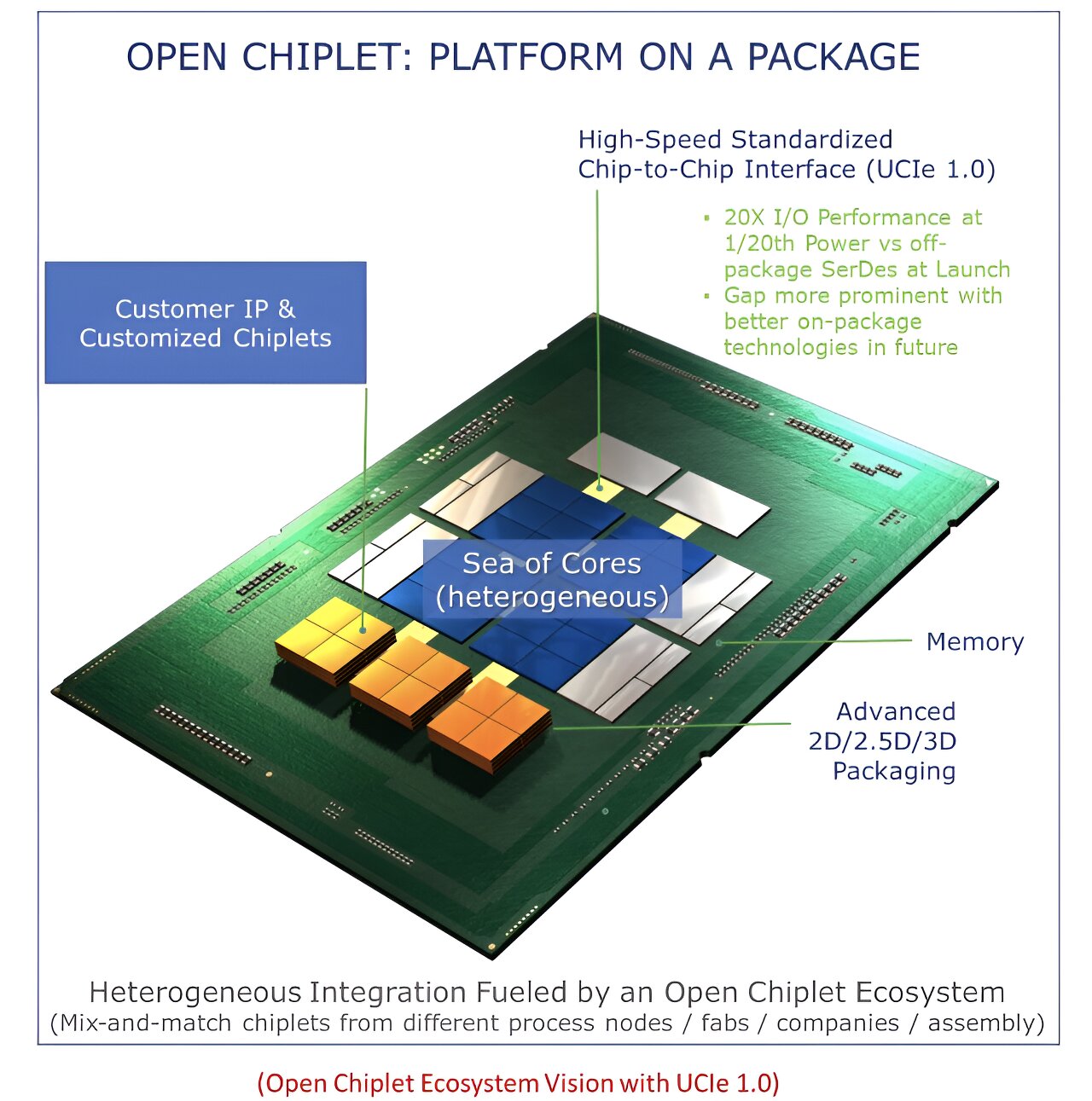
The integration of electronic chips in commercial devices has significantly evolved over the past decades, with engineers devising various integration strategies and solutions. Initially, computers contained a central processor or central processing unit (CPU), connected to memory units and other components via traditional communication pathways, known as front-side-bus (FSB) interfaces.
Technological advances, however, have enabled the development of new integrated circuit (IC) architectures relying on multiple chiplets and more sophisticated electronic components. Intel Corporation played a crucial role in these developments, by introducing new architectures and specifications for the design of systems with multiple packaged chiplets.
Researchers at Int...
Read More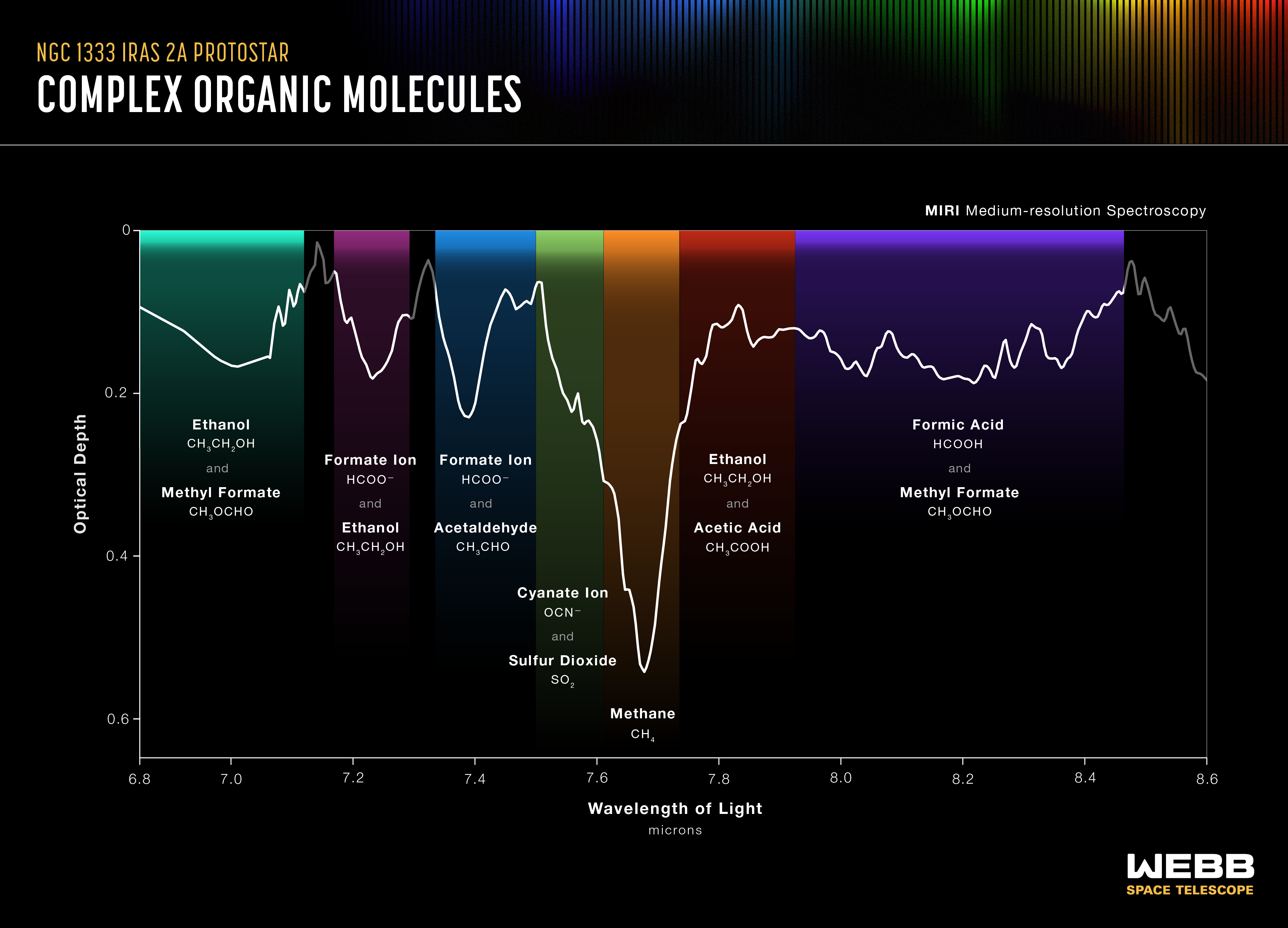
Illustration: NASA, ESA, CSA, L. Hustak (STScI). Science: W. Rocha (Leiden University).
What do margaritas, vinegar, and ant stings have in common? They contain chemical ingredients that NASA’s James Webb Space Telescope has identified surrounding two young protostars known as IRAS 2A and IRAS 233...
Read MoreTryptophan in Diet and Gut Bacteria Protect against E. Coli Infection, study shows
March 15, 2024,
Uncategorized
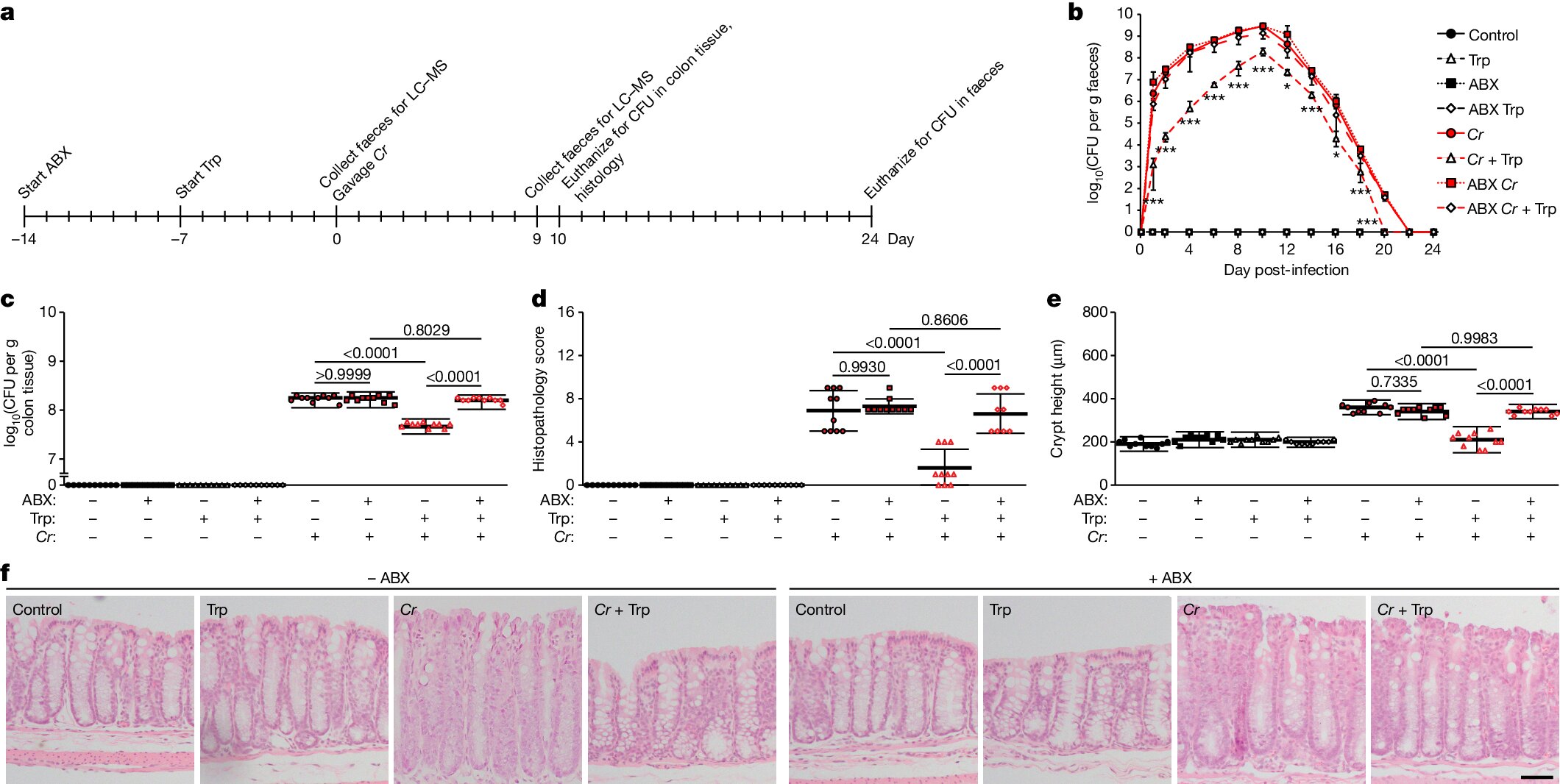
Gut bacteria and a diet rich in the amino acid tryptophan can play a protective role against pathogenic E. coli, which can cause severe stomach upset, cramps, fever, intestinal bleeding and renal failure, according to a study published March 13 in Nature.
The research reveals how dietary tryptophan—an amino acid found mostly in animal products, nuts, seeds, whole grains and legumes—can be broken down by gut bacteria into small molecules called metabolites...
Read More
Recent Comments