Scientists begin Building AI for Scientific Discovery using Tech behind ChatGPT

particle graphic
Credit: Pixabay/CC0 Public Domain

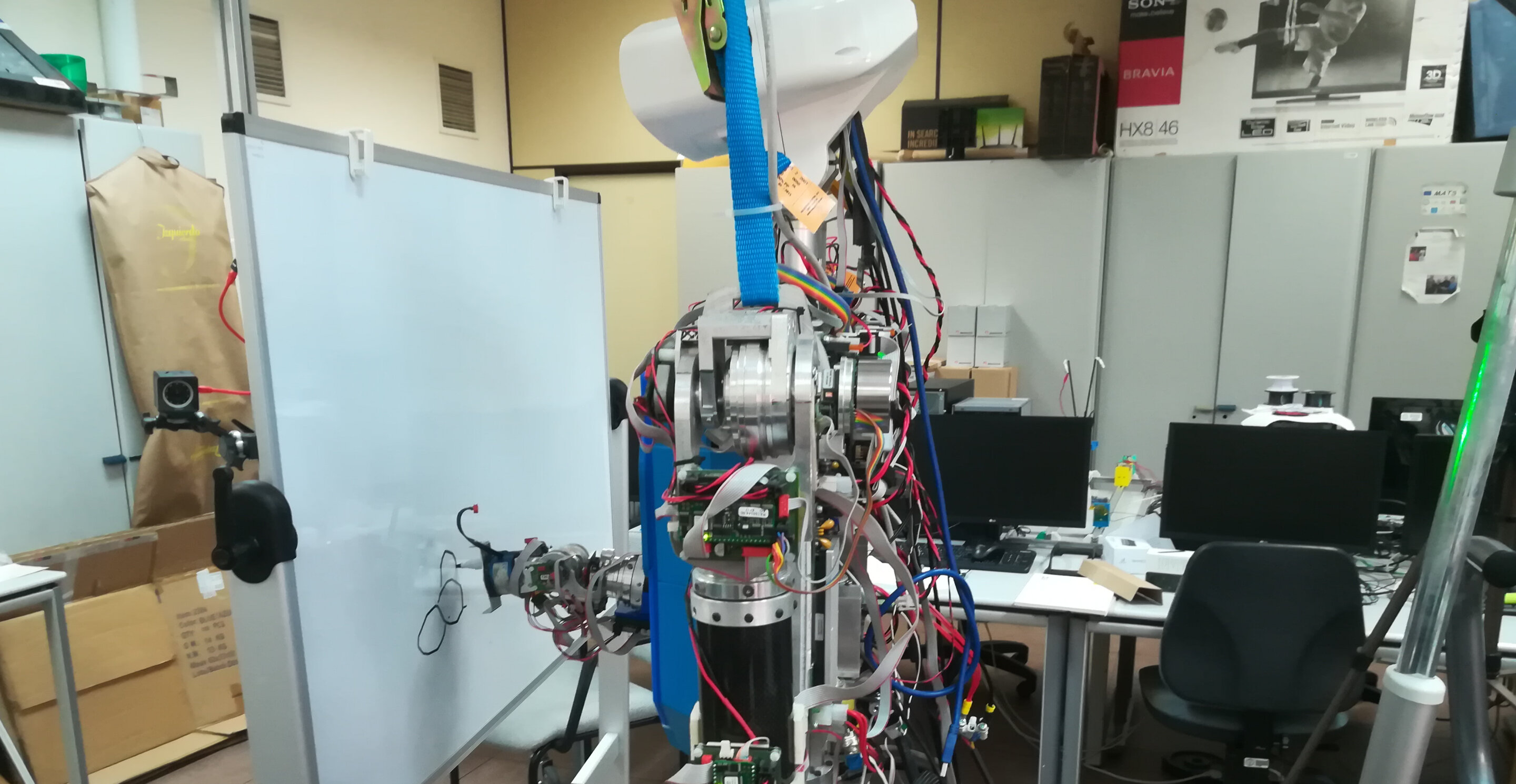
An international team of scientists, including from the University of Cambridge, have launched a new research collaboration that will leverage the same technology behind ChatGPT to build an AI-powered tool for scientific discovery.

While ChatGPT deals in words and sentences, the team’s AI will learn from numerical data and physics simulations from across scientific fields to aid scientists in modeling everything from supergiant stars to the Earth’s climate.

The team launched the initiative, called Polymathic AI earlier this week, alongside the publication of a series of related papers on the arXiv open access repository.

“This will completely change how people use AI and machine learning in science,” said Polymathic AI principal investigator S...

Read More

Study reveals Violent Material Ejection Process of a Dying Massive Star

Study reveals violent material ejection process of a dying massive star
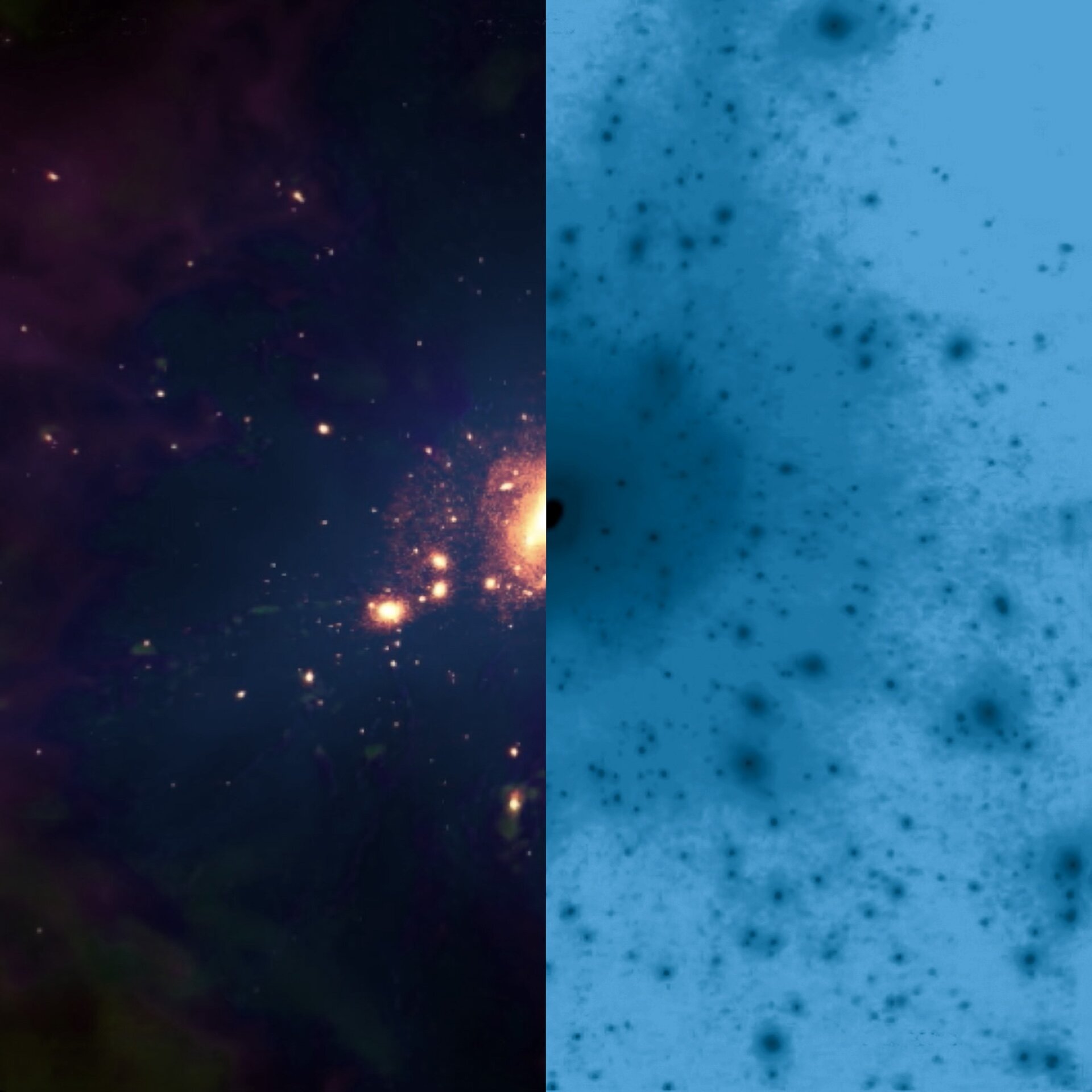
SN 2023ixf and its host galaxy. Credit: Yunnan Observatories

A research team led by Dr. Zhang Jujia from Yunnan Observatories of the Chinese Academy of Sciences and Prof. Wang Xiaofeng from Tsinghua University has revealed the stellar mass violently ejected from a progenitor at the end of its life by observing the once-in-a-decade supernova SN 2023ixf. Such mass loss processes can provide essential information for understanding the final evolution of a massive star.

The study was published in Science Bulletin on Sept. 14.

Type II supernovae (SNe II) are the most common stellar explosions in the universe, for which the final stage of evolution of their hydrogen-rich massive progenitors towards core-collapse explosion is elusive...

Read More

Could the Nerve Cells that Scratch be the Solution for Itch?

ReachMD Healthcare Image

It can be a relief to scratch the occasional itch, but when itch gets out of control, it can become a serious health problem. How does the body know when to stop?

Scientists at UC San Francisco are getting close to an answer. In a breakthrough that could transform how doctors treat conditions from eczema to allergies, they have discovered a feedback loop centered on a single immune protein called IL-31 that both causes the urge to itch and dials back nearby inflammation.

The findings, published on October 13th in Science Immunology, lay the groundwork for a new generation of drugs that interact more intelligently with the body’s innate ability to self-regulate.

Previous approaches suggested that IL-31 signals itch and promotes skin inflammation...

Read More

‘Starquakes’ could Explain Mystery Signals

Two scatter charts and two line graphs
Comparing FRBs and earthquakes. The researchers analyzed the time and energy distribution of FRB and earthquake events, and by plotting the aftershock likelihood as a function of time lag, they found that the two are very similar. ©2023 T. Totani & Y. Tsuzuki

Fast radio bursts from distant neutron stars resemble earthquakes rather than solar flares. Fast radio bursts, or FRBs, are an astronomical mystery, with their exact cause and origins still unconfirmed. These intense bursts of radio energy are invisible to the human eye, but show up brightly on radio telescopes. Previous studies have noted broad similarities between the energy distribution of repeat FRBs, and that of earthquakes and solar flares...

Read More