
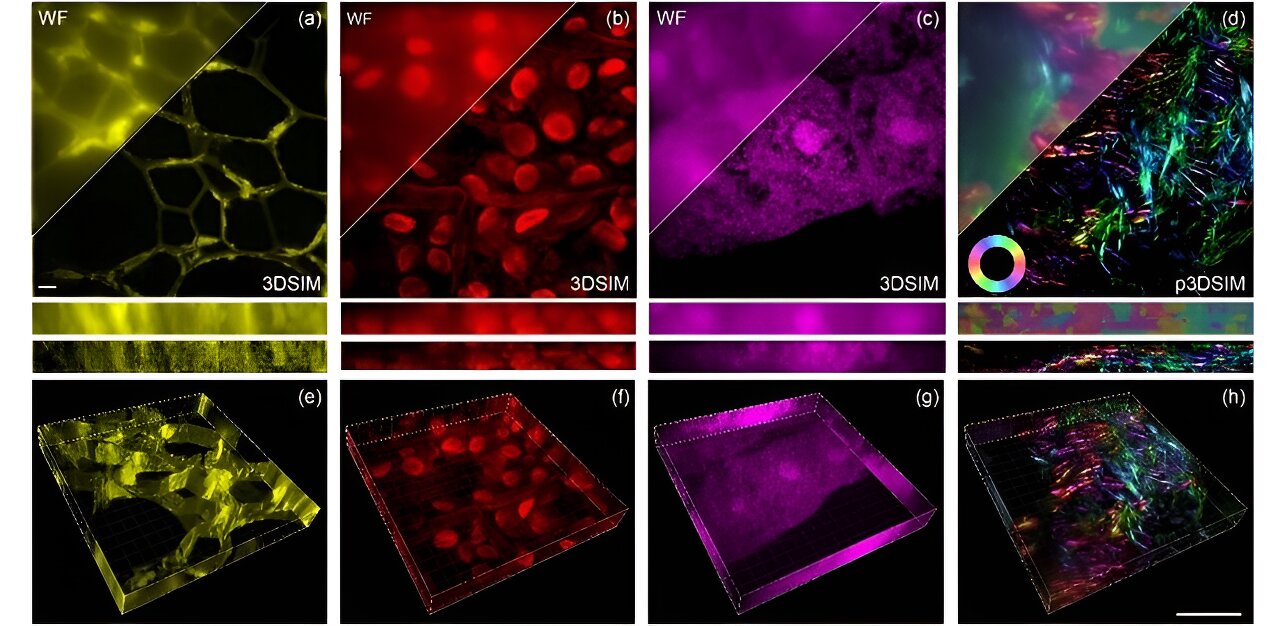
In the ever-evolving realm of microscopy, recent years have witnessed remarkable strides in both hardware and algorithms, propelling our ability to explore the infinitesimal wonders of life...
Read More


Until we recognize the essential role of biology, our attempts to truly unify the universe will remain a train to nowhere. ~Robert Lanza Read More

Good health is not something we can buy. However, it can be an extremely valuable savings account. ~Anne Wilson Schaef Read More

The only way forward, if we are going to improve the quality of the environment, is to get everybody involved. ~Richard Rogers Read More

To raise new questions, new possibilities, to regard old problems from a new angle, requires creative imagination and marks real advance in science. ~Albert Einstein Read More

Old Newtonian physics claimed that things have an objective reality separate from our perception of them. Quantum physics, and particularly Heisenberg's Uncertainty Principle, reveal that, as our perception of an object changes, the object itself literally changes. ~Marianne Williamson Read More

Astronomy compels the soul to look upwards and leads us from this world to another. ~ Read More
February 16, 2024,
 Uncategorized
In the ever-evolving realm of microscopy, recent years have witnessed remarkable strides in both hardware and algorithms, propelling our ability to explore the infinitesimal wonders of life...
Read More
February 15, 2024,
Uncategorized

Our understanding of how galaxies form and the nature of dark matter could be completely upended after new observations of a stellar population bigger than the Milky Way from more than 11 billion years ago that should not exist.
A paper published today in Nature details findings using new data from the James Webb Space Telescope (JWST)...
Read More
February 15, 2024,
Uncategorized
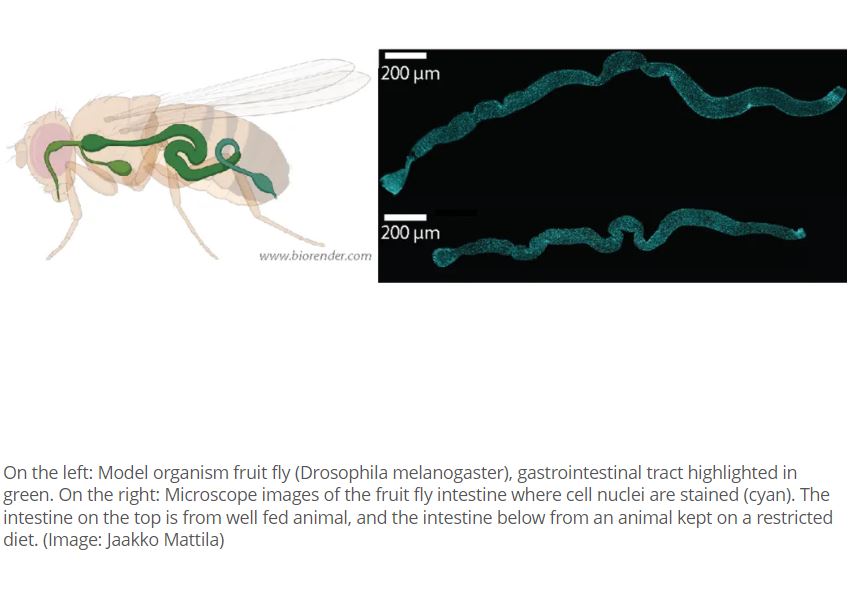
The capacity of intestinal stem cells to maintain cellular balance in the gut decreases upon ageing. Researchers at the University of Helsinki have discovered a new mechanism of action between the nutrient adaptation of intestinal stem cells and ageing. The finding may make a difference when seeking ways to maintain the functional capacity of the ageing gut.
The cellular balance of the intestine is carefully regulated, and it is influenced, among other things, by nutrition: ample nutrition increases the total number of cells in the gut, whereas fasting decreases their number.
The relative number of different types of cells also changes according to nutrient status.
The questions of how the nutrition status of the gut controls stem cell division and differentiation, and how th...
Read More
February 15, 2024,
Uncategorized
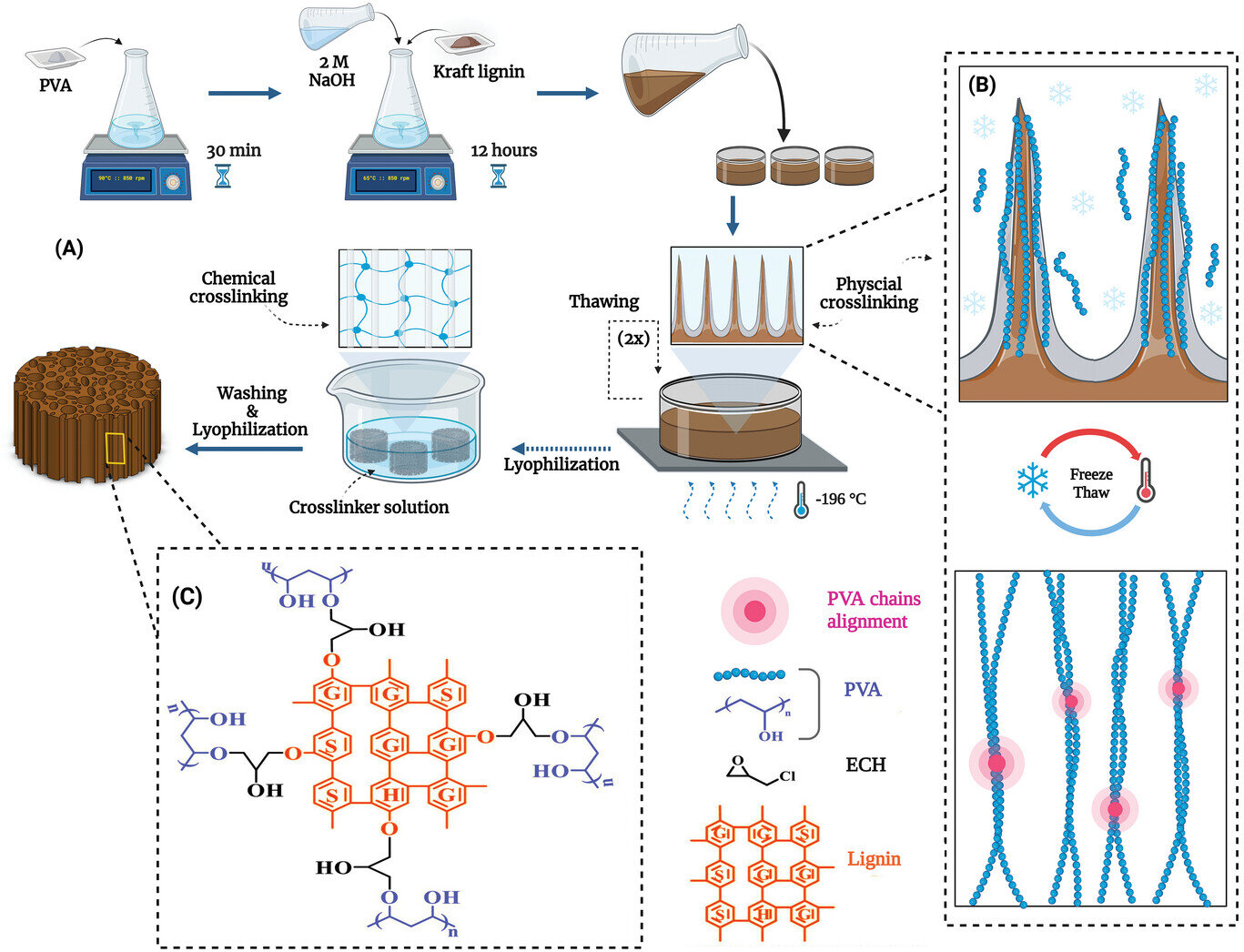
A new study by researchers at University of Limerick in Ireland has revealed a sustainable method of efficiently converting waste heat into electricity using Irish wood products, while minimizing costs and environmental impact.
The study, led by researchers at UL in collaboration with colleagues at the University of Valencia, has demonstrated a method of generating electricity using low-grade heat recovered from lignin-derived membranes.
L...
Read More
Recent Comments