
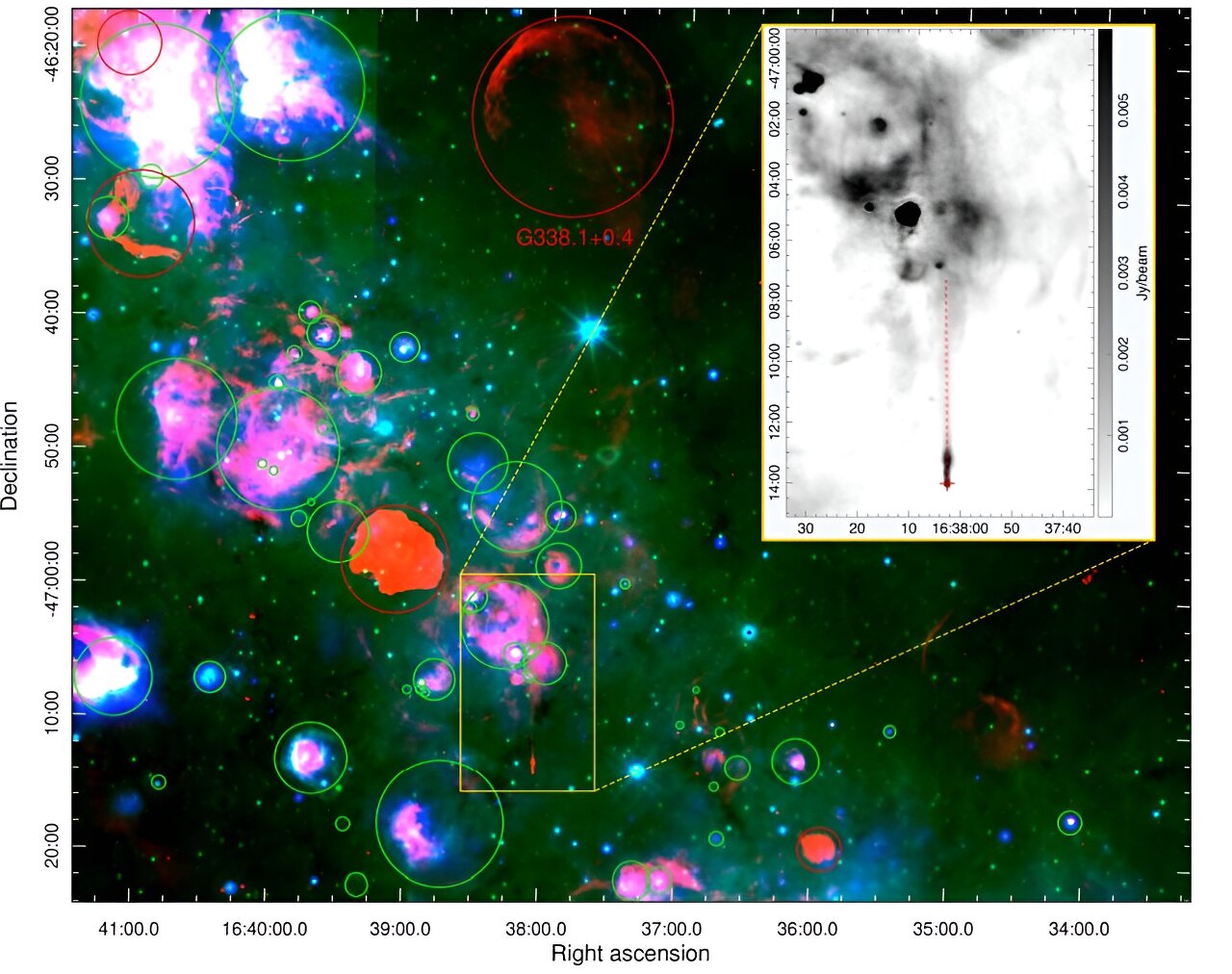
Astronomers from the Western Sydney University in Australia and elsewhere repor...
Read More


Until we recognize the essential role of biology, our attempts to truly unify the universe will remain a train to nowhere. ~Robert Lanza Read More

Good health is not something we can buy. However, it can be an extremely valuable savings account. ~Anne Wilson Schaef Read More

The only way forward, if we are going to improve the quality of the environment, is to get everybody involved. ~Richard Rogers Read More

To raise new questions, new possibilities, to regard old problems from a new angle, requires creative imagination and marks real advance in science. ~Albert Einstein Read More

Old Newtonian physics claimed that things have an objective reality separate from our perception of them. Quantum physics, and particularly Heisenberg's Uncertainty Principle, reveal that, as our perception of an object changes, the object itself literally changes. ~Marianne Williamson Read More

Astronomy compels the soul to look upwards and leads us from this world to another. ~ Read More
December 27, 2023,
 Astronomy/Space
Astronomers from the Western Sydney University in Australia and elsewhere repor...
Read More
December 26, 2023,
Health/Medical, Biology/Biotechnology, Environment/Geology
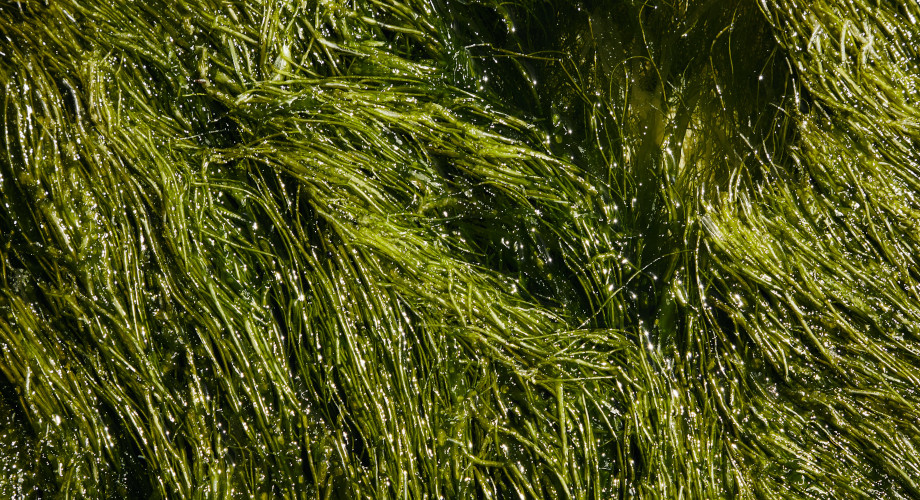
With more of us looking for alternatives to eating animals, new research has found a surprising environmentally friendly source of protein – algae.
The University of Exeter study has been published in The Journal of Nutrition and is the first of its kind to demonstrate that the ingestion of two of the most commercially available algal species are rich in protein which supports muscle remodeling in young healthy adults. Their findings suggest that algae may be an interesting and sustainable alternative to animal-derived protein with respect to maintaining and building muscle.
Researcher Ino Van Der Heijden from the University of Exeter said: “Our work has shown algae could become part of a secure and sustainable food future...
Read More
December 26, 2023,
Physics, Technology/Electronics, Biology/Biotechnology, Environment/Geology
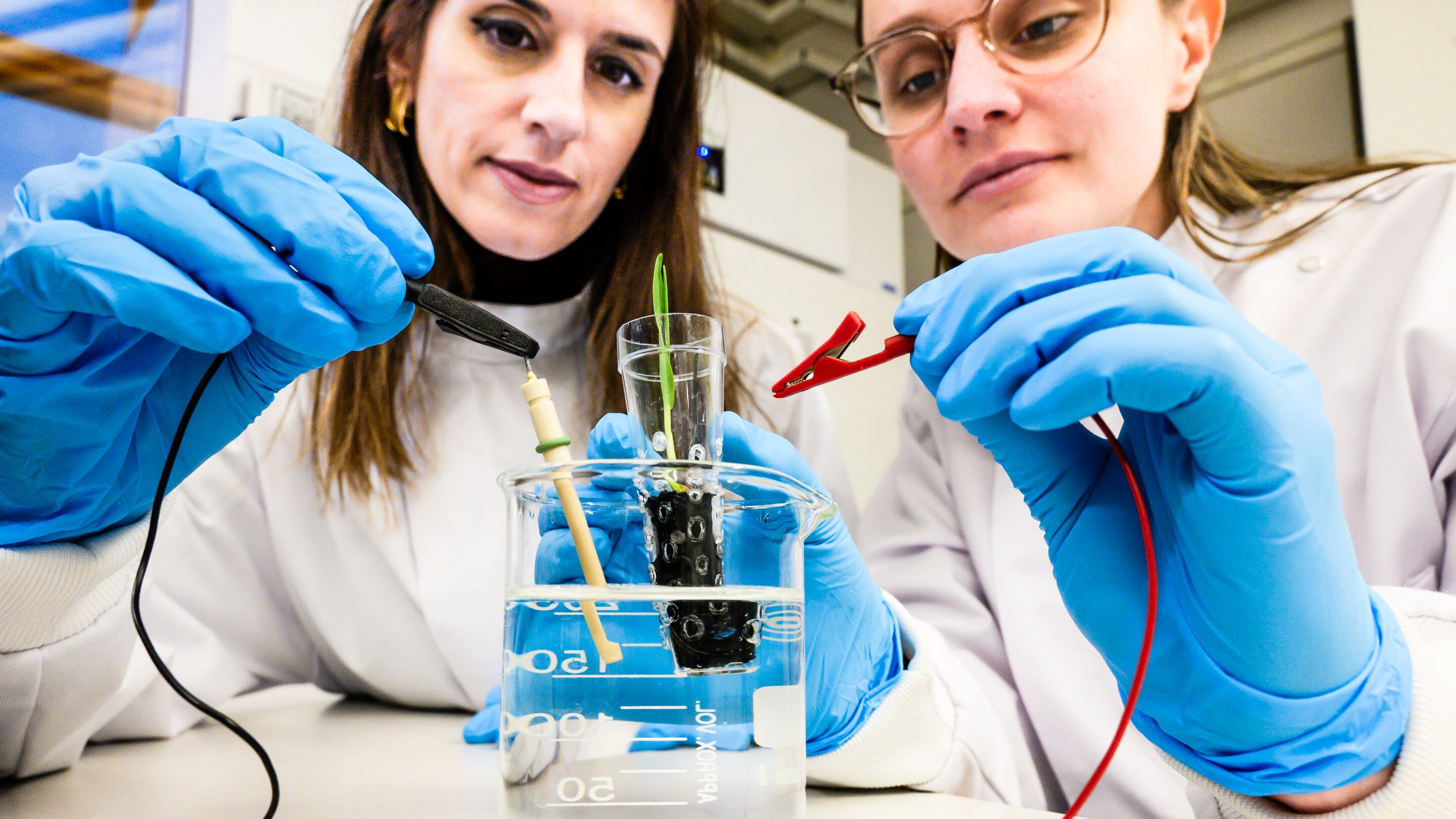
Barley seedlings grow on average 50% more when their root system is stimulated electrically through a new cultivation substrate. In a study published in the journal PNAS, researchers from Linköping University have developed an electrically conductive “soil” for soilless cultivation, known as hydroponics.
“The world population is increasing, and we also have climate change. So it’s clear that we won’t be able to cover the food demands of the planet with only the already existing agricultural methods...
Read More
December 26, 2023,
Astronomy/Space
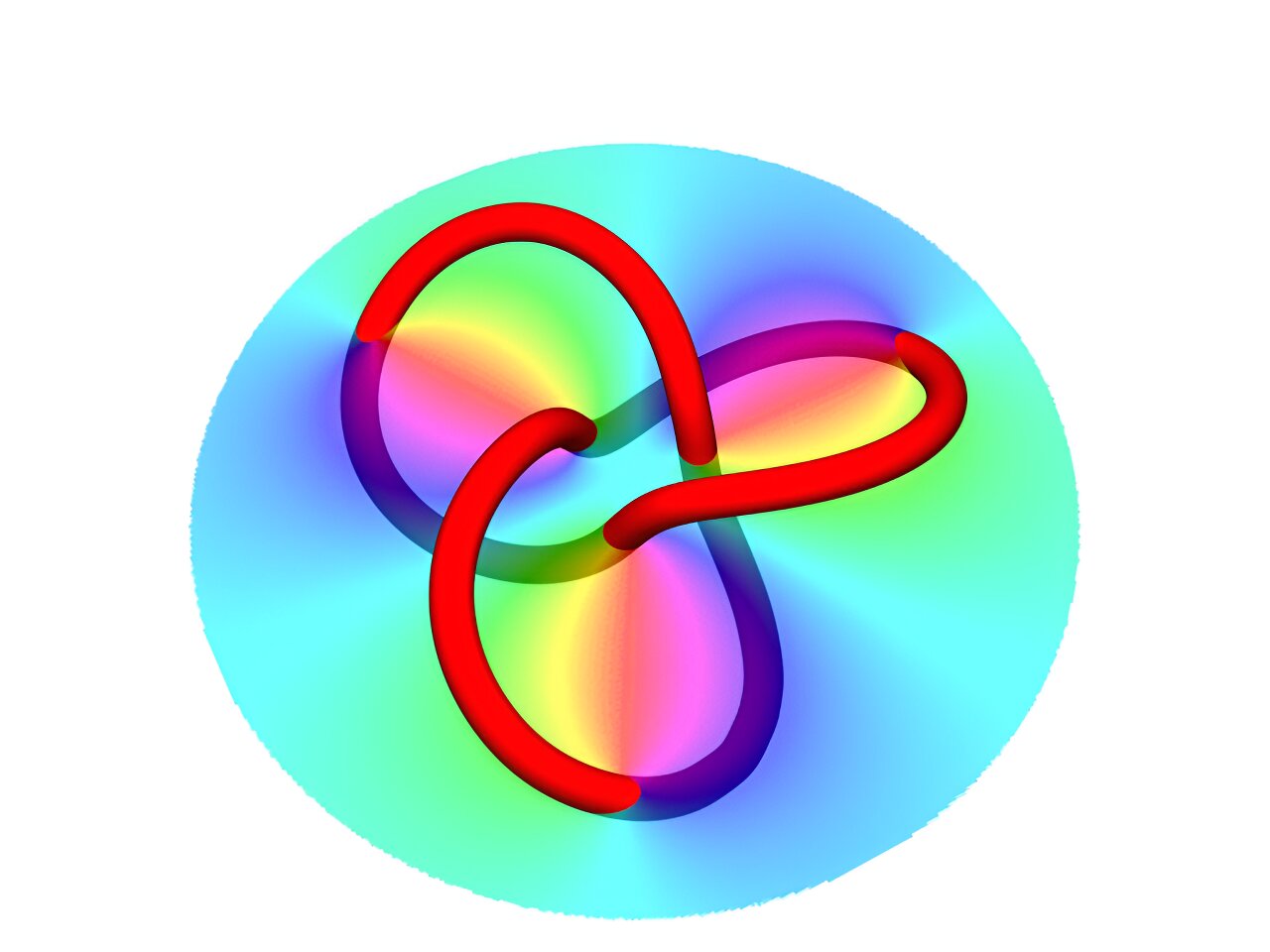
A quarter century ago, physicist Juan Maldacena proposed the AdS/CFT correspondence, an intriguing holographic connection between gravity in a three-dimensional universe and quantum physics on the universe’s two-dimensional boundary. This correspondence is at this stage, even a quarter century after Maldacena’s discovery, just a conjecture.
A statement about the nature of the universe that seems to be true, but one that has not yet been proven to actually reflect the reality that we live in. And what’s more, it only has limited utility and application to the real universe.
Still, even the mere appearance of the correspondence is more than suggestive...
Read More
Recent Comments