Whether Physical Exertion feels ‘Easy’ or ‘Hard’ may be due to Dopamine levels, study suggests

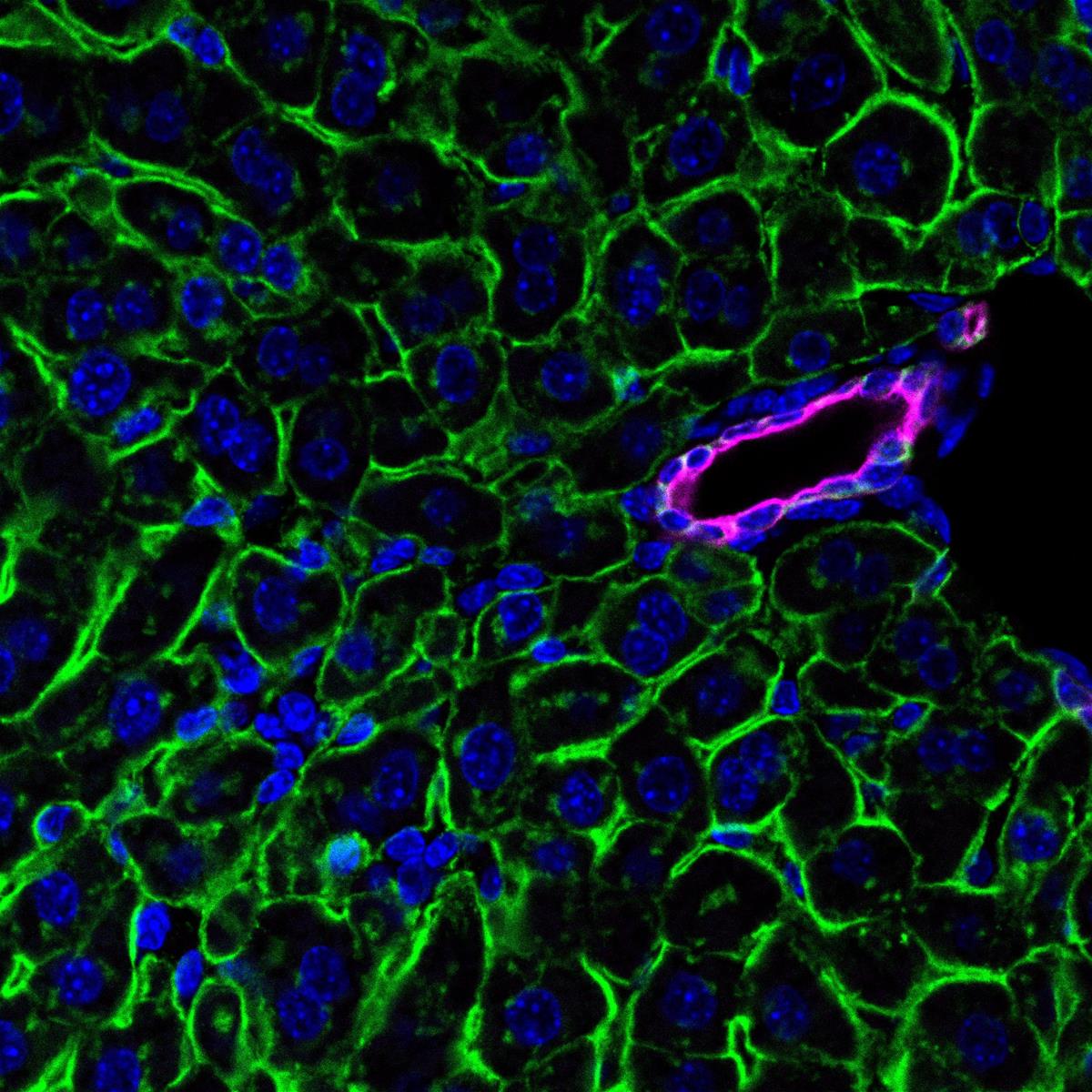
Experimental paradigm. a Association phase; Participants were trained to associate between grip force exerted on a handheld dynamometer and effort levels from 0 to 100 (80% of maximum voluntary contraction (MVC)). Each trial began with presentation of the target, followed by an effortful grip with real-time visual feedback of the exerted force represented as a bar that increased in height with increased exertion. A target zone was also presented, and participants were asked to maintain their exerted force within this target zone. The target zone turned green when exerted force was within the target and stayed red otherwise. Feedback of success or failure was provided at the end of each trial...
Read More

Researchers create more Efficient Perovskite Solar Cell

Researchers create more efficient perovskite solar cell
From left Leiwei Zeng, Zaiwei Wang and Hao Chen show off samples of triple-junction perovskite solar cells that boast record gains in efficiency. Credit: Tyler Irving, University of Toronto

A team of researchers from the University of Toronto has created a triple-junction perovskite solar cell with record efficiency by overcoming a key limitation of previous designs.

The prototype represents a significant advance in the development of low-cost alternatives to silicon-based solar cells, which are the current industry standard.

“In addition to lower manufacturing cost, perovskites offer us the ability to stack multiple layers of light-absorbing materials on top of each other, and even on top of traditional silicon cells,” says Professor Ted Sargent, who recently joined the departme...

Read More

How did Earth get its Water?

How did Earth get its water?
An illustration showing how some Earth’s signature features, such as its abundance of water and its overall oxidized state could potentially be attributable to interactions between the molecular hydrogen atmospheres and magma oceans on the planetary embryos that comprised Earth’s formative years. Credit: Edward Young/UCLA and Katherine Cain/Carnegie Institution for Science.

Earth’s water could have originated from interactions between the hydrogen-rich atmospheres and magma oceans of the planetary embryos that comprised Earth’s formative years, according to new work from Carnegie Science’s Anat Shahar and UCLA’s Edward Young and Hilke Schlichting. Their findings, which could explain the origins of Earth’s signature features, are published in Nature.

For decades, what researchers...

Read More

Astronomers discover Fast Radio Bursts that Skewer Nearby Galaxy

Astronomers discover fast radio bursts that skewer nearby galaxy
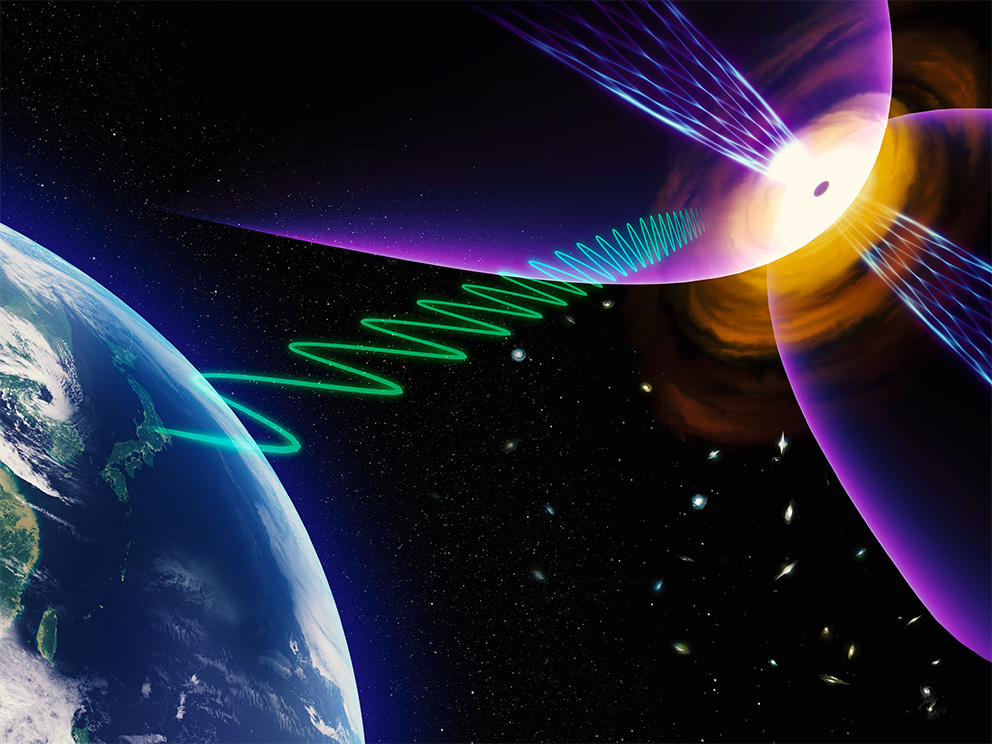
Three new Fast Radio Bursts discovered by the Westerbork telescope were shown to have pierced the halo of our neighbouring Triangulum Galaxy. Invisible electrons in that galaxy deform the FRBs. From sharp, new, live images, astronomers could estimate the maximum number of invisible atoms in the Triangulum Galaxy for the first time. Credit: ASTRON/Futselaar/van Leeuwen

After upgrading the radio telescope array at Westerbork, The Netherlands, astronomers have found five new fast radio bursts. The telescope images, much sharper than previously possible, revealed that multiple bursts had pierced our neighboring Triangulum galaxy. This allowed the astronomers to determine the maximum number of otherwise invisible atoms in this galaxy for the first time...

Read More