Entangled Atoms Cross Quantum Network from one Lab to another

Illustration mehrerer Gebäude mit einer roten Kugel im ersten Gebäude und einer grünen Kugel im letzten, dazwischen eine strichlierte Linie.
The nodes of this network were housed in two labs at the Campus Technik to the west of Innsbruck, Austria.

Trapped ions are one of the leading systems to build quantum computers and other quantum technologies. To link multiple such quantum systems, interfaces are needed through which the quantum information can be transmitted. In recent years, researchers led by Tracy Northup and Ben Lanyon at the University of Innsbruck’s Department of Experimental Physics have developed a method for doing this by trapping atoms in optical cavities such that quantum information can be efficiently transferred to light particles. The light particles can then be sent through optical fibers to connect atoms at different locations...

Read More

Hubble directly measures Mass of a Lone White Dwarf

Black background with stars. Image center: blue-white star (LAWD 37) surrounded by horizontal rectangle that indicates the area highlighted in an inset box. Inset box illustrates the path of LAWD 37 and the position of the background star relative to it.
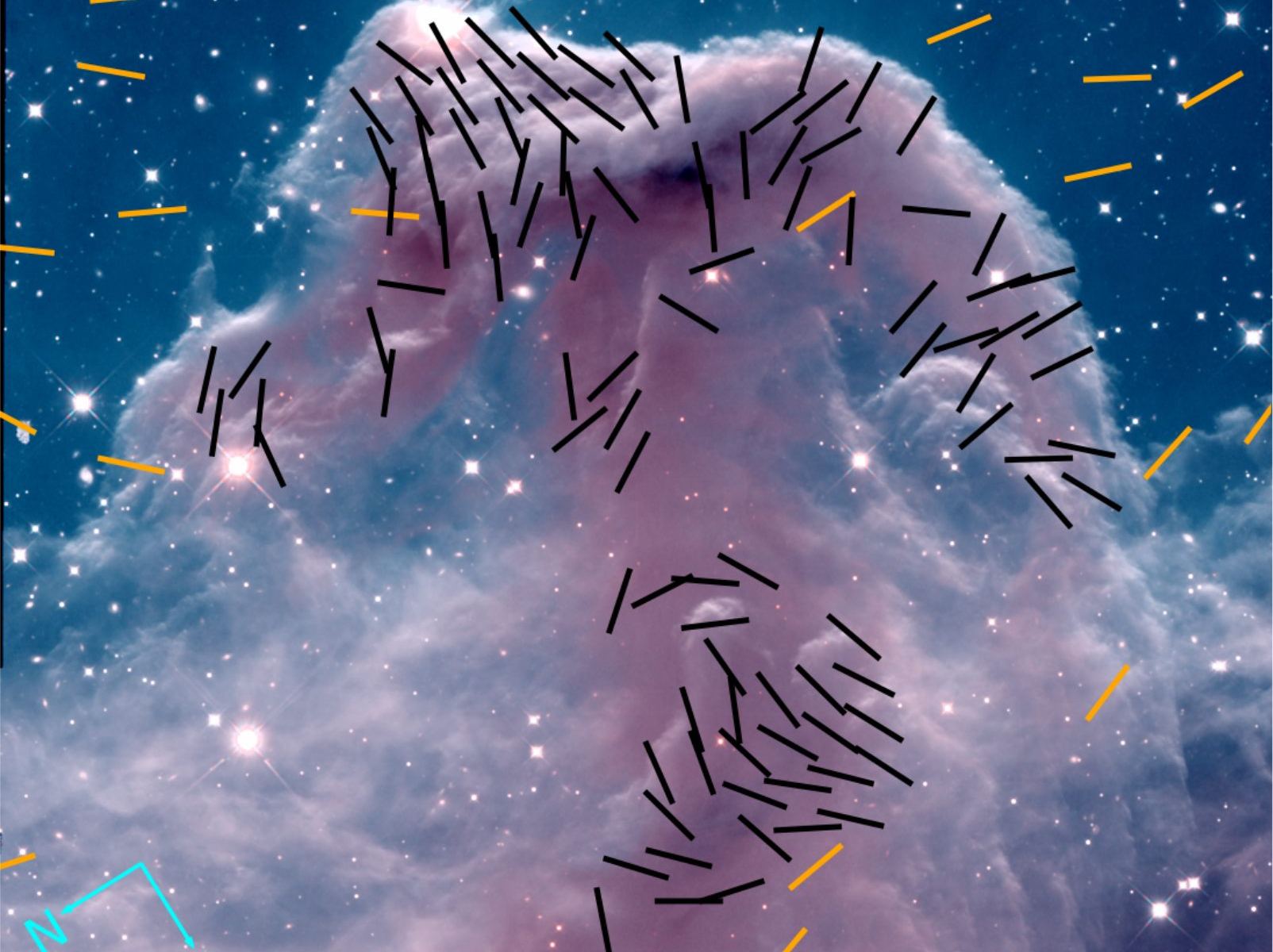
This graphic shows how microlensing was used to measure the mass of a white dwarf star. The dwarf, called LAWD 37, is a burned-out star in the center of this Hubble Space Telescope image. Though its nuclear fusion furnace has shut down, trapped heat is sizzling on the surface at 180,000 degrees Fahrenheit, causing the stellar remnant to glow fiercely. The inset box plots how the dwarf passed in front of a background star in 2019. The wavy blue line traces the dwarf’s apparent motion across the sky as seen from Earth. Though the dwarf is following a straight trajectory, the motion of Earth orbiting the Sun imparts an apparent sinusoidal offset due to parallax. (The star is only 15 light-years away. Therefore, it is moving at a faster rate against the stellar background...
Read More

Researcher takes another step toward discovering how a Brain Molecule could Halt MS

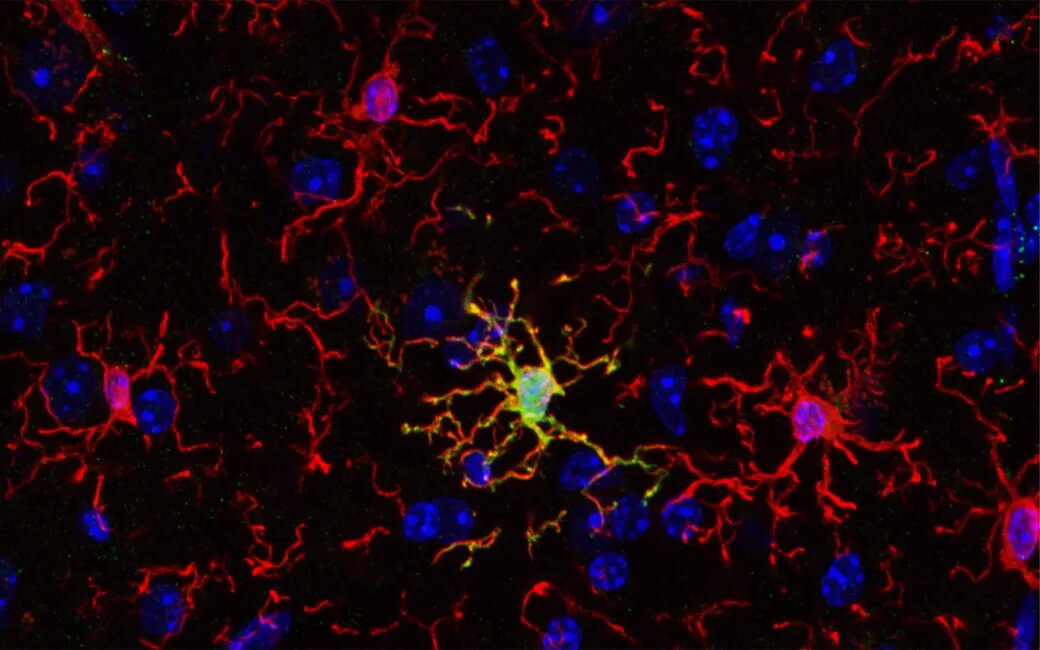
Fractalkine appears to trigger repair of brain damage caused by the disease. A University of Alberta researcher is one step closer to demonstrating the potential of a brain molecule called fractalkine to halt and even reverse the effects of multiple sclerosis and other neurodegenerative diseases.

Multiple sclerosis is an autoimmune disease in which the myelin, or fatty lining of nerve cells, is eroded, leading to nerve damage and slower signalling between the brain and the body. MS symptoms range from blurred vision to complete paralysis, and while there are treatments, the causes are not fully understood and nothing exists to reverse the disease process. More than 90,000 Canadians live with MS, according to the MS Society.

In new research published in Stem Cell Reports, Anastas...

Read More

A Quasiparticle that can Transfer Heat under Electrical Control

Because thermal conductivity in this class of materials can be changed with application of an external electric field at room temperature, they hold promise for use in heat switches for everyday applications, like collection of solar power.
Photo: Getty Images

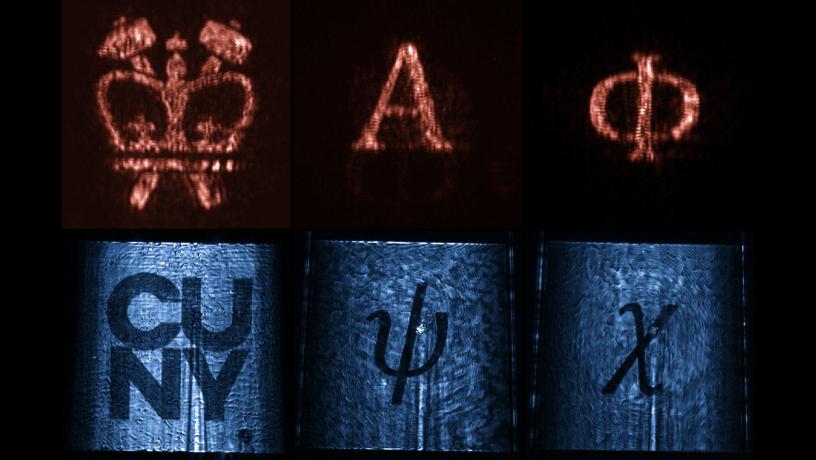
Scientists have found the secret behind a property of solid materials known as ferroelectrics, showing that quasiparticles moving in wave-like patterns among vibrating atoms carry enough heat to turn the material into a thermal switch when an electrical field is applied externally.

A key finding of the study is that this control of thermal conductivity is attributable to the structure of the material rather than any random collisions among atoms...

Read More