








- Machine learning detects bacterial invasion and DNA damage in human cells
- Earth and Mars: Built from different cosmic recipes
- A molecular switch syncs fat burning to the body clock, our diet and the temperature around us
- Ions help electrons hop through porous material with potential for brain-inspired computing
LISA will be a remarkable gravitational-wave observatory, but there’s a way to make it 100 times more powerful
May 10, 2023,
 Astronomy/Space
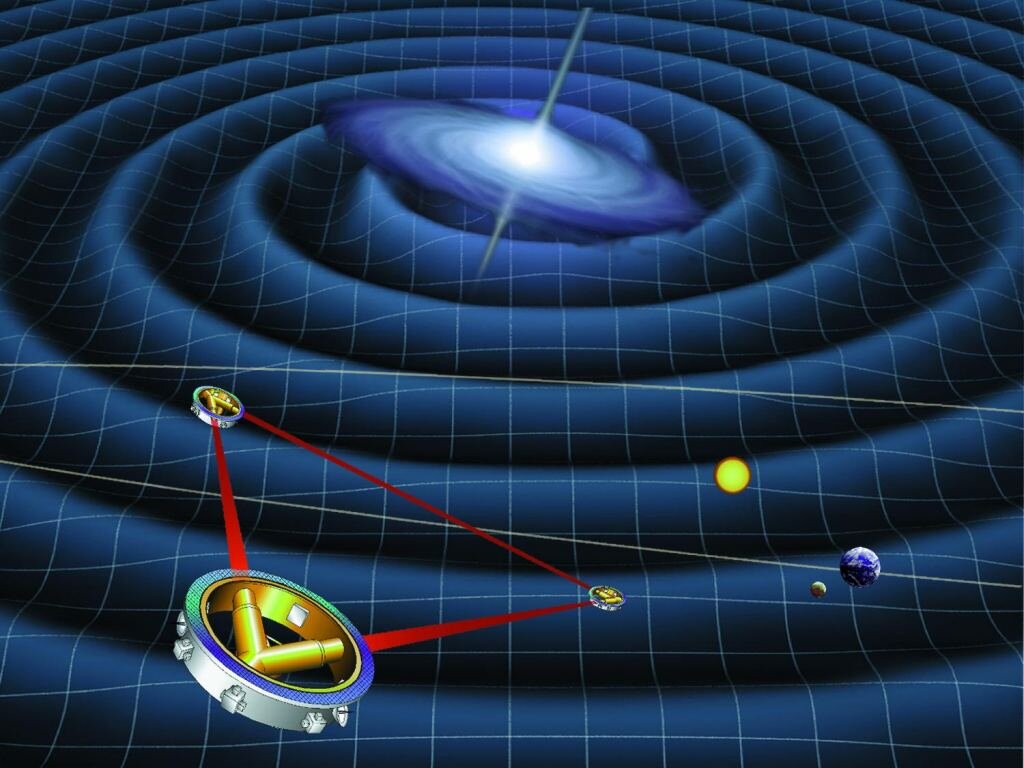
The first-time detection of Gravitational Waves (GW) by researchers at the Laser Interferometer Gravitational-wave Observatory (LIGO) in 2015 triggered a revolution in astronomy. This phenomenon consists of ripples in spacetime caused by the merger of massive objects and was predicted a century prior by Einstein’s Theory of General Relativity. In the coming years, this burgeoning field will advance considerably thanks to the introduction of next-generation observatories, like the Laser Interferometer Space Antenna (LISA).
With greater sensitivity, astronomers will be able to trace GW events back to their source and use them to probe the interiors of exotic objects and the laws of physics...
Read MoreScientists develop Gene Silencing DNA Enzyme that can Target a Single Molecule
May 9, 2023,
Health/Medical, Biology/Biotechnology

Researchers from the University of California, Irvine have developed a DNA enzyme—or DNAzyme—that can distinguish between two RNA strands inside a cell and cut the disease-associated strand while leaving the healthy strand intact. This breakthrough “gene silencing” technology could revolutionize the development of DNAzymes for treating cancer, infectious diseases and neurological disorders.
DNAzymes are nucleic ac...
Read More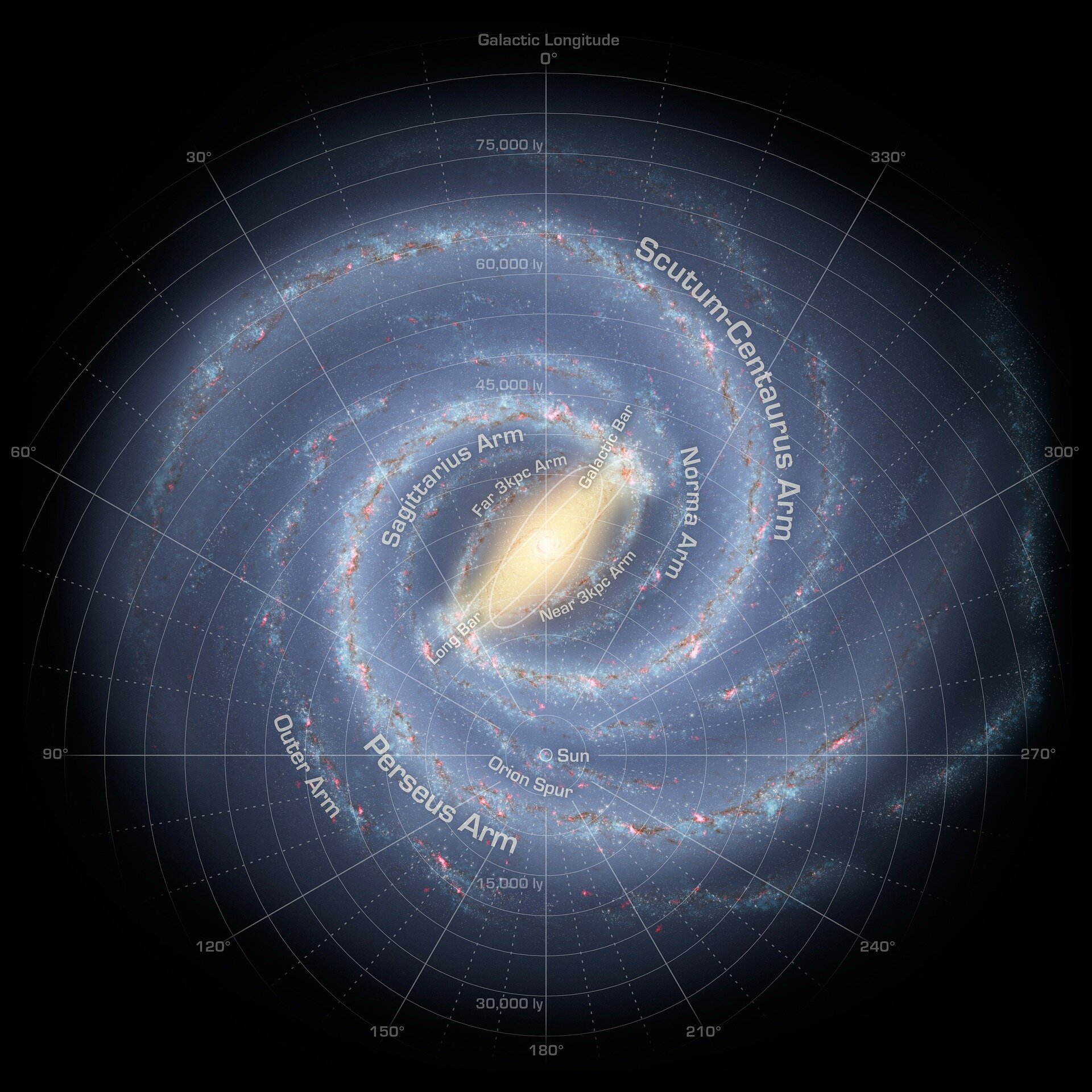
Astronomers have revealed new evidence about the properties of the giant bubbles of high-energy gas that extend far above and below the Milky Way galaxy’s center.
In a study recently published in Nature Astronomy, a team led by scientists at The Ohio State University was able to show that the shells of these structures—dubbed “eRosita bubbles” after being found by the eRosita X-ray telescope—are more complex than previously thought.
Although they bear a striking similarity in shape to Fermi bubbles, eRosita bubbles are larger and more energetic than their counterparts...
Read More
Recent Comments