









- Machine learning detects bacterial invasion and DNA damage in human cells
- Earth and Mars: Built from different cosmic recipes
- A molecular switch syncs fat burning to the body clock, our diet and the temperature around us
- Ions help electrons hop through porous material with potential for brain-inspired computing
Four Classes of Planetary Systems
February 16, 2023,
 Astronomy/Space
‘Lego-like’ Universal Connector makes Assembling Stretchable Devices a snap
February 16, 2023,
Physics, Technology/Electronics
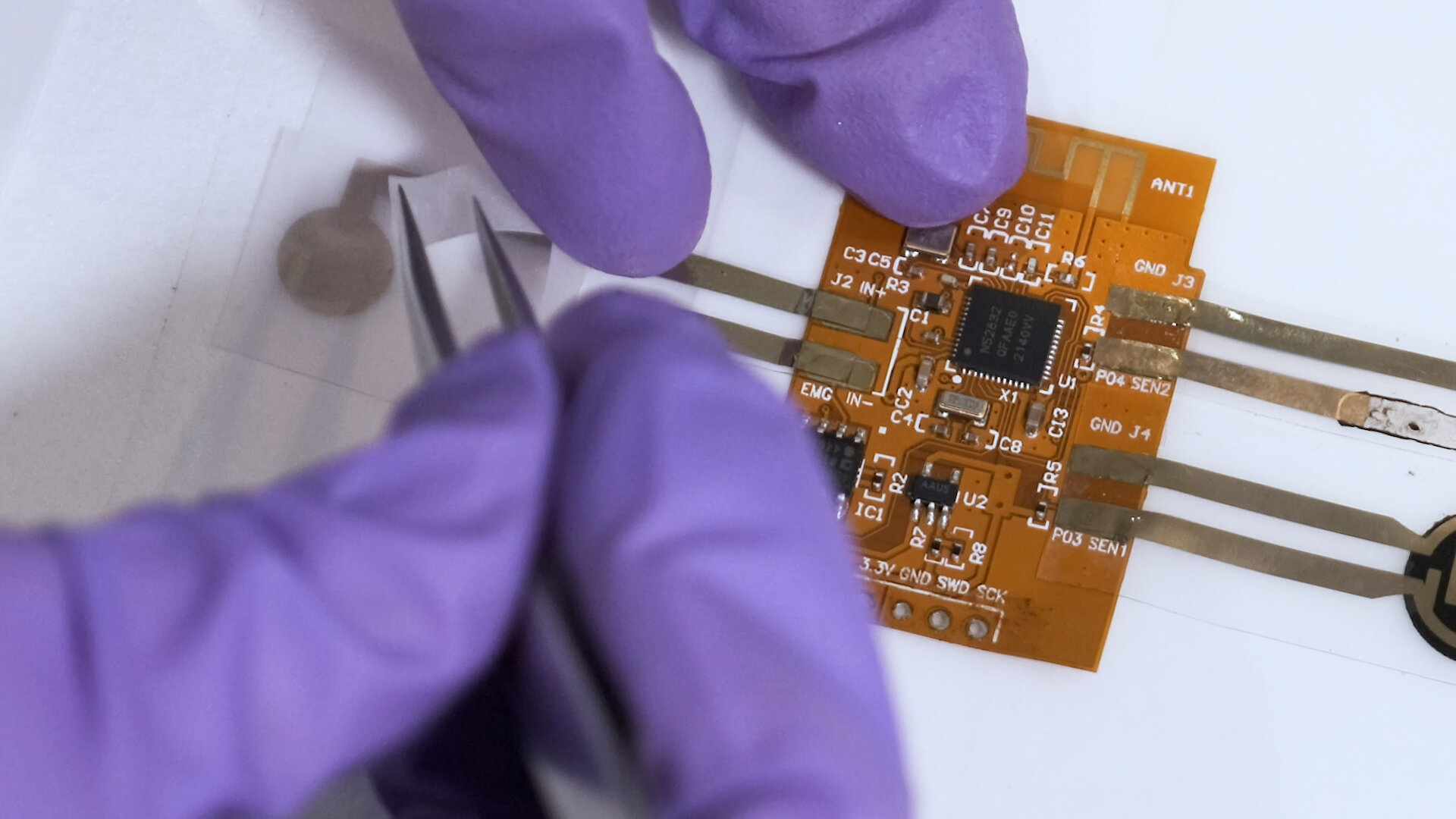
An international team led by researchers from Nanyang Technological University, Singapore (NTU Singapore) has developed a universal connector to assemble stretchable devices simply and quickly, in a “Lego-like” manner.
Stretchable devices including soft robots and wearable healthcare devices are assembled using several different modules with different material characteristics—some soft, some rigid, and some encapsulated.
However, the commercial pastes (glue), currently used to connect the modules often either fail to transmit mechanical and electrical signals reliably when deformed or break eas...
Read MoreScientists find First Evidence that Black Holes are the Source of Dark Energy
February 16, 2023,
Astronomy/Space
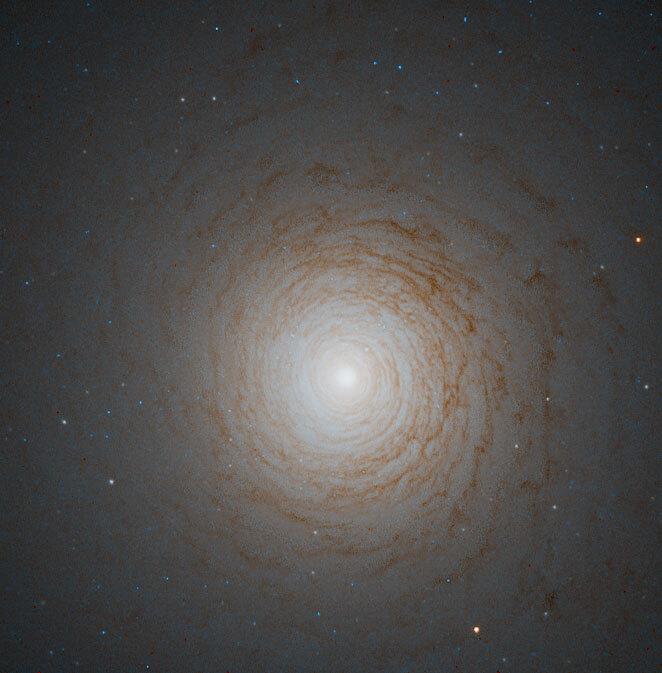
Observations of supermassive black holes at the centers of galaxies point to a likely source of dark energy—the ‘missing’ 70% of the universe.
The measurements from ancient and dormant galaxies show black holes growing more than expected, aligning with a phenomenon predicted in Einstein’s theory of gravity. The result potentially means nothing new has to be added to our picture of the universe to account for dark energy: black holes combined with Einstein’s gravity are the source.
The conclusion was reached by a team of 17 researchers in nine countries, led by the University of Hawai’i a...
Read MoreResearcher identifies Potential Cause of ‘Long COVID’
February 15, 2023,
Health/Medical, Biology/Biotechnology

Even though the COVID-19 public health emergency classification will expire this spring, the lingering effects of the pandemic remain. A constant puzzle to solve since the first year of the pandemic has been “long COVID,” a condition in which those infected with the virus have symptoms that linger months or even years after they have cleared the initial infection.
“Long COVID is estimated to affect one out of every five people who get COVID,” says Brent Palmer, Ph.D., associate professor of allergy and clinical immunology at the University of Colorado School of Medicine. “It’s described as persistent symptoms that last longer than four weeks post-initial infection. Those symptoms can include chest pain, cough, shortness of breath, brain fog, and fatigue.”
The virus that lingers
P...

Recent Comments