Methane-Eating ‘Borgs’ have been Assimilating Earth’s Microbes

Conceptual painting depicting celestial purple orbs of varying sizes connected with stretching strands.
A digital illustration inspired by methane-eating archaea and the Borgs that assimilate them (Credit: Jenny Nuss/Berkeley Lab)

A newly discovered type of transferrable DNA structure with a sci-fi name appears to play a role in balancing atmospheric methane. In Star Trek, the Borg are a ruthless, hive-minded collective that assimilate other beings with the intent of taking over the galaxy. Here on nonfictional planet Earth, Borgs are DNA packages that could help humans fight climate change.

Last year, a team led by Jill Banfield discovered DNA structures within a methane-consuming microbe called Methanoperedens that appear to supercharge the organism’s metabolic rate. They named the genetic elements “Borgs” because the DNA within them contains genes assimilated from many organisms...

Read More

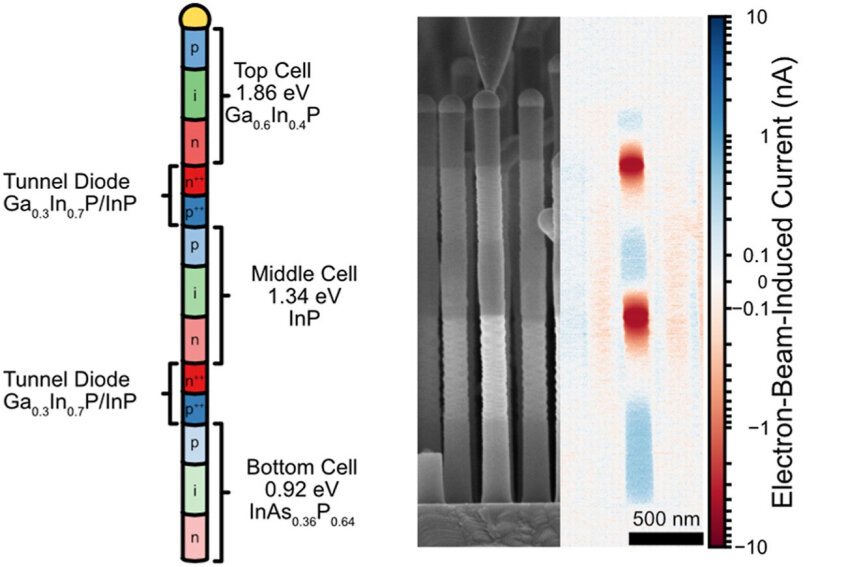
Thinnest Ferroelectric Material Ever Paves the Way for New Energy-Efficient Devices

A representation of a two-dimensional ferroelectric material. (Image by UC Berkeley/Suraj Cheema.)

Distinguishing this intrigung material behavior at small scales could reduce energy demands for computing. As electronic devices become smaller and smaller, the materials that power them need to become thinner and thinner. Because of this, one of the key challenges scientists face in developing next-generation energy-efficient electronics is discovering materials that can maintain special electronic properties at an ultrathin size.

Advanced materials known as ferroelectrics present a promising solution to help lower the power consumed by the ultrasmall electronic devices found in cellphones and computers...

Read More

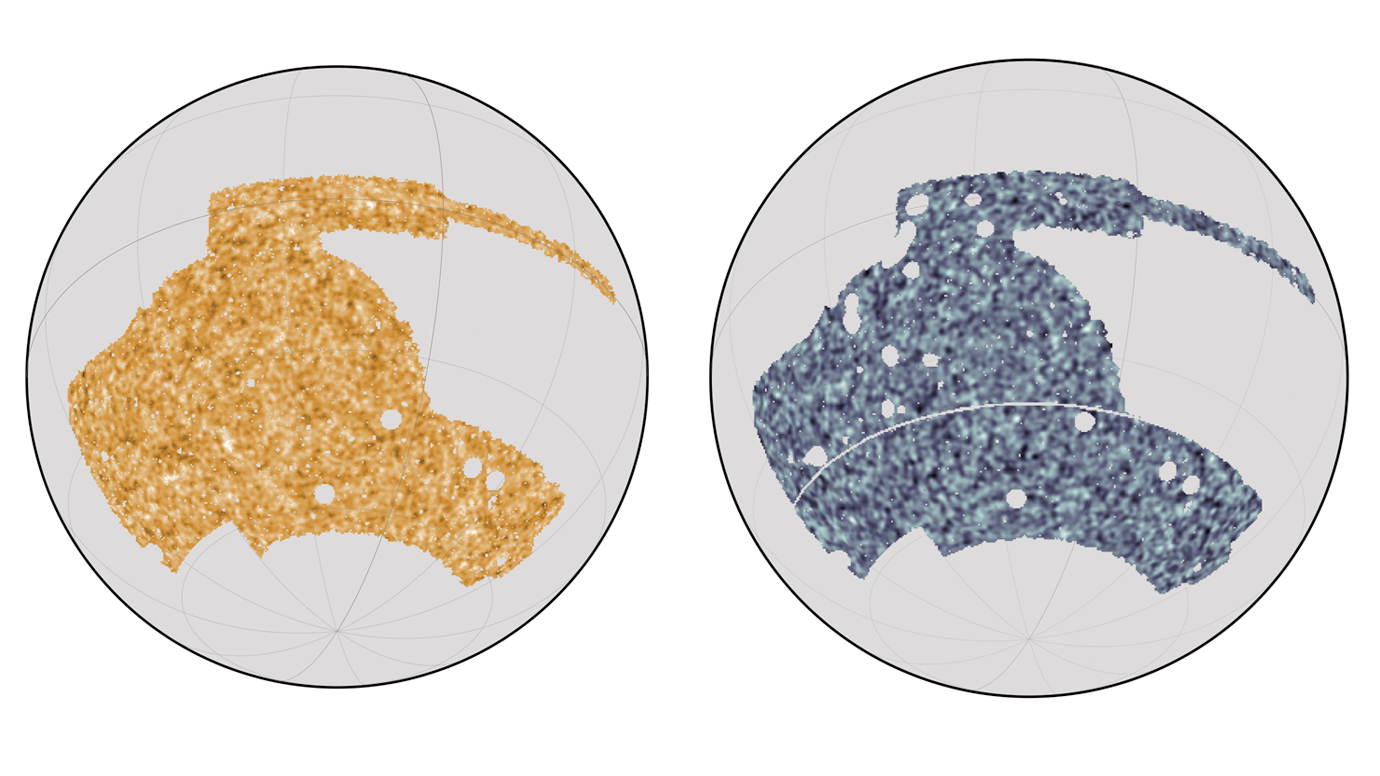
The Most Precise Accounting Yet of Dark Energy and Dark Matter

Credit: NASA/CXC/U.Texas

Astrophysicists have performed a powerful new analysis that places the most precise limits yet on the composition and evolution of the universe. With this analysis, dubbed Pantheon+, cosmologists find themselves at a crossroads.

Pantheon+ convincingly finds that the cosmos is composed of about two-thirds darkenergy and one-third matter — mostly in the form of dark matter — and is expanding at an accelerating pace over the last several billion years. However, Pantheon+ also cements a major disagreement over the pace of that expansion that has yet to be solved.

By putting prevailing modern cosmological theories, known as the Standard Model of Cosmology, on even firmer evidentiary and statistical footing, Pantheon+ further closes the door on alternative fram...

Read More

Our Brains use Quantum Computation

Scientists from Trinity believe our brains could use quantum computation after adapting an idea developed to prove the existence of quantum gravity to explore the human brain and its workings. The discovery may shed light on consciousness, the workings of which remain scientifically difficult to understand and explain. Quantum brain processes could also explain why we can still outperform supercomputers when it comes to unforeseen circumstances, decision-making, or learning something new.

The brain functions measured were also correlated to short-term memory performance and conscious awareness, suggesting quantum processes are also part of cognitive and conscious brain functions.

If the team’s results can be confirmed – likely requiring advanced multidisciplinary approaches -the...

Read More