

Credits: NASA, ESA, and Andi James (STScI)
Aside from a tapestry of glittering stars, and the glow of the waxing and waning Moon, the nighttime sky looks inky black to...
Read More


Until we recognize the essential role of biology, our attempts to truly unify the universe will remain a train to nowhere. ~Robert Lanza Read More

Good health is not something we can buy. However, it can be an extremely valuable savings account. ~Anne Wilson Schaef Read More

The only way forward, if we are going to improve the quality of the environment, is to get everybody involved. ~Richard Rogers Read More

To raise new questions, new possibilities, to regard old problems from a new angle, requires creative imagination and marks real advance in science. ~Albert Einstein Read More

Old Newtonian physics claimed that things have an objective reality separate from our perception of them. Quantum physics, and particularly Heisenberg's Uncertainty Principle, reveal that, as our perception of an object changes, the object itself literally changes. ~Marianne Williamson Read More

Astronomy compels the soul to look upwards and leads us from this world to another. ~ Read More
December 13, 2022,
 Astronomy/Space
Aside from a tapestry of glittering stars, and the glow of the waxing and waning Moon, the nighttime sky looks inky black to...
Read More
December 10, 2022,
Health/Medical, Biology/Biotechnology
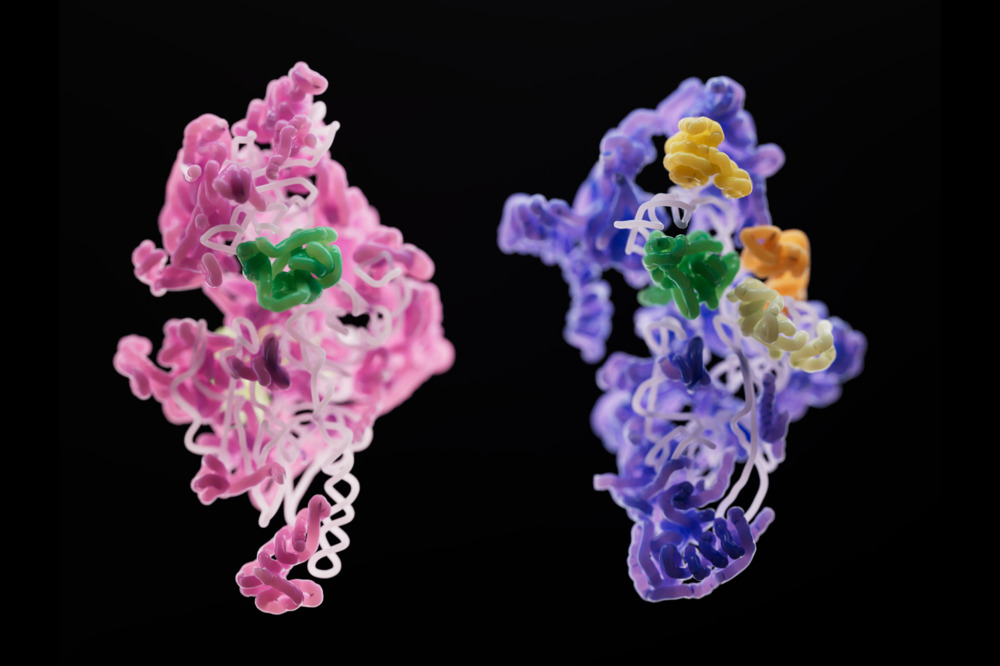
The findings shed a rare light on mitoribosomes, the unique ribosomes found within the cell’s mitochondria. Ribosomes, the tiny protein-producing factories within cells, are ubiquitous and look largely identical across the tree of life. Those that keep bacteria chugging along are, structurally, not much different from the ribosomes churning out proteins in our own human cells.
But even two organisms with similar ribosomes may display significant structural differences in the RNA and protein components of their mitoribosomes...
Read More
December 9, 2022,
Physics, Technology/Electronics
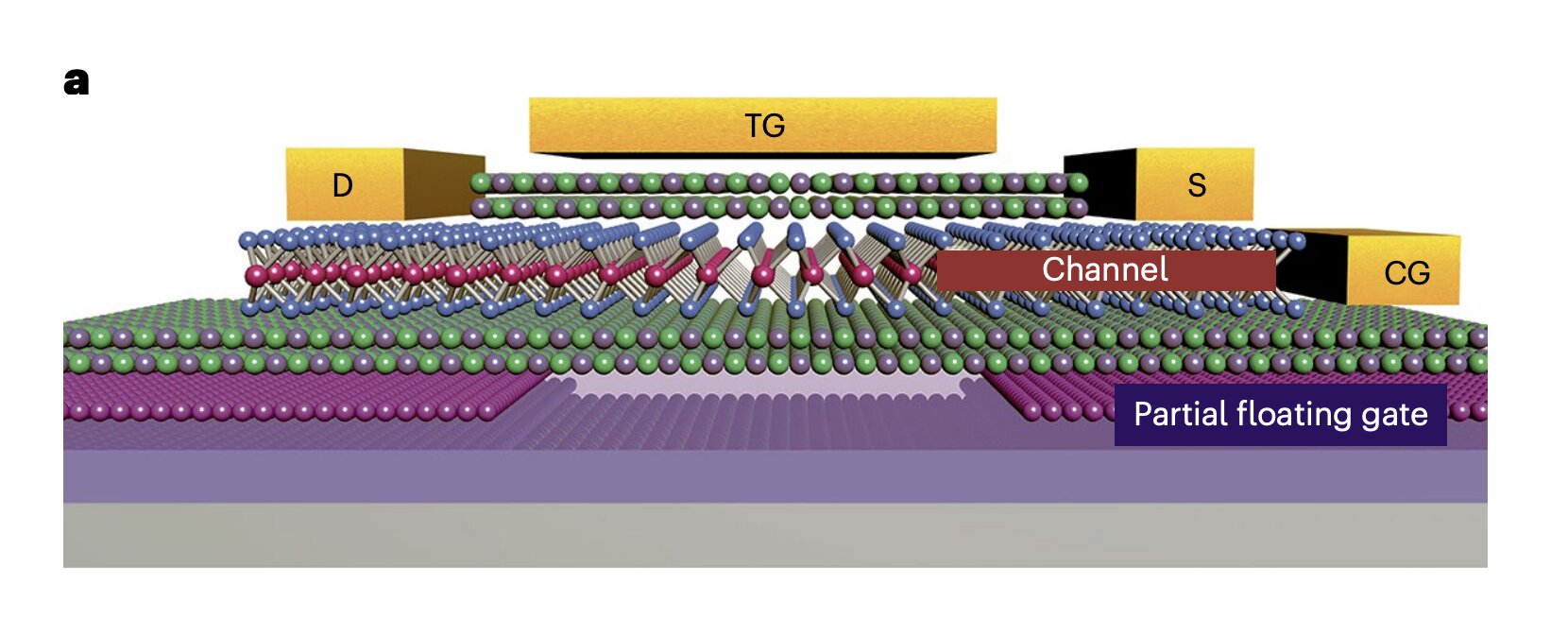
One key objective of electronics engineering research is to develop computing devices that are both highly performing and energy-efficient, meaning that they can compute information quickly while consuming little power...
Read More
December 9, 2022,
Astronomy/Space

New research sheds light on how the “hell planet” got so devilishly hot and how other worlds might become too toasty for life. That rocky world, 55 Cnc e (nicknamed “Janssen”), orbits its star so closely that a year lasts just 18 hours, its surface is a giant lava ocean, and its interior may be chock-full of diamond.
The fresh insights come thanks to a new tool called EXPRES that captured ultra-precise measurements of the starlight shining from Janssen’s sun, known as Copernicus or 55 Cnc...
Read More
Recent Comments