

Credits: NASA/Pablo Garcia
Some of the brightest objects in the sky are called blazars...
Read More


Until we recognize the essential role of biology, our attempts to truly unify the universe will remain a train to nowhere. ~Robert Lanza Read More

Good health is not something we can buy. However, it can be an extremely valuable savings account. ~Anne Wilson Schaef Read More

The only way forward, if we are going to improve the quality of the environment, is to get everybody involved. ~Richard Rogers Read More

To raise new questions, new possibilities, to regard old problems from a new angle, requires creative imagination and marks real advance in science. ~Albert Einstein Read More

Old Newtonian physics claimed that things have an objective reality separate from our perception of them. Quantum physics, and particularly Heisenberg's Uncertainty Principle, reveal that, as our perception of an object changes, the object itself literally changes. ~Marianne Williamson Read More

Astronomy compels the soul to look upwards and leads us from this world to another. ~ Read More
November 25, 2022,
 Astronomy/Space
Some of the brightest objects in the sky are called blazars...
Read More
November 25, 2022,
Health/Medical, Biology/Biotechnology
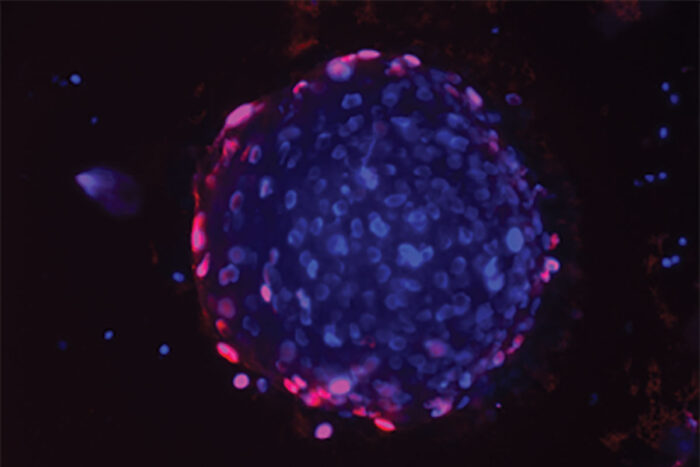
A single drug compound simultaneously attacks hard-to-treat prostate cancer on several fronts, according to a new study in mice and human cells...
Read More
November 24, 2022,
Physics
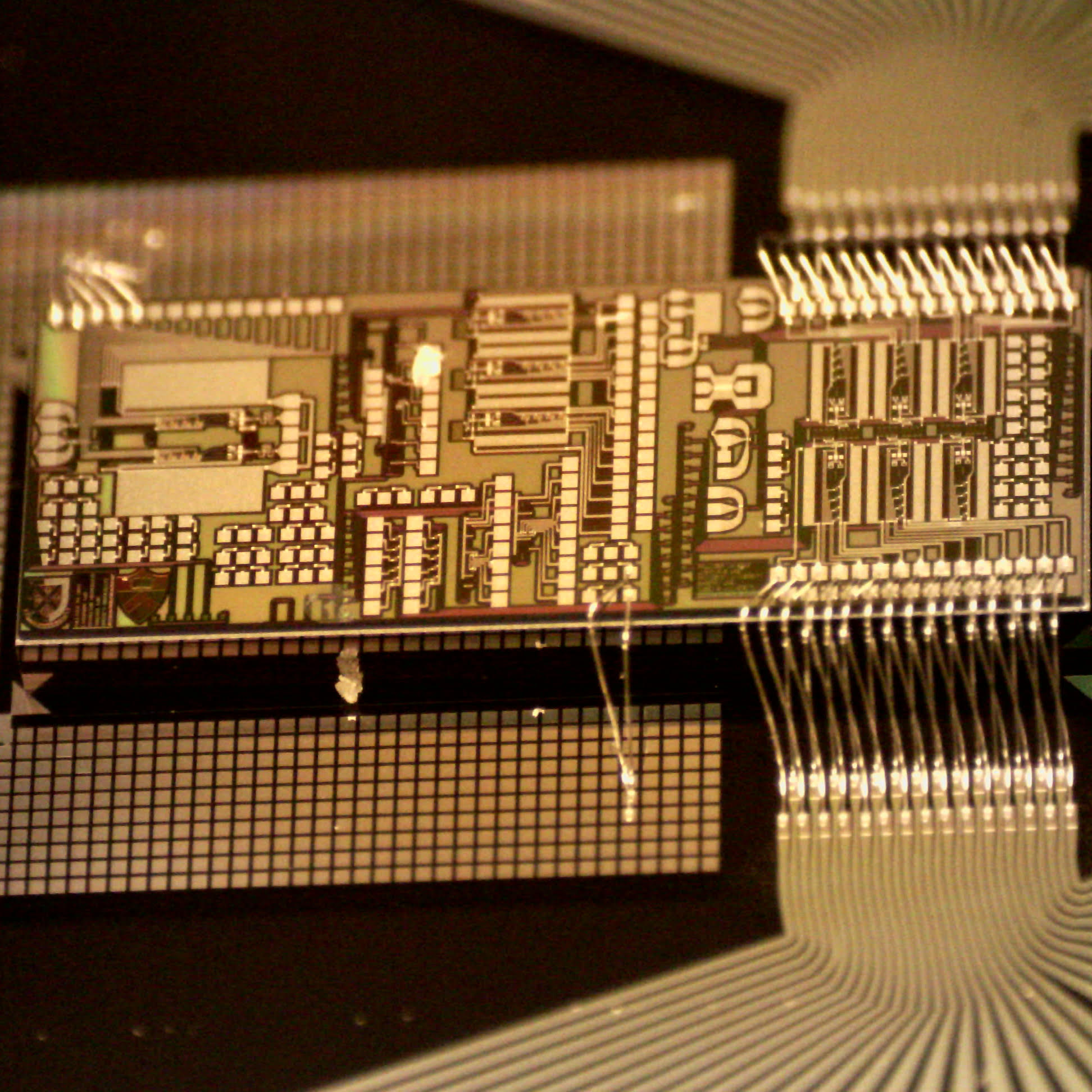
A multi-institution research team has developed an optical chip that can train machine learning hardware.
Machine learning applications skyrocketed to $165B annually, according to a recent report from McKinsey. But, before a machine can perform intelligence tasks such as recognizing the details of an image, it must be trained. Training of modern-day artificial intelligence (AI) systems like Tesla’s autopilot costs several million dollars in electric power consumption and requires supercomputer-like infrastructure. This surging AI “appetite” leaves an ever-widening gap between computer hardware and demand for AI...
Read More
November 24, 2022,
Astronomy/Space
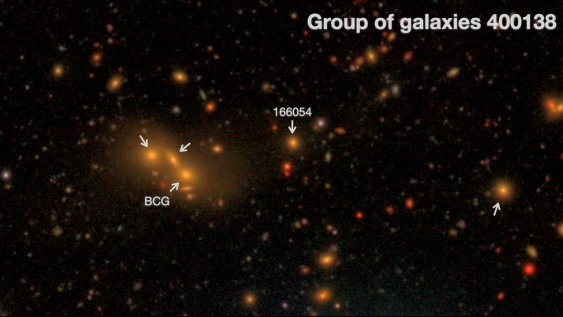
Pioneering a new technique, researchers have peered into the extremely faint light that exists between galaxies to describe the history and state of orphan stars. An international team of astronomers have turned a new technique onto a group of galaxies and the faint light between them — known as ‘intra-group light’ — to characterise the stars that dwell there.
Lead author of the study published in MNRAS, Dr Cristina Martínez-Lombilla from the School of Physics at UNSW Science, said “We know almost nothing about intra-group light.
“The brightest parts of the intra-group light are ~50 times fainter than the darkest night sky on Earth...
Read More
Recent Comments