Stars Determine their Own Masses

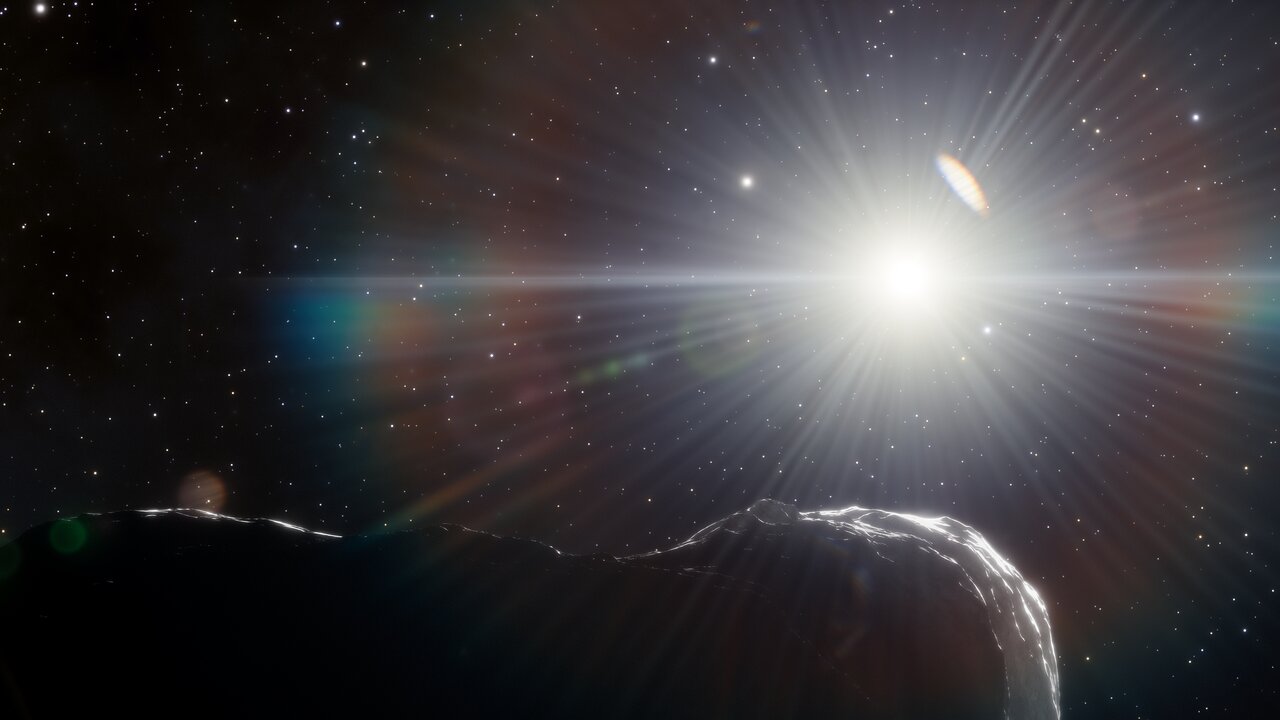
Simulation of a star-forming region, where massive stars destroy their parent cloud.

Simulations show why stars formed in different environments form similar masses. Last year, a team of astrophysicists including key members from Northwestern University launched STARFORGE, a project that produces the most realistic, highest-resolution 3D simulations of star formation to date. Now, the scientists have used the highly detailed simulations to uncover what determines the masses of stars, a mystery that has captivated astrophysicists for decades.

In a new study, the team discovered that star formation is a self-regulatory process. In other words, stars themselves set their own masses. This helps explain why stars formed in disparate environments still have similar masses...

Read More

Research Discovery may Help Diagnose and Treat Cancer and Brain Disorders

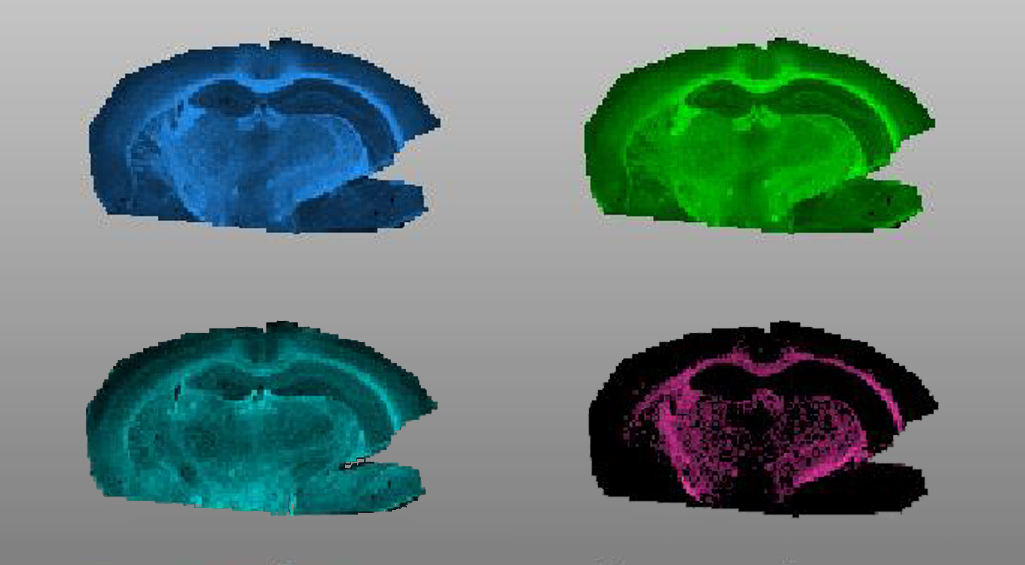
Cancer diagnosis pathways image

Researchers at Queen’s University Belfast discovered how the journey or molecular pathway of an identified protein is both essential for brain development and how an alteration to its pathway could result in the spread of cancer.

The study, published today in Nature Cell Biology, has revealed the molecular mechanisms of a timely and spatially controlled movement of cells that is essential for the migration of newborn neurons during brain development and can also cause the spread of cancer, or cancer metastasis throughout the body.

It is expected this discovery will have a huge impact on the fundamental understanding of cancer metastasis and brain development and could lead to earlier diagnosis and better treatments, the research authors said.

During brain development, neural ...

Read More

Human-Machine Interfaces work Underwater, Generate their Own Power

Human-machine interfaces work underwater, generate their own power
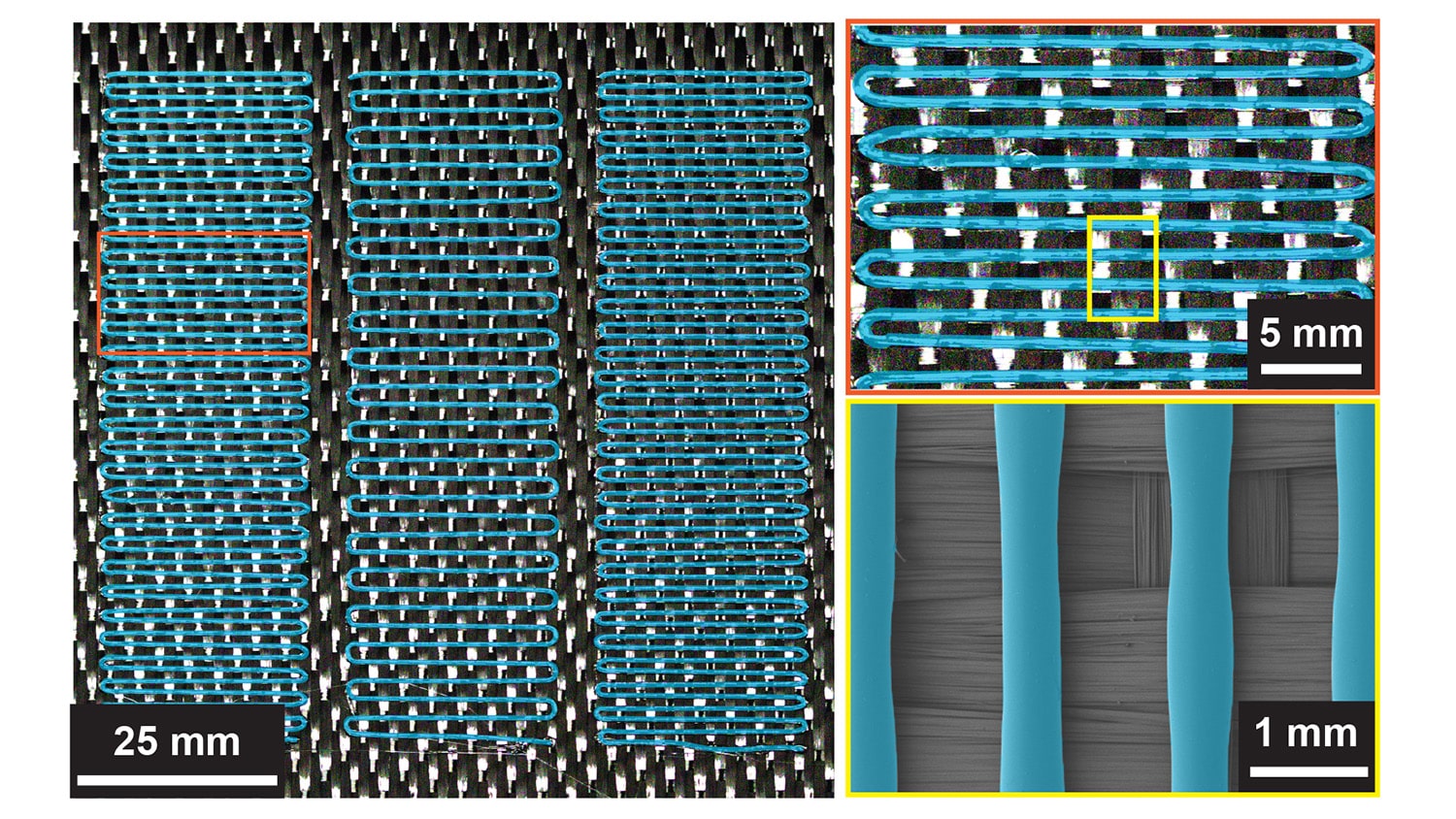
(Left) Photo of the magnetoelastic sensor array, which conforms to human skin and can function even when exposed to liquid. It can interact with a music speaker’s command components: play, pause, next, and previous. (Right two) The self-powered magnetoelastic sensor array is rollable and stretchable. Credit: The Jun Chen Research Group at UCLA: junchenlab.com

Wearable human-machine interface devices, HMIs, can be used to control machines, computers, music players, and other systems. A challenge for conventional HMIs is the presence of sweat on human skin.

In Applied Physics Reviews, scientists at UCLA describe their development of a type of HMI that is stretchable, inexpensive, and waterproof...

Read More

First-ever Detection of Gas in a Circumplanetary Disk

Scientists studying the young star AS 209 have detected gas in a circumplanetary disk for the first time, which suggests the star system may be harboring a very young Jupiter-mass planet. Science images from the research show (right) blob-like emissions of light coming from otherwise empty gaps in the highly-structured, seven-ring disk (left).
Credit: ALMA (ESO/NAOJ/NRAO), J. Bae (U. Florida)

Scientists using the Atacama Large Millimeter/submillimeter Array (ALMA) and partners at the National Radio Astronomy Observatory (NRAO) have made the first-ever detection of gas in an circumplanetary disk. What’s more, the detection also suggests the presence of a very young exoplanet. The results of the research are published in The Astrophysical Journal Letters.

Circumplanetary disks are an a...

Read More