Heaviest Neutron Star to date is a ‘Black Widow’ Eating its Mate

PSR J0952-0607: The Fastest and Heaviest Known Galactic Neutron Star
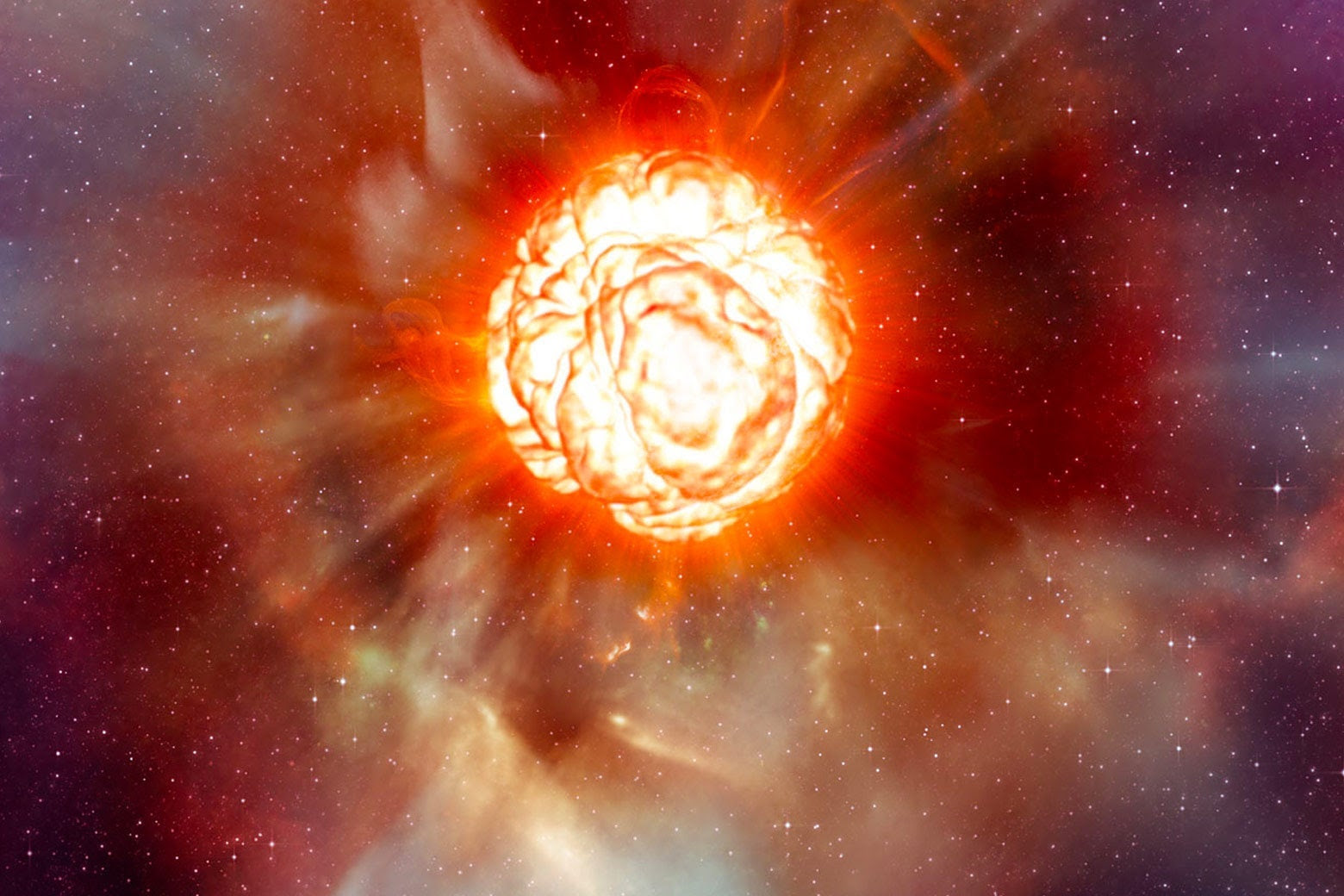
A spinning neutron star periodically swings its radio (green) and gamma-ray (magenta) beams past Earth in this artist’s concept of a black widow pulsar. The neutron star/pulsar heats the facing side of its stellar partner (right) to temperatures twice as hot as the sun’s surface and slowly evaporates it. Credit: NASA’s Goddard Space Flight Center

A dense, collapsed star spinning 707 times per second—making it one of the fastest spinning neutron stars in the Milky Way galaxy—has shredded and consumed nearly the entire mass of its stellar companion and, in the process, grown into the heaviest neutron star observed to date.

Weighing this record-setting neutron star, which tops the charts at 2...

Read More

The Chemical Controlling Life and Death in Hair Follicles

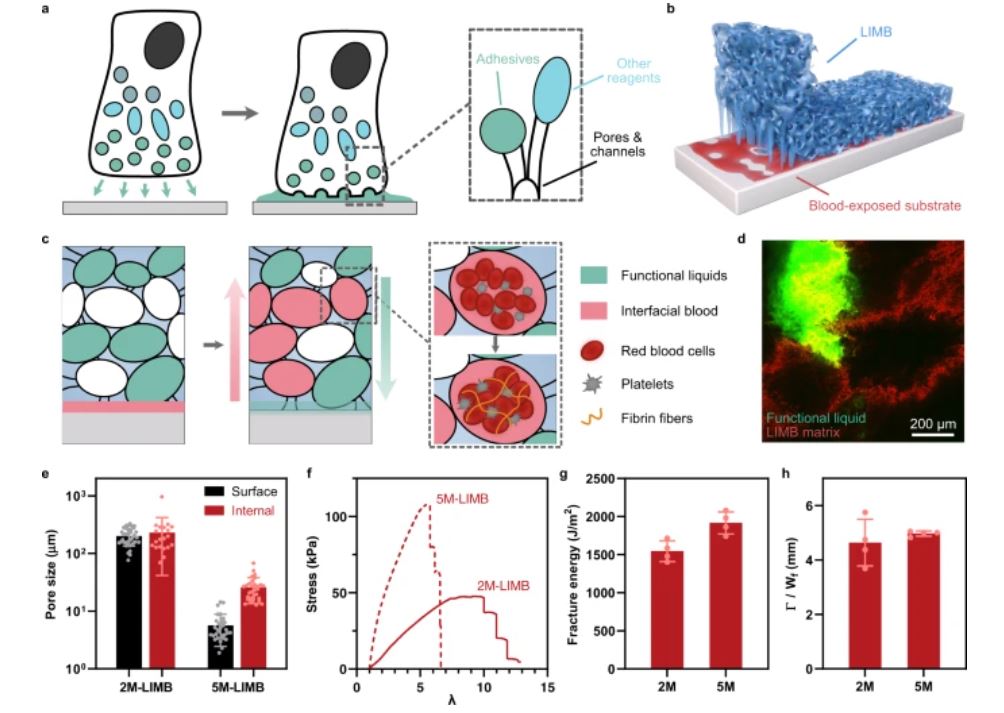
1) New understanding of the signals controlling whether hair follicles divide or die could help people heal from wounds or grow new hair. (Helpaeatcontu/Wikimedia)
2) Cross section of a typical hair follicle. (Qixuan Wang/UCR)

A single chemical is key to controlling when hair follicle cells divide, and when they die. This discovery could not only treat baldness, but ultimately speed wound healing because follicles are a source of stem cells.

Most cells in the human body have a specific form and function determined during embryonic development that does not change. For example, a blood cell cannot turn into a nerve cell, or vice versa. Stem cells, however, are like the blank tiles in a game of Scrabble; they can turn into other types of cells.

Their adaptability makes them useful ...

Read More

A New Leap in Understanding Nickel Oxide Superconductors

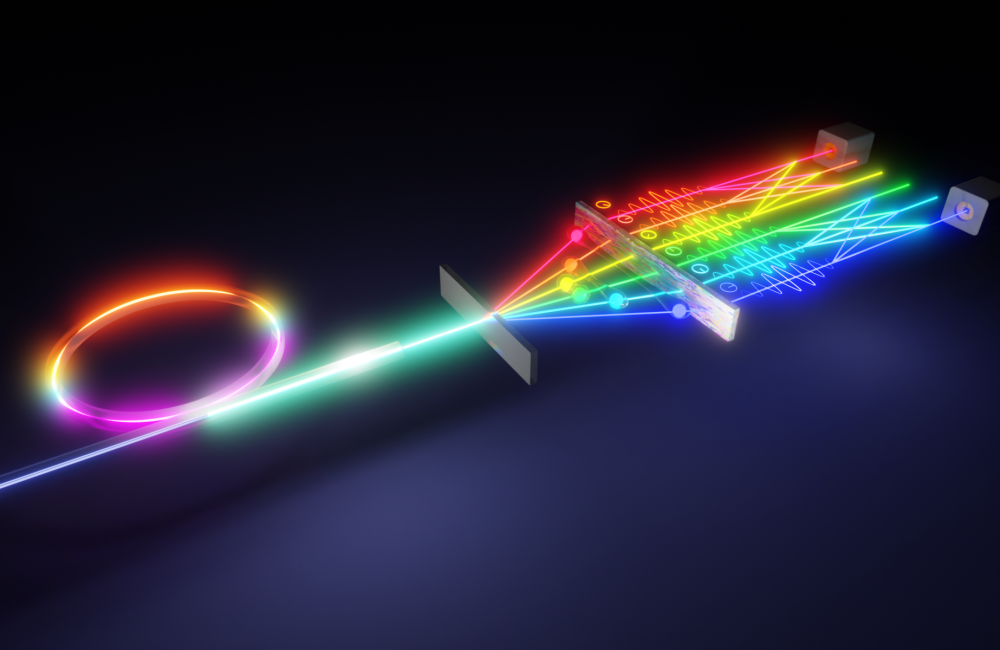
A new study shows that nickel oxide superconductors, which conduct electricity with no loss at higher temperatures than conventional superconductors do, contain a type of quantum matter called charge density waves, or CDWs, that can accompany superconductivity.

The presence of CDWs shows that these recently discovered materials, also known as nickelates, are capable of forming correlated states — “electron soups” that can host a variety of quantum phases, including superconductivity, researchers from the Department of Energy’s SLAC National Accelerator Laboratory and Stanford University reported in Nature Physics today.

“Unlike in any other superconductor we know about, CDWs appear even before we dope the material by replacing some atoms with others to change the number of elect...

Read More

Theoretical Model suggests Saltiness of Enceladus’s Oceans may be right to Sustain Life

Considered heat sources/sinks and salinity/temperature forcings in our Enceladus experiments

A team of researchers at MIT has found via theoretical modeling that the saltiness of the oceans on Saturn’s moon, Enceladus, may be the right level to sustain life. In their paper published in the journal Science Advances, the group describes the factors that went into building their model and the features of Enceladus that were used to measure the saltiness of its oceans.

The combined data from the Cassini and Galileo missions showed that Saturn’s moon Enceladus and Jupiter’s moon Europa both hold potential for satisfying three of the main features believed to be necessary for supporting life on other celestial bodies: they have a source of energy, they have liquid water and they have a mi...

Read More