Undead Planets: The nusual Conditions of the First Exoplanet Detection

The artist's impression shows a blue and white hued pulsar in the background and a large dark planet in the foreground.
Artist impression of the pulsar-planet system PSR B1257+12 detected in 1992. The pulsar and three radiation-doused planets are all that remains of a dead star system.
Credit
NASA/JPL-Caltech
Licence type
Attribution (CC BY 4.0)

The first ever exoplanets were discovered 30 years ago around a rapidly rotating star, called a pulsar. Now, astronomers have revealed that these planets may be incredibly rare. The new work will be presented tomorrow (Tuesday 12 July) at the National Astronomy Meeting (NAM 2022) by Iuliana Nițu, a PhD student at the University of Manchester.

The processes that cause planets to form, and survive, around pulsars are currently unknown...

Read More

Two different White Blood Cell types play Opposing Roles in affecting Heartbeat irregularities after heart attack

Two different white blood cell types play opposing roles in affecting heartbeat irregularities after heart attack
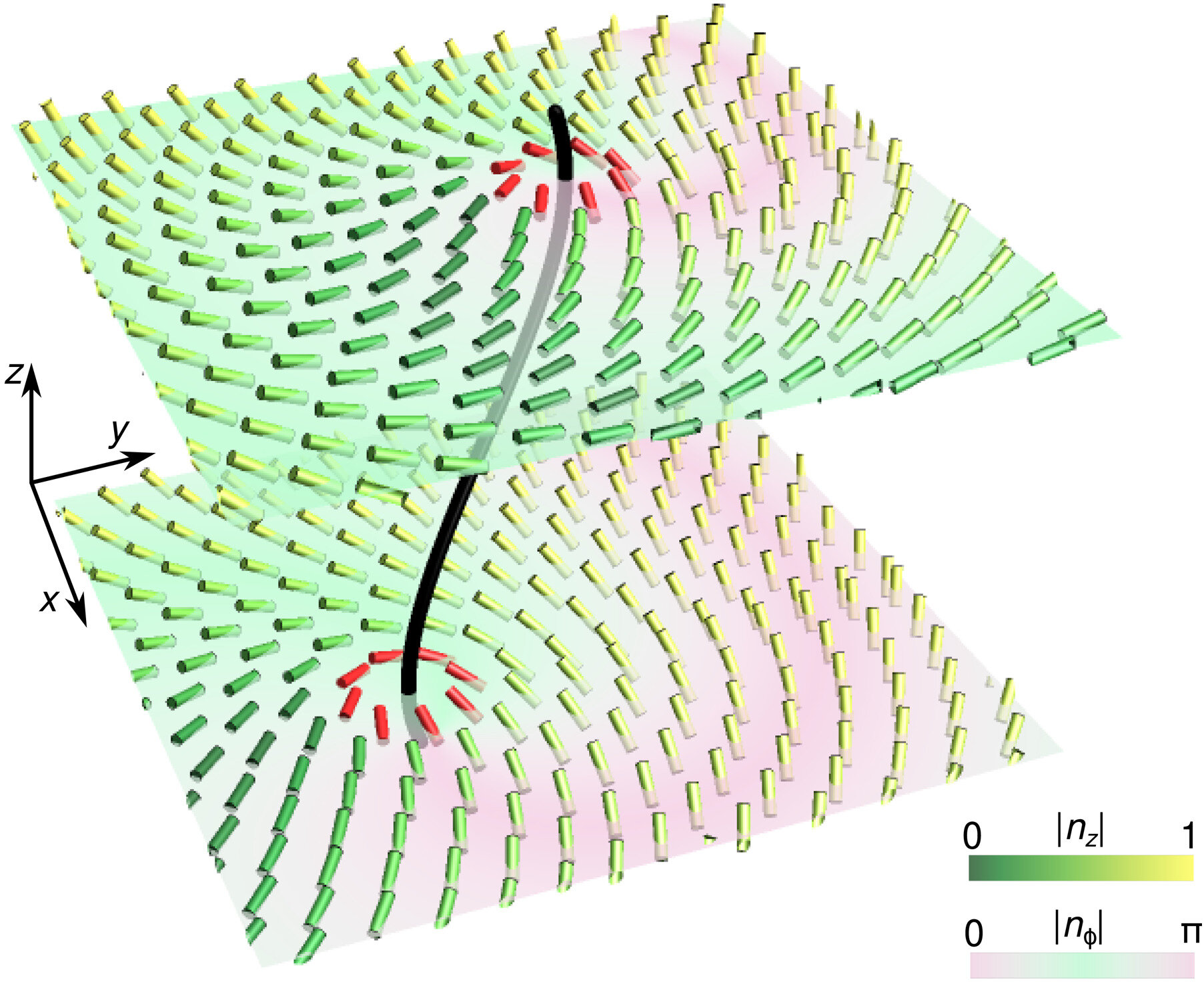
Summary of findings. Credit: Nature Cardiovascular Research (2022). DOI: 10.1038/s44161-022-00094-w

Neutrophils promote irregularities while macrophages protect against them. Patients with heart disease are at risk of experiencing a potentially lethal “electrical storm” involving recurrent episodes of a type of irregular heartbeat called ventricular tachycardia (VT).

Electric shock therapy is used to treat VT following a heart attack, but unfortunately, options to prevent its recurrence are limited.

New research led by investigators at Massachusetts General Hospital (MGH) reveals that two different white blood cell types influence VT in the heart, suggesting that treatments that influence these cells may help reduce patients’ risk of sudden cardiac death.

The work, which is pu...

Read More

Future Smart Homes could be Powered with Electronics built on Stones

An array of stones
Interconnected microenergy devices built on marble tiles create customizable 3D power supply systems.
Credit: Adapted from ACS Nano 2022, DOI: 10.1021/acsnano.2c01753

What if you could power the smart thermostats, speakers and lights in your home with a kitchen countertop? Stones, such as marble and granite, are natural, eco-friendly materials that many people building or renovating houses already use. Now, in a step toward integrating energy storage with these materials, researchers have fabricated microsupercapacitors onto the surface of stone tiles. The devices, reported in ACS Nano, are durable and easily scaled up for customizable 3D power supplies.

It would be convenient if the surfaces in rooms could charge smart home devices or other small electronics without being connected ...

Read More

Webb reveals Steamy Atmosphere of Distant Planet in Detail

NASA’s James Webb Space Telescope has captured the distinct signature of water, along with evidence for clouds and haze, in the atmosphere surrounding a hot, puffy gas giant planet orbiting a distant Sun-like star.

The observation, which reveals the presence of specific gas molecules based on tiny decreases in the brightness of precise colors of light, is the most detailed of its kind to date, demonstrating Webb’s unprecedented ability to analyze atmospheres hundreds of light-years away.

While the Hubble Space Telescope has analyzed numerous exoplanet atmospheres over the past two decades, capturing the first clear detection of water in 2013, Webb’s immediate and more detailed observation marks a giant leap forward in the quest to characterize potentially habitable planets b...

Read More