Buildup of Solar Heat Likely Contributes to Mars’ Dust Storms, Researchers Find

UH researchers found a link between Mars’ dust storms and its seasonal energy imbalance. Further studies could grant insight into how ancient climate change affected the Red Planet, perhaps even how Earth’s future may be shaped by climate change. At left, Mars in clear conditions; at right, Mars enveloped by a seasonal dust storm. Photo credit: NASA / JPL / MSSS

Traces of Long-Ago Climate Change Could Foretell Earth’s Own Climate Troubles. A seasonal imbalance in the amount of solar energy absorbed and released by the planet Mars is a likely cause of the dust storms that have long intrigued observers, a team of researchers reports.

Mars’ extreme imbalance in energy budget (a term referring to the measurement of solar energy a planet takes in from the sun then releases as heat)...

Read More

Type-I Interferon Stops Immune System from ‘going rogue’ during Viral Infections

McMaster University researchers have found not only how some viral infections cause severe tissue damage, but also how to reduce that damage.

They have discovered how Type I interferon (IFN) stops the immune system from “going rogue” and attacking the body’s own tissues when fighting viral infections, including COVID-19.

Their paper was published in the journal PLOS Pathogens.

Senior author Ali Ashkar said IFN is a well-known anti-viral signaling molecule, that when released by the body’s cells, can trigger a powerful immune response against harmful viruses.

“What we have found is that it is also critical to stop white blood cells from releasing protease enzymes, which can damage organ tissue...

Read More

Major Infrared Breakthrough could lead to Solar Power at Night

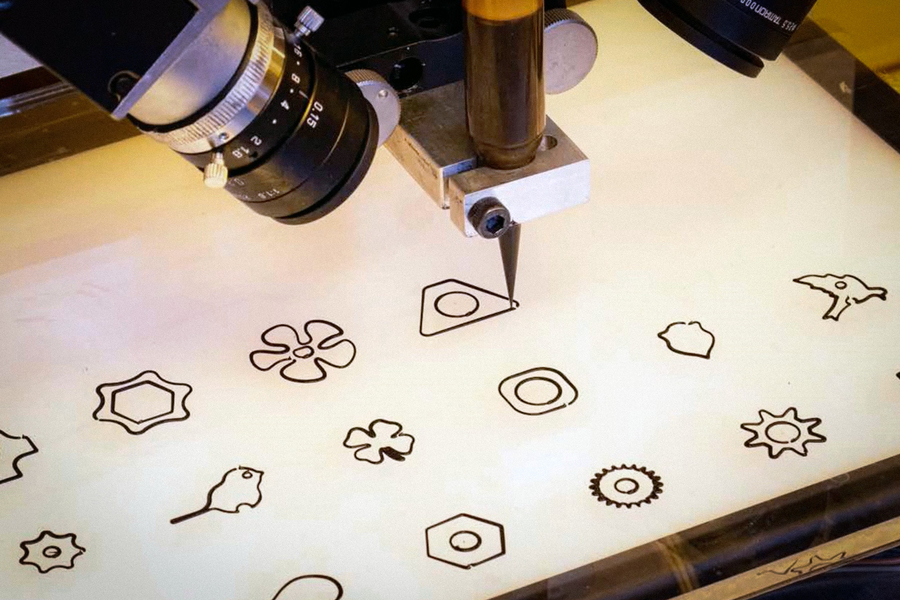
The sun’s enormous energy may soon be harnessed in the dark of night following a significant advance in thermal capture technology.

Solar radiation heats the earth’s crust significantly during daylight hours, but that energy is lost into the coldness of space when the sun goes down.

Now, researchers within the School of Photovoltaic and Renewable Energy Engineering at UNSW Sydney have successfully tested a device capable of converting infrared heat into electrical power.

The team, including members of the ARC Centre of Excellence in Exciton Science, used a power-generation device called a ‘thermo-radiative diode’, which is similar to the technology in night-vision goggles.

Exciton Science Associate Investigator Nicholas Ekins-Daukes, the leader of the research team, said: ...

Read More

Extraterrestrial Stone Brings first Supernova Clues to Earth

Samples of the extraterrestrial Hypatia stone next to a small coin.

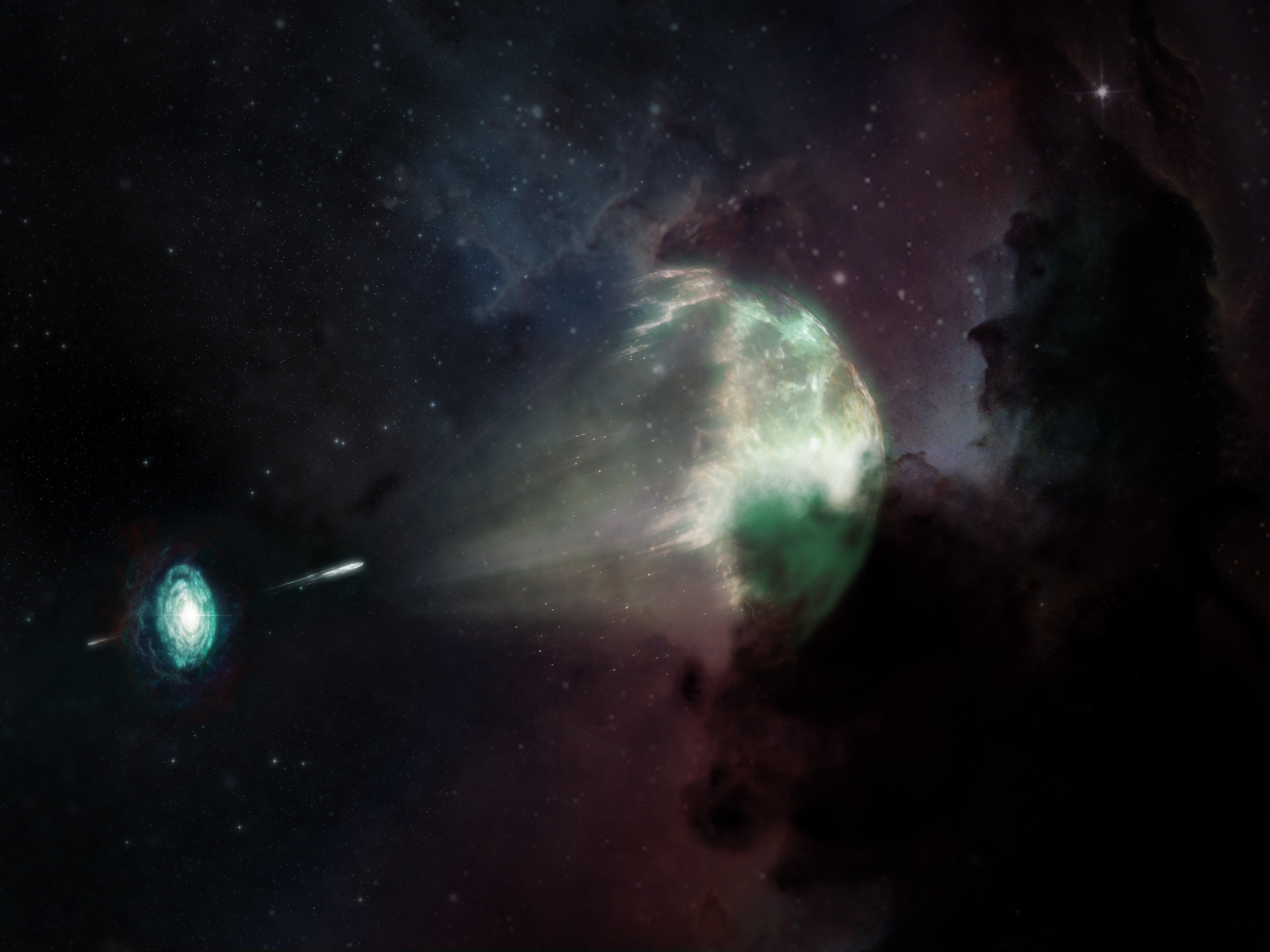
New chemistry ‘forensics’ indicate that the stone named Hypatia from the Egyptian desert could be the first tangible evidence found on Earth of a supernova typeIa explosion. These rare supernovas are some of the most energetic events in the universe.

This is the conclusion from a new study published in the journal Icarus, by Jan Kramers, Georgy Belyanin and Hartmut Winkler of the University of Johannesburg, and others.

Since 2013, Belyanin and Kramers have discovered a series of highly unusual chemistry clues in a small fragment of the Hypatia Stone.

In the new research, they eliminate ‘cosmic suspects’ for the origin of the stone in a painstaking process...

Read More