Engineered Crystals could help Computers Run on Less Power

University of California, Berkeley, engineers have created engineered crystal structures that display an unusual physical phenomenon known as negative capacitance. Incorporating this material into advanced silicon transistors could make computers more energy efficient. Credit: Ella Maru Studio, University of California – Berkeley

Computers may be growing smaller and more powerful, but they require a great deal of energy to operate. The total amount of energy the U.S. dedicates to computing has risen dramatically over the last decade and is quickly approaching that of other major sectors, like transportation.

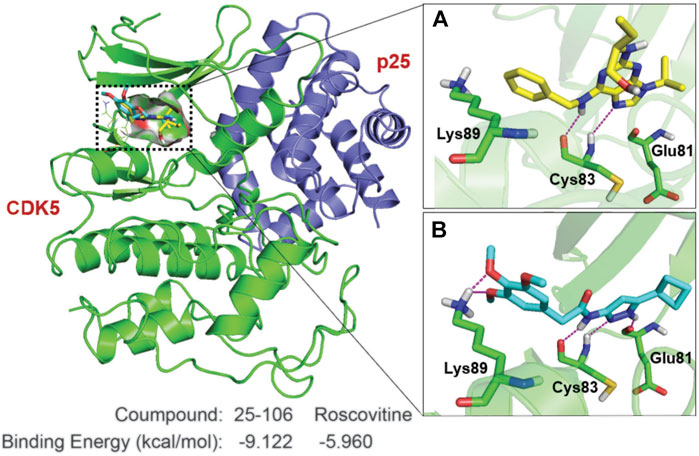
In a study published online this week the journal Nature, University of California, Berkeley, engineers describe a major breakthrough in the design of a component of transistors...

Read More

Old Skin Cells Reprogrammed to Regain Youthful Function

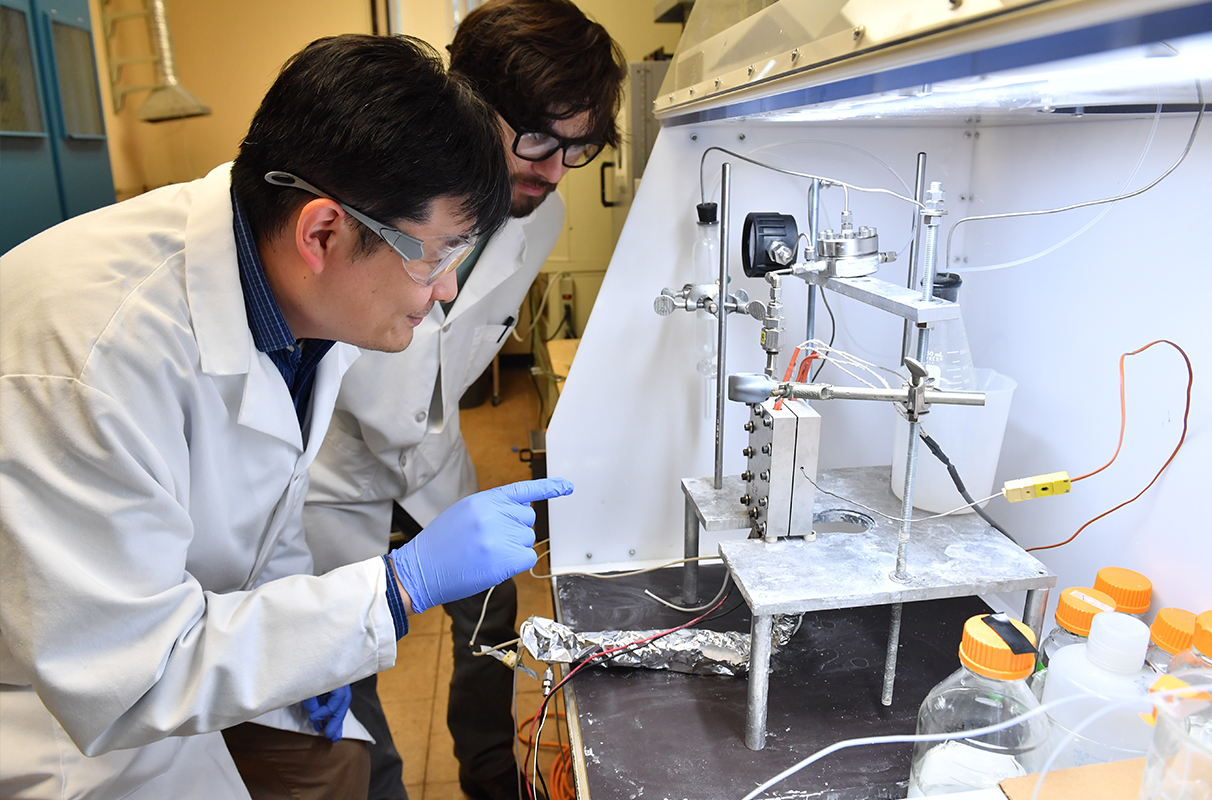
Research from the Babraham Institute has developed a method to “time jump” human skin cells by 30 years, turning back the aging clock for cells without losing their specialized function. Work by researchers in the Institute’s Epigenetics research program has been able to partly restore the function of older cells, as well as rejuvenating the molecular measures of biological age. The research is published today in the journal eLife, and while this topic is still at an early stage of exploration, it could revolutionize regenerative medicine.

What is regenerative medicine?

As we age, our cells’ ability to function declines and the genome accumulates marks of aging. Regenerative biology aims to repair or replace cells including old ones...

Read More

Astronomers have Spotted the Farthest Galaxy ever

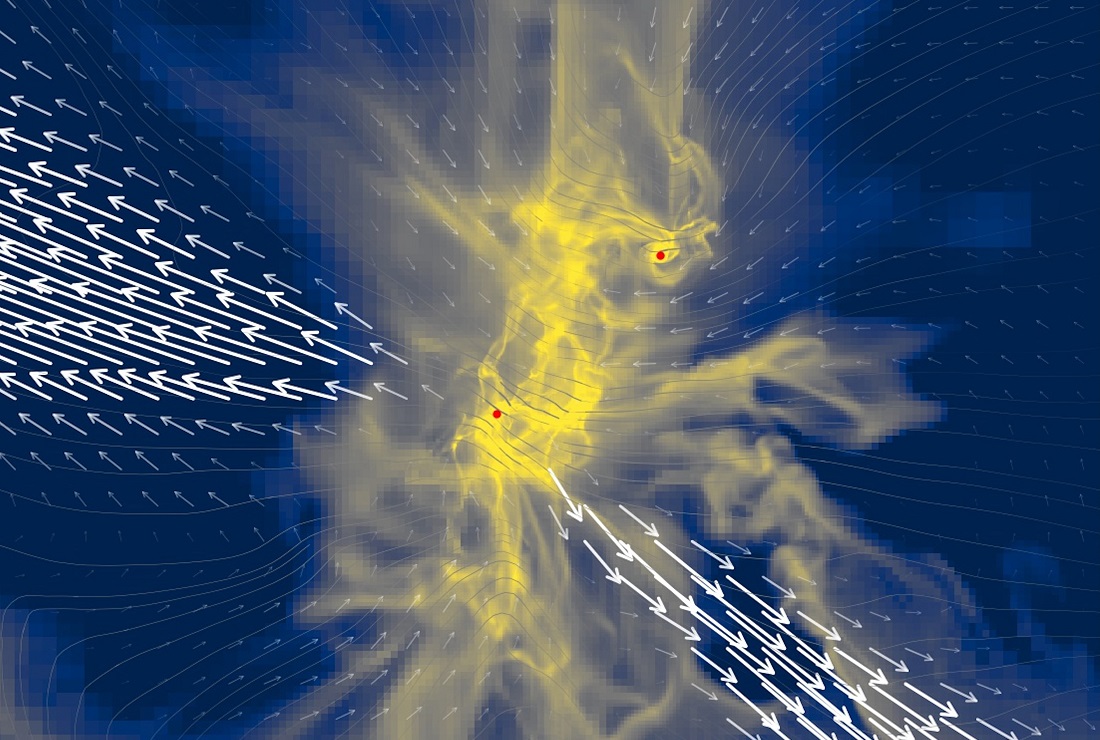
Harikane et al.

An international team of astronomers, including researchers at the Center for Astrophysics | Harvard & Smithsonian, has spotted the most distant astronomical object ever: a galaxy.

Named HD1, the galaxy candidate is some 13.5 billion light-years away and is described Thursday in the Astrophysical Journal. In an accompanying paper published in the Monthly Notices of the Royal Astronomical Society Letters, scientists have begun to speculate exactly what the galaxy is.

The team proposes two ideas: HD1 may be forming stars at an astounding rate and is possibly even home to Population III stars, the universe’s very first stars — which, until now, have never been observed...

Read More

Astronomers Detect ‘Galactic Space Laser’

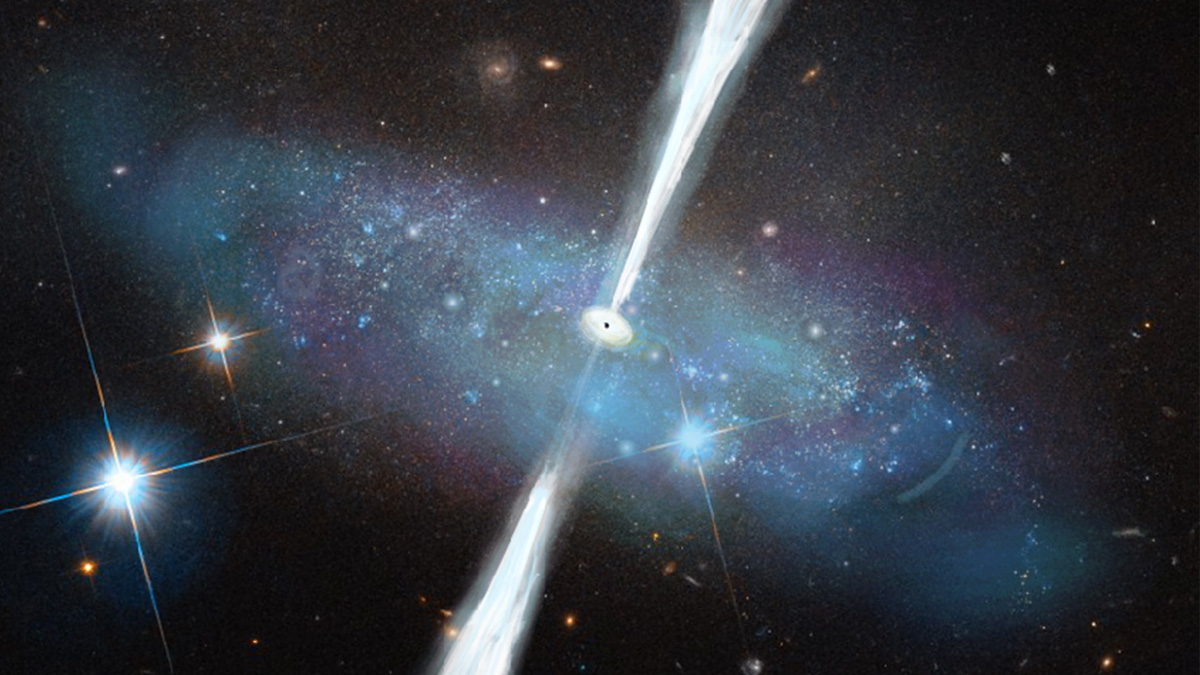
Artist’s impression of a hydroxyl maser. Inside a galaxy merger are hydroxyl molecules, composed of one atom of hydrogen and one atom of oxygen. When one molecule absorbs a photon at 18cm wavelength, it emits two photons of the same wavelength. When molecular gas is very dense, typically when two galaxies merge, this emission gets very bright and can be detected by radio telescopes such as the MeerKAT. © IDIA/LADUMA using data from NASA/StSci/SKAO/MolView

A powerful radio-wave laser, called a ‘megamaser’, has been observed by the MeerKAT telescope in South Africa. The record-breaking find is the most distant megamaser of its kind ever detected, at about five billion light years from Earth.

The light from the megamaser has travelled 58 thousand billion billion (58 followed by 21 z...

Read More