Highly Responsive Immune Cells seem to be Beneficial for the Brain

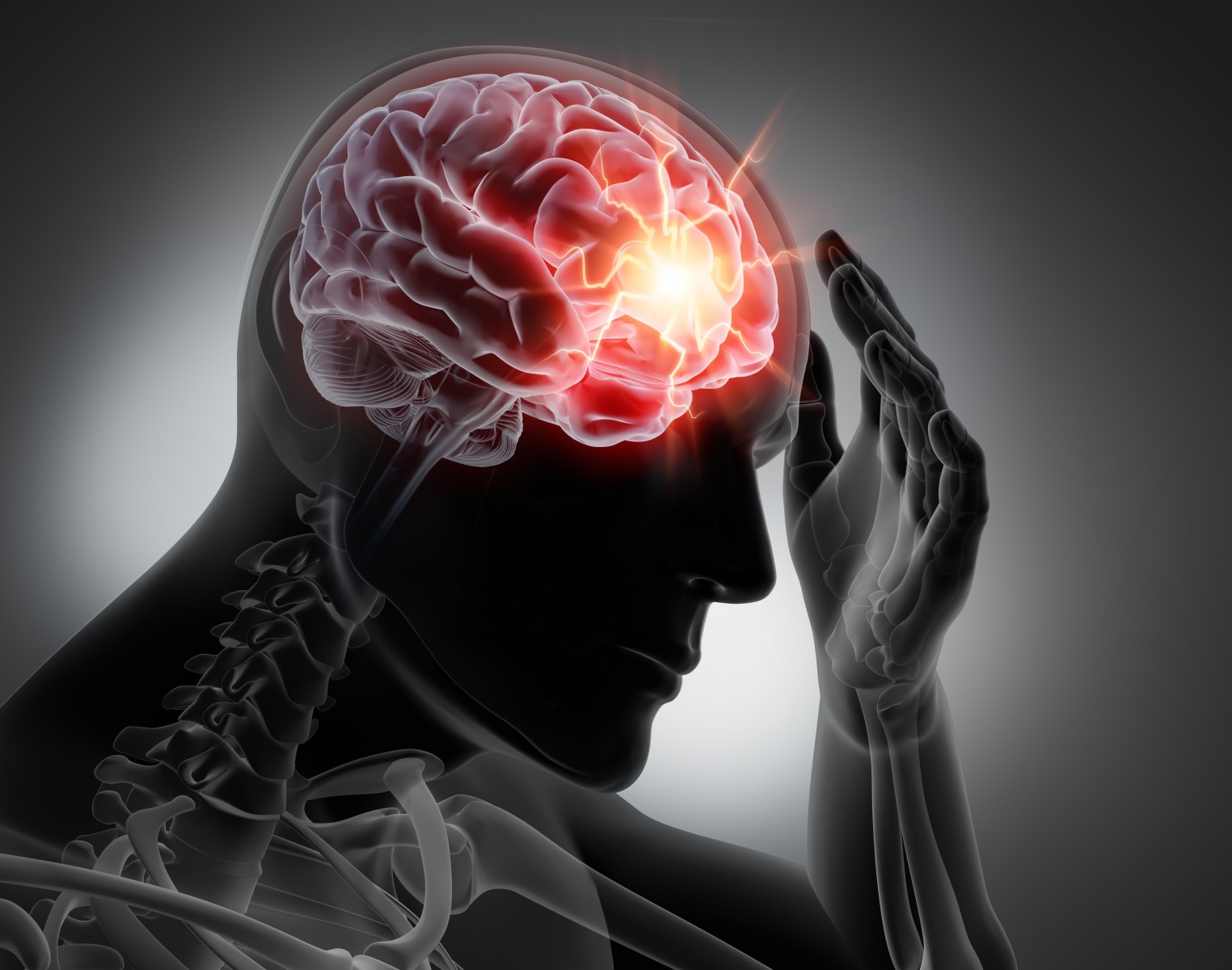
New insights into the mechanisms of neurodegenerative diseases. Findings by researchers from Germany support the view that hyperactive immune cells in the brain can have a protective effect in the course of neurodegenerative diseases. Experts from Deutsches Zentrum für Neurodegenerative Erkrankungen (DZNE), Ludwig-Maximilians-Universität München (LMU) and LMU Klinikum München report on this in the scientific magazine The EMBO Journal. The scientists are currently considering that modulating the activity of immune cells in the brain via a receptor called TREM2 may significantly impact neurodegenerative disease processes. Thus, they see activating TREM2 as a promising approach for drug research.

The immune cells of the brain — called “microglia” — act against pathogens, help to c...

Read More

Disorder-Engineered Inorganic Nanocrystals set a New Efficiency Record for Ultrathin Solar Cells

ICFO researcher Yongjie Wang holding the device in his hand with ICREA Prof. at ICFO Gerasimos Konstantatos in the back. ©ICFO

Displayed over roof tops and in solar farms, silicon-based solar cells are, so far, one of the most efficient systems in generating electricity from sunlight, but their fabrication can be expensive and energy demanding, aside from being heavy and bulky. The alternative solution of lower-cost thin film solar cells also brings the caveat of being mainly composed of toxic elements such as lead or cadmium, or containing scarce elements such as indium or tellurium.

In the search for new technologies for thin photovoltaic systems, solar cells based on AgBiS2 nanocrystals have emerged as a star player in the game, consisting of nontoxic, earth-abundant elements, p...

Read More

Astronomers Discover Exceedingly Rare Magnetic Hybrid Pulsating Star

Artist concept of TESS observing an M dwarf star with orbiting planets. (NASA’s Goddard Space Flight Center)

A team of astronomers have made the discovery of a lifetime that will help answer burning questions on the evolution of stars. The group is led by Evolutionary Studies Initiative member and Stevenson Professor of Physics and Astronomy, Keivan Stassun.

Stassun’s team generated a new model that greatly improved the way stars are measured in 2017.

“Being able to combine all of the different types of measurements into one coherent analysis was certainly key to being able to decipher the various unusual characteristics of this star system,” Stassun said.

The model helps predict the types of planets orbiting distant stars—called exoplanets...

Read More

Electron Conspiracy in a Japanese Lattice Pattern: Kagome Metals Baffle Science

The kagome lattice is composed of three interwoven triangular lattices. For KV3Sb5, each such triangular lattice (denoted red, blue, and green) represent one type of Vanadium sublattice which together form the Kagome metal. The particular kagome lattice structure leads to intriguing quantum effects which yields collective electronic quantum states such as a potentially unprecedented form of superconductivity. (Image: Pixelwg Jörg Bandmann / ct.qmat)

Toward a new kind of superconductivity: In the past four years scientists have discovered metals whose crystal structure mimics that of a traditional Japanese woven bamboo pattern: kagome metals...

Read More