The Upside-Down Orbits of a Multi-Planetary System

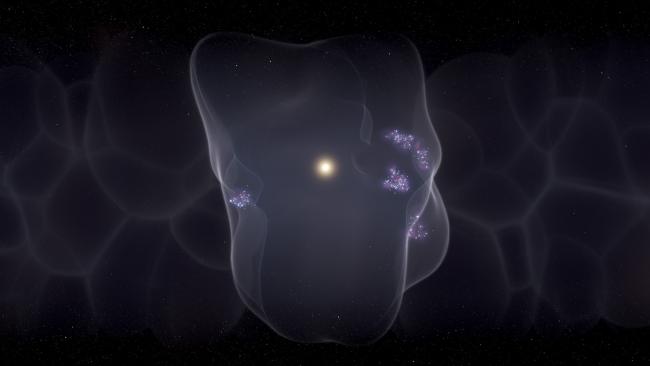
Astronomers have discovered exoplanets that orbit in planes at 90 degrees from each other. When planets form, they usually continue their orbital evolution in the equatorial plane of their star. However, an international team, led by astronomers from the University of Geneva (UNIGE), Switzerland, has discovered that the exoplanets of a star in the constellation Pisces orbit in planes perpendicular to each other, with the innermost planet the only one still orbiting in the equatorial plane. Why so? This radically different configuration from our solar system could be due to the influence of a distant companion of the star that is still unknown...

Read More

Unlocking the Technology to produce Unbreakable Screens

Unlocking the technology to produce unbreakable screens
Luminating composite glass. Credit: The University of Queensland

Cracked phone screens could become a thing of the past thanks to breakthrough research conducted at The University of Queensland.

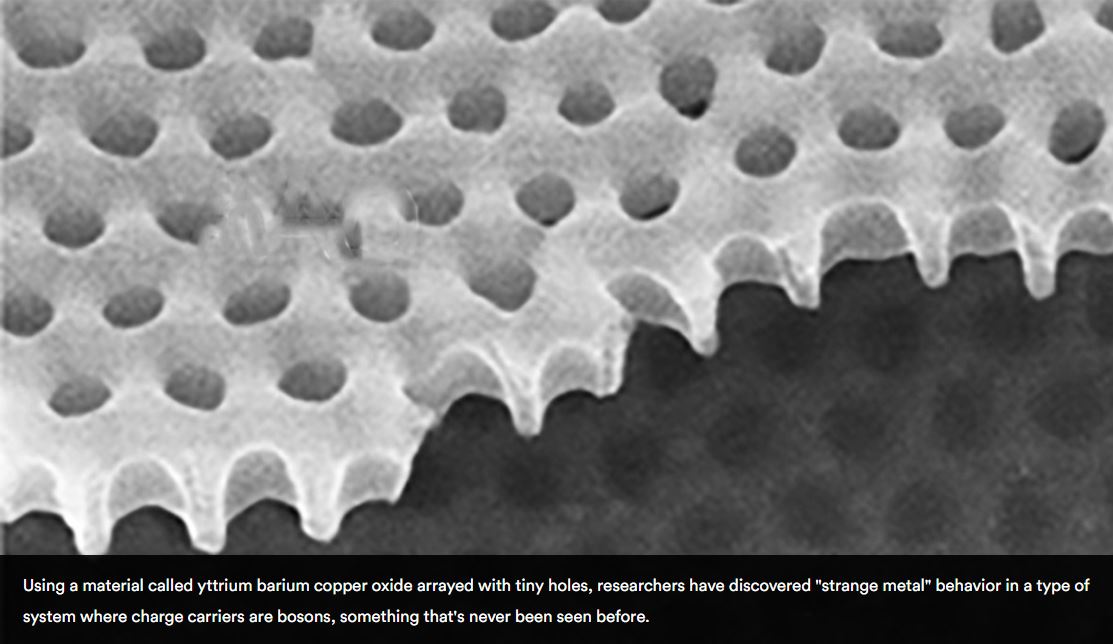
The global team of researchers, led by UQ’s Dr Jingwei Hou, Professor Lianzhou Wang and Professor Vicki Chen, have unlocked the technology to produce next-generation composite glass for lighting LEDs and smartphone, television and computer screens.

The findings will enable the manufacture of glass screens that are not only unbreakable but also deliver crystal clear image quality.

Dr Hou said the discovery was a huge step forward in perovskite nanocrystal technology as previously, researchers were only able to produce this technology in the bone-dry atmosphere of a laboratory setting.

...Read More

Juno Peers Deep into Jupiter’s Colorful Belts and Zones

Juno peers deep into Jupiter's colourful belts and zones
Artist’s impression based on JunoCam image of Jupiter acquired on July 21, 2021. Enhanced to highlight features, clouds, colours, and the beauty of Jupiter. Credit: NASA/SwRI/MSSS/Tanya Oleksuik

Leicester study of data captured in orbit around Jupiter has revealed new insights into what’s happening deep beneath the gas giant’s distinctive and colourful bands.

Data from the microwave radiometer carried by NASA’s Juno spacecraft shows that Jupiter’s banded pattern extends deep below the clouds, and that the appearance of Jupiter’s belts and zones inverts near the base of the water clouds. Microwave light allows planetary scientists to gaze deep beneath Jupiter’s colourful clouds, to understand the weather and climate in the warmer, darker, deeper layers.

At altitudes shallower than...

Read More

Sweet! How Glycogen is linked to Heat Generation in Fat Cells

Artistic rendering of a brown fat cell with nucleus in pink, mitochondria in purple and yellow lipid droplets scattered throughout. Image courtesy of Scientific Animations.

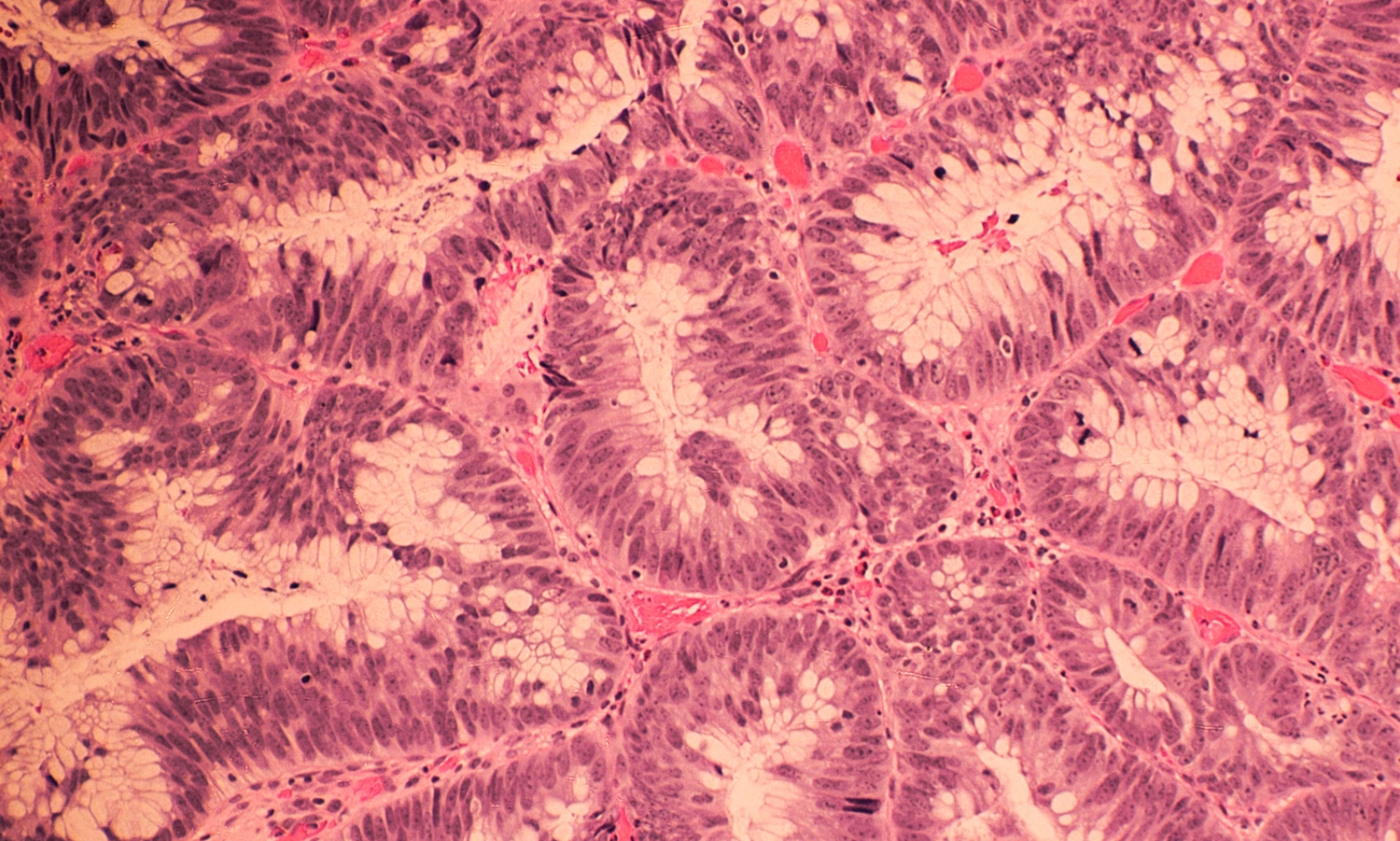
Researchers describe how energy expenditure and heat production are regulated in obesity through a previously unknown cellular pathway. Humans carry around with them, often abundantly so, at least two kinds of fat tissue: white and brown. White fat cells are essentially inert containers for energy stored in the form of a single large, oily droplet. Brown fat cells are more complex, containing multiple, smaller droplets intermixed with dark-colored mitochondria — cellular organelles that give them their color and are the “engines” that convert the lipid droplets into heat and energy.

Some people also have “beige”...

Read More