
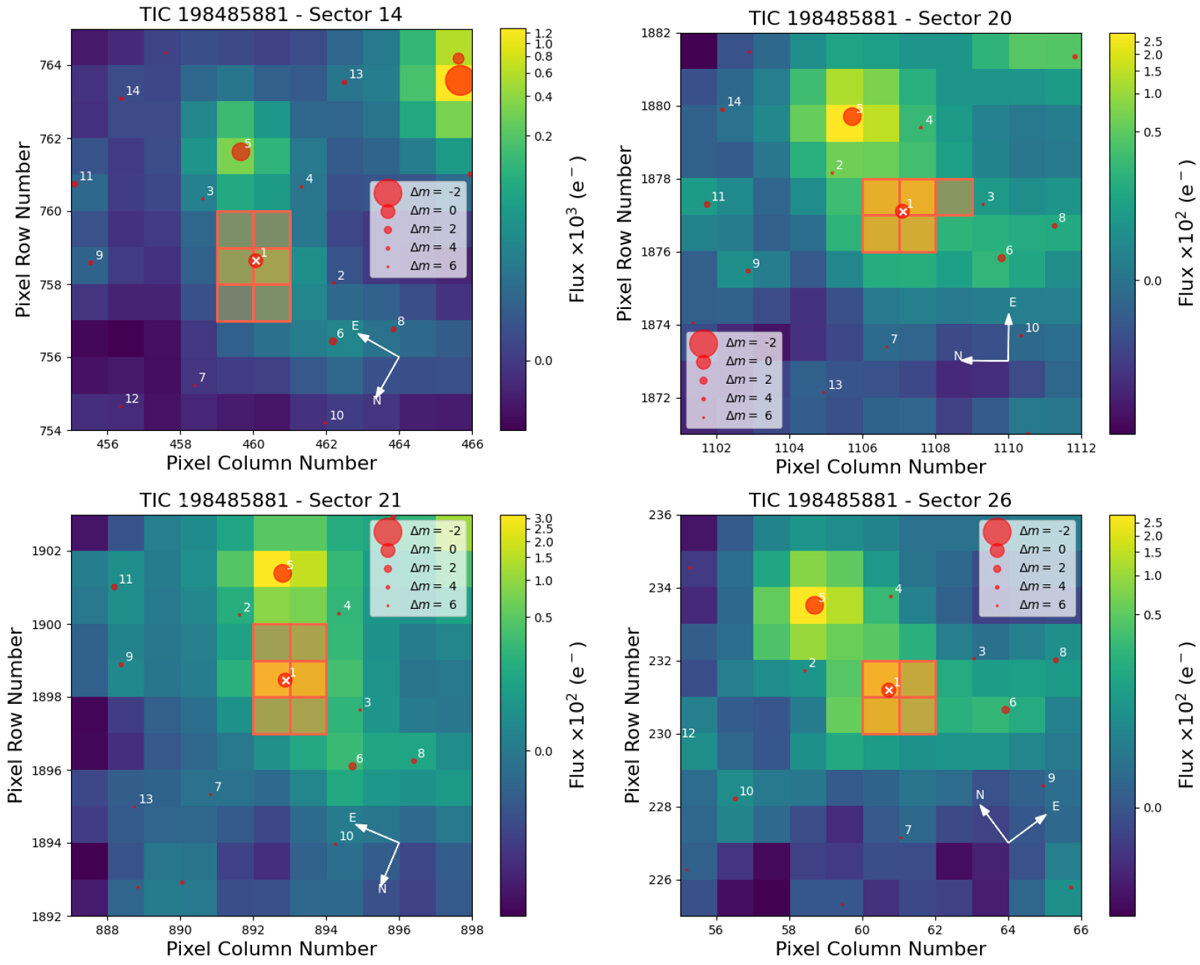
Eccentric exoplanet discovered Led by the University of Bern, an international research team has discovered a sub-Neptune exoplanet orbiting a red dwarf star...
Read More


Until we recognize the essential role of biology, our attempts to truly unify the universe will remain a train to nowhere. ~Robert Lanza Read More

Good health is not something we can buy. However, it can be an extremely valuable savings account. ~Anne Wilson Schaef Read More

The only way forward, if we are going to improve the quality of the environment, is to get everybody involved. ~Richard Rogers Read More

To raise new questions, new possibilities, to regard old problems from a new angle, requires creative imagination and marks real advance in science. ~Albert Einstein Read More

Old Newtonian physics claimed that things have an objective reality separate from our perception of them. Quantum physics, and particularly Heisenberg's Uncertainty Principle, reveal that, as our perception of an object changes, the object itself literally changes. ~Marianne Williamson Read More

Astronomy compels the soul to look upwards and leads us from this world to another. ~ Read More
January 8, 2022,
 Astronomy/Space
Eccentric exoplanet discovered Led by the University of Bern, an international research team has discovered a sub-Neptune exoplanet orbiting a red dwarf star...
Read More
January 7, 2022,
Physics, Technology/Electronics
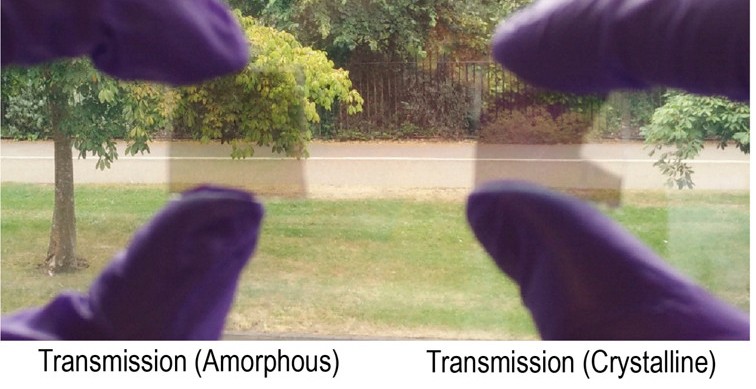
New research takes energy efficient windows a step further by proposing a new “smart window” design that would harvest the sun’s energy in the winter to warm the house and reflect it in the summer to keep it cool.
Homeowners know that the type of windows in a house contribute greatly to heating and cooling efficiency. And that’s a big deal — maintaining indoor temperatures consumes great amounts of energy and accounts for 20 to 40 percent of the national energy budgets in developed countries. The work was recently published in the journal ACS Photonics and funded as part of the EPSRC Wearable and Flexible Technologies Collaboration.
“The major innovation is that these windows can change according to seasonal needs,” explained Nathan Youngblood, assistant professor of electrical ...
Read More
January 7, 2022,
Astronomy/Space
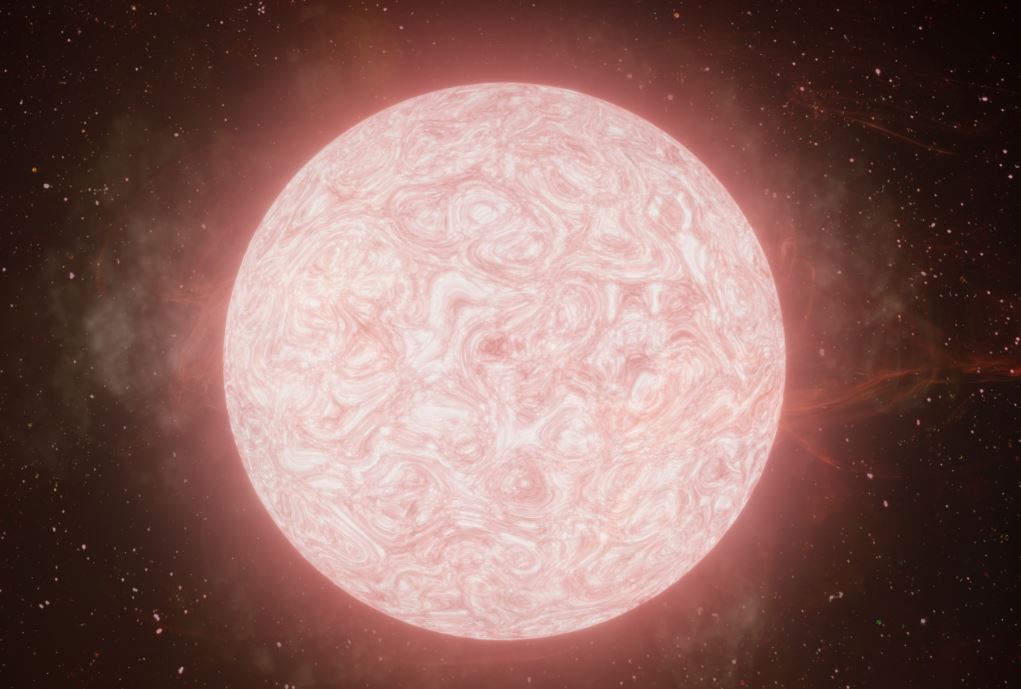
‘For the first time, we watched a red supergiant star explode,’ researcher says. For the first time ever, astronomers have imaged in real time the dramatic end to a red supergiant’s life – watching the massive star’s rapid self-destruction and final death throes before collapsing into a type II supernova.
Led by researchers at Northwestern University and the University of California, Berkeley (UC Berkeley), the team observed the red supergiant during its last 130 days leading up to its deadly detonation.
The discovery defies previous ideas of how red supergiant stars evolve right before exploding. Earlier observations showed that red supergiants were relatively quiescent before their deaths — with no evidence of violent eruptions or luminous emissions...
Read More
January 7, 2022,
Health/Medical, Biology/Biotechnology
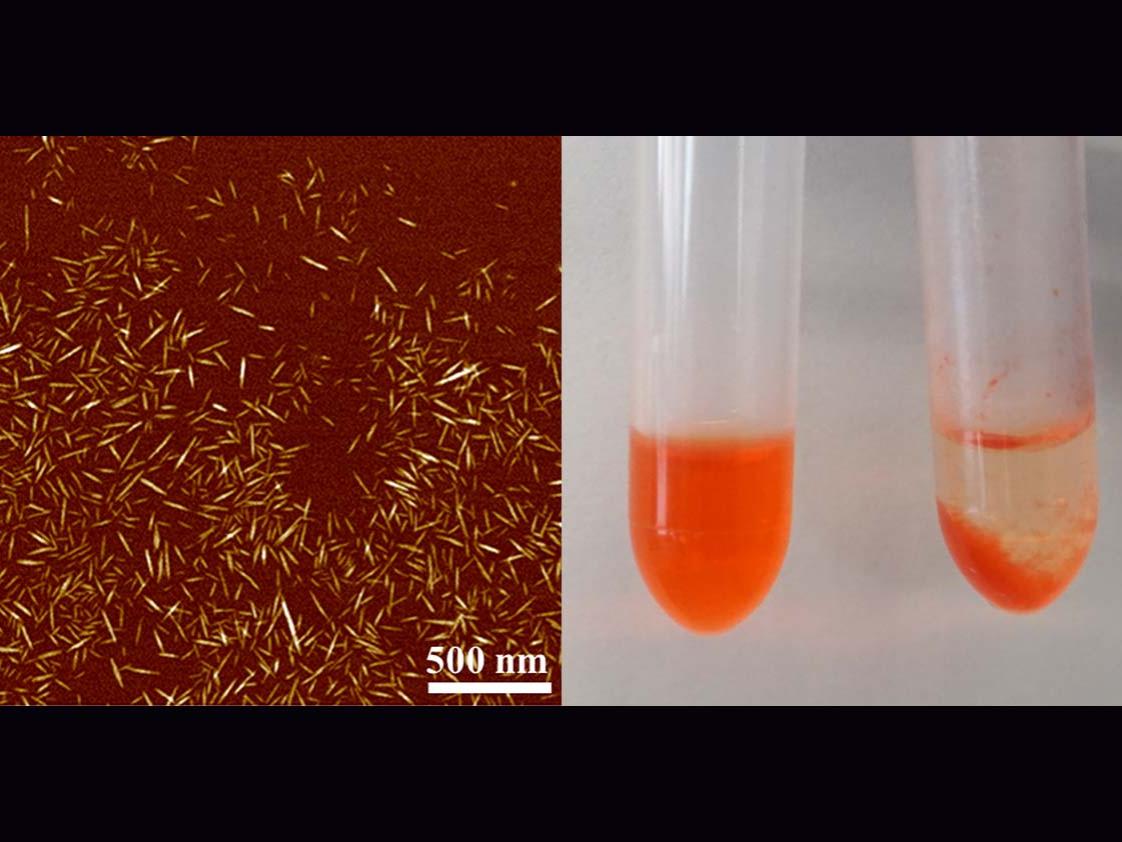
Super-capacity, cellulose-based material may enable high-dose targeted treatments. Standard chemotherapies may efficiently kill cancer cells, but they also pose significant risks to healthy cells, resulting in secondary illness and a diminished quality of life for patients. To prevent the previously unavoidable damage, researchers, led by Penn State, have developed a new class of nanomaterials engineered to capture chemotherapy drugs before they interact with healthy tissue.
“To reduce the off-target effects of cancer drugs during and after localized chemotherapy, eliminating their systemic circulation is necessary,” said principal investigator Amir Sheikhi, assistant professor of chemical engineering and biomedical engineering at Penn State...
Read More
Recent Comments